Krisis: Covid at Kalikasan



Green Convergence For safe food, healthy environment and sustainable economy
Care for humanity begins with care for the earth. Let us all remember and act together.

GC CALENDAR OF EVENTS FOR APRIL 2018 |
|
DATE |
ACTIVITY |
| April 02
|
GC Consultation Meeting
ESI Conference Room 1:00 – 5:00 PM |
| April 06
|
GC Board Meeting
GC Office at Caritas Hall, Rm. 114 1:00 PM |
| April 12 | Tala-Kalikasan: ‘On the Ecological Implications of Charter Change’
Environmental Studies Institute Conference Room, Miriam College, Katipunan Ave, Quezon City 1:00 to 5:00 PM Contact: Paul at 356-2166 / 0922-466 0240 Or email at: secretariat@kalikasan.net |
| April 15 | Earth Day 2018: Forest Festival
Arroceros Forest Park, Intramuros, Manila 7:00 AM onwards Contact: Aina P. Martin at 437-0421 or email: secretariat@earthdayphilippines.org |
| April 17 – 18 | URGENT Strategic Planning (for invited orgs)
Tagaytay Contact: Elizabeth Carranza thisisurgent.actnow@gmail.com |
| April 20 | Kamayan sa Kalikasan Forum
Title: “Golden Rice: Boon or bane to Filipinos? Updates on the Issue” Kamayan EDSA 10:30 AM – 1:30PM |
| April 21 | Eco-Walk
U.P. Diliman Quezon City 6:00 AM – 9:00 AM Assembly place: U.P. Oblation Statue Contact: Kalikasan People’s Network for the Environment c/o Leon (02) 356-2166 or email at: secretariat@kalikasan.net |
| April 22 | 2018 Earth Day Main Celebration
Harbor Square, CCP Complex 6:00 AM onwards Contact: Aina P. Martin at 437-0421 or email: secretariat@earthdayphilippines.org |
| April 25
|
Book Launching of Phil. Native Trees 303
Innovation Center, Miriam College 11:00 – 3:00 PM |
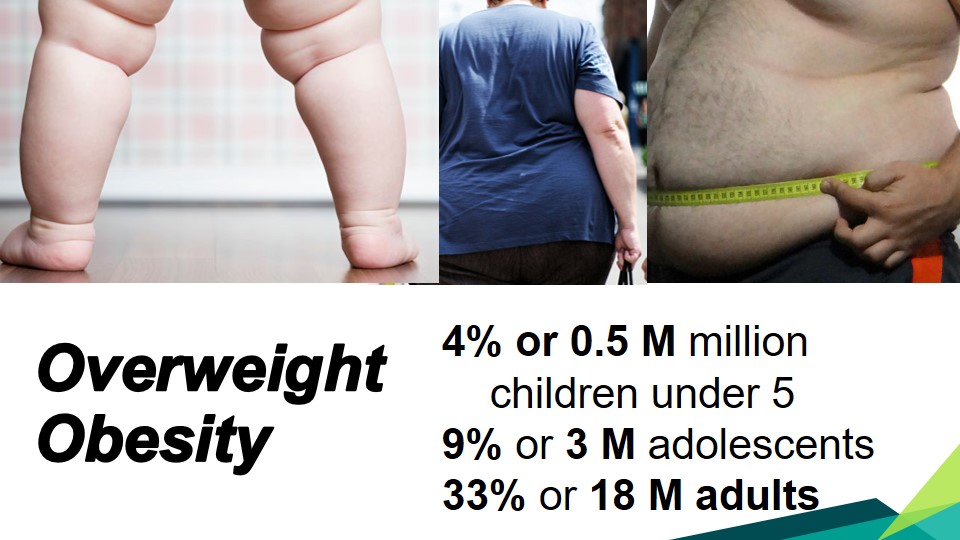
Country’s plan to address malnutrition: Philippine Food and Nutrition Policies and Governance
What are the malnutrition problems being addressed in PPAN?

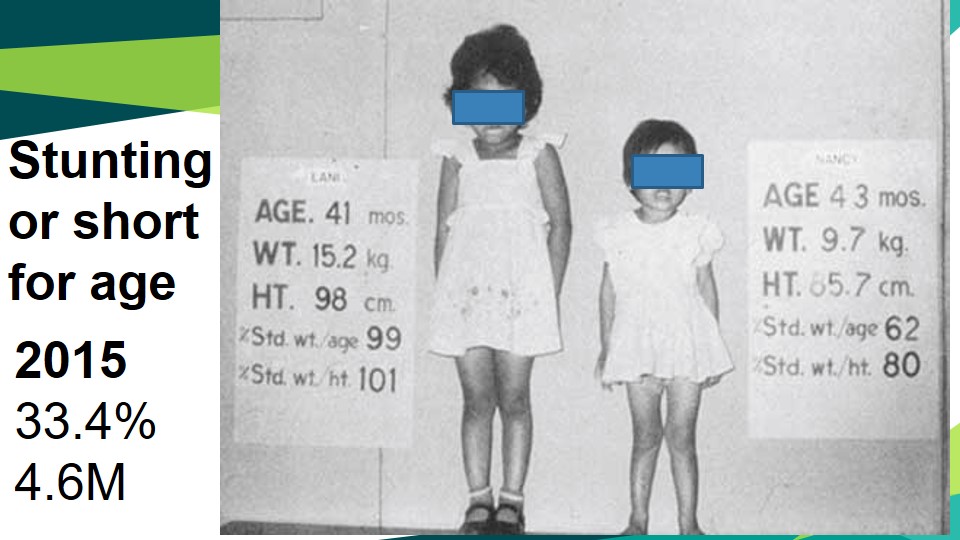
Other forms of Malnutrition:
◆Vitamin A deficiency
◆Iron deficiency anemia
◆Iodine deficiency disorders
◆Hunger and food insecurity
Guiding Principles:
◆Attainment of nutritional well-being is a main responsibility of families but government and other stakeholders have the duty to assist those who are unable to enjoy the right to good nutrition
◆Participation of various stakeholders, including members of the community, in policy and plan formulation, implementation, monitoring and evaluation
◆Efficiency and effectiveness in resource allocation and implementation of programs and projects
◆Gender sensitivity
Adherence to the principles of engagement of the Scaling Up Nutrition Movement as follows:
◆ Transparency about intentions and impact
◆Inclusiveness
◆Being rights based
◆Willingness to negotiate
◆Predictability and mutual accountability
◆Cost-effectiveness
◆Continuous communication
◆Acting with integrity and in an ethical manner
◆Mutual respectfulness
◆Doing no harm
FURTHER DEFINING CERTAIN FUNCTIONS AND POWERS OF THE LAGUNA LAKE DEVELOPMENT AUTHORITYWHEREAS, the land and the waters of the Laguna Lake Region are limited natural resources requiring judicious management for their optimal utilization to insure renewability and to preserve the ecological balance;
WHEREAS, the increasing pressure of urban growth and development dictate the need for a more rational allocation of the limited land and lake resources of the region responsive to the demands of the various beneficial users thereof;
WHEREAS, the competing options for the USC of such resources and conflicting jurisdictions over such IISCS are creating undue contrasts on the constitutional capabilities of LLDA in the light of the limited powers vested in it by its charter:
WHEREAS, for LLDA to effectively perform its role, a thorough corporate reorganization aimed at: regrouping its various units for better administrative control and direction: expansion of its field offices; strengthening of its linkages with other government and private institutions: broadening of its financial base and revenue generations; and enlarging its prerogative of monitoring, licensing and enforcement, would be necessary.
NOW, THEREFORE, I FERDINAND E. MARCOS, President of the
Philippines, by virtue of the powers vested in me by the Constitution and the authority vested in me by the President Decree No. 1416, do hereby order and ordain:
Section 1. Reclassification. Is hereby classified among the industrial area development group (Class A) of corporations under Letter of Implementation No. 97 and for this purpose the Authority is hereby granted authority to modify its organization. Providing for the creation of the position of deputy general manager, upgrading the existing divisions into departments to be headed by directors and regrouping of these departments into offices coordinated by assistant general managers, and creating other offices its Board may deem necessary and appropriate to achieve its objectives and aims.
Section 2. Water Rights. Over Laguna de Bay and Other Bodies of Water within the Lake Region. To effectively regulate and monitor activities in the Laguna de Bay Region, the Authority shall have exclusive jurisdiction to issue permit for the use of all surface water for any projects or activities in or affecting the said region including navigation, construction, and operation of fishpens, fish enclosures, fish corrals and the like.
For the purpose of this Executive Order, the term “Laguna de Bay Region” shall refer to the Provinces of Rizal and Laguna; the cities of San Pablo, Pasay, Caloocan, Quezon, Manila and Tagaytay; the towns of Tanauan. Sto. Tomas and Malvar in Batangas Province, the towns of Silang and Carona in Cavite Province; the town of Lucban in Quezon Province, and the towns of Marikina, Pasig, Taguig, Muntinlupa, and Pateros in Metro Manila.
SECTION 3. Collection of Fees. The Authority is hereby empowered to collect fees for the use of the lake waters and its tributaries for all beneficial purposes including but not limited to fishery, recreation, municipal, industrial, agricultural navigation, irrigation, and waste disposal purpose: Provided, that the rates of the fees to be collected, and the sharing with other government agencies and political subdivisions, if necessary, shall be subject to the approval of the President of the Philippines upon recommendation of the Authority’s Board except fishpen fee which will be shared in the following manner: 20 percent of the fee shall go to the lakeshore local governments, 5 percent shall go to the Project Development Fund which shall be administered by a Council and the remaining 75 percent shall constitute the share of LLDA. However, after the implementation within the three-year period of the Laguna Lake Fishery Zoning and Management Plan, the sharing will modified as follows: 35 percent of the fishpen fee goes to the lakeshore local governments, 5 percent goes to the Project Development Fund and the remaining 60 percent shall be retained by LLDA: Provided, however, that the share of LLDA shall form part of its corporate funds and shall not be remitted to the “National Treasury as an exception to the provisions of Presidential Decree No. 1234.
SECTION 4. Additional Powers and Functions. The Authority shall have the following powers and functions:
a. Issue standards, rules and regulations to govern the approval of plans specification for sewage works and industrial waste disposal systems and the issuance of permits in accordance with the provisions of this Executive Order; inspect the construction and maintenance of sewage works and industrial waste disposal system for compliance to plans.
b. Adopt, prescribe, and promulgate rules and regulations governing the procedures of the Authority with the respect to hearings, plans waste disposal system, filing of reports, the issuance of permits and other rules and regulations for the proper implementation and enforcement of this executive order.
c. Issue orders or decision to compel compliance with the provisions of this Executive Order and its implementing rules and regulations only after proper notice of hearing.
d. Make, alter or modify orders requiring the discontinuance of pollution specifying the conditions and the time within which such discontinuance must be accomplished.
e. Issue, renew, or deny permits, under such conditions as it may determine to be reasonable for the prevention and abatement of pollution, for the discharge of sewage, industrial waste, or for the installation or operation of sewage works and industrial disposal system or parts thereof Provided, however.
f. After due notice and hearing, the Authority may also revoke, suspend or modify any permit issued under this Order whenever the same is necessary to prevent or abate pollution.
g. Deputize in writing or request assistance of appropriate government agencies or instrumentalities for the purpose of enforcing this Executive Order and its implementing rules and regulations and the order and decisions of the Authority
h. Authorize its representative to enter all reasonable times any property of the public dominion and private property devoted to industrial, manufacturing, processing or commercial use without doing damage, for the purpose of inspecting and investigating conditions relating to pollution or possible or imminent pollution.
i. Exercise such powers and performs such other functions as may be necessary to carry out its duties and responsibilities under this Executive Order.
SECTION 5. Board of Directors Composition. The corporate powers shall be vested in an exercised by the Board of Directors, herein after referred to as the Board which shall be composed of ten (10) members: to wit: Representative of the Office of the President: Minister of Economic Planning: Minister of Natural Resources: Minister of Trade and Industry: Representative of Laguna Province who shall be designated by the Provincial Board of Laguna; Representative of Rizal Province who shall be designated by the Provincial Board of Rizal; Representative of the Office of the Governor of the Metro Manila Commission; President of Laguna Lake Federation of Mayors. Inc.; General Manager of the Laguna Lake Development Authority to be appointed by the President of the Philippines; Representative of Private Investors, provided that incumbent representative of the private investors shall continue as members until the President appoints his successor. The Board of Directors shall elect annually from among their members, a Chairman and a Vice-Chairman. There shall be a Corporate Secretary who shall be appointed by the Board with a rank equivalent to a Department Director.
The officials next-in-rank to the above-mentioned members shall serve as permanent alternate members and shall attend meetings of the Board in the absence of their principal and receive the corresponding per diems.
SECTION 6. Capitalization and Financing. The Authority shall have an authorized capital of Seven Hundred Million Pesos (P700,000,000) of which the amount of THREE HUNDRED FIFTY ONE MILLION PESOS
(P351,000,000) shall be subscribed by the national government and THREE HUNDRED FORTY NINE MILLION PESOS (P341,000,000) shall be subscribed by the cities, provinces, municipalities, government corporations and private investors: Provided that at least twenty-five (25%) of the national government’s subscription shall be fully paid: Provided further that the authorized capital stock be Increased upon recommendation of the NEDA
The authorized capital stock of seven Hundred Million Pesos (P700,000,000) shall be divided into Seven Million (P7,000,000) shares of stock with a par value of One Hundred Pesos (P 100) per share.
The shares of stock of the Authority shall be divided into: 1) 4,900,000 common shares (voting) and 2) 2,100,000 preferred shares (non-voting) with such fished rates of 4,900,000 a minimum of 2,800,000 shares shall be subscribed by the national government and at least sixty percent (60%) of the balance shall be subscribed by the Provinces of Laguna and Rizal in such proportion as may be agreed upon by both provincial governments in accordance with their respective financial capacities. The remaining balance of the common shares shall be opened for subscription to cities, provinces, municipalities and private investors.
Of the preferred shares of stock of 2,100,000 a minimum of 770,000 shares shall be subscribed by the national government. The balance of the preferred shares shall be available for subscription to cities, provinces, municipalities, government corporations and private investors. Provided, however, that preferred shares, shall enjoy preference with respect to distribution of dividends and assets in case of dissolution.
SECTION 7. Repealing Clause. All laws, decrees, orders, proclamations, rules, regulations and issuances on parts. Thereof, which are inconsistent with any of the provisions of this Executive Order are hereby repealed or modified accordingly.
SECTION 8. Separabitv Clause. Any portion or provision of this Executive Order that may be declared unconstitutional shall not have the effect of nullifying the other provisions thereof; Provided that such remaining positions can still stand and be given effect on their entirety to accomplish the objectives of this Executive Order.
SECTION 9. Effectivity Clause. This Executive Order shall take effect immediately.
Done in the City of Manila, this 16th day of December in the Year of Our Lord, Nineteen Hundred and Eighty-Three.
(Sgd.) FERDINAND E. MARCOS
President
Republic of the Philippines
By the President:
(Sgd.) JUAN C. TUBIERA
President Executive Assistant
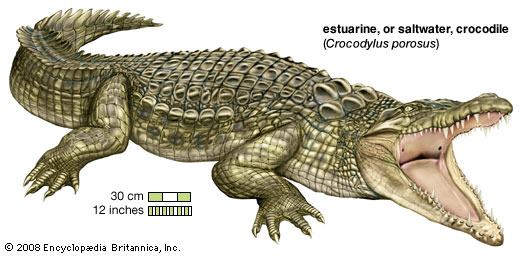
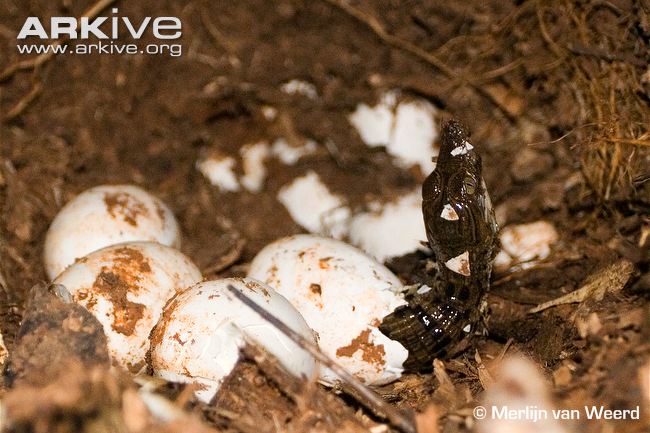
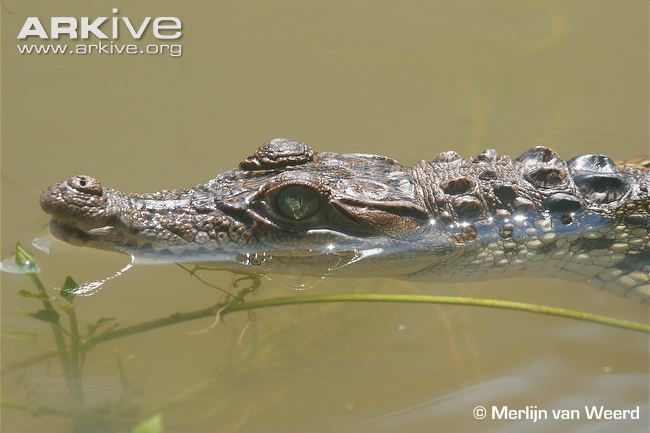
The Philippine crocodile is one of the most endangered freshwater crocodiles. It is small with a relatively broad snout and thick bony plates on its back. Until recently, the Philippine crocodile was considered a subspecies of the very similar New Guinea crocodile (Crocodylus novaguineae).
Philippine crocodiles are thought to feed mainly on fish, invertebrates and small amphibians and reptiles but very little else is known about the natural history or ecology of wild populations. In captivity, females build mound-nests at the end of the dry season from leaf litter and mud, upon which they lay a relatively small clutch of 7 – 14 eggs. Females show parental care of both the eggs and hatchlings.
The massive population decline of the Philippine crocodile was originally caused by excessive over-exploitation for commercial use (2). Today, habitat destruction is the most pressing threat to species survival, with rain forests being cleared throughout the region to make way for rice fields in an effort to cope with the human population explosion (2). Locals in this area are also in contact with the infamous esturine or ‘saltwater’ crocodile (Crocodylus porosus), which is one of the largest reptiles in the world and has a reputation as a man-eater. This factor undoubtedly contributes to local intolerance of any crocodile species, even the small Philippine crocodile, which is often killed when encountered (5). The very word for ‘crocodile’ in the Filipino language is a vile insult.
Next to the Chinese alligator (Alligator sinensis), the Philippine crocodile is considered to be the most endangered crocodilian in the world. Some authorities believe there may be less than 100 individuals left in the wild , although some wild habitat still remains. Urgent research is needed to assess the current status, in order to implement an effective management strategy for this remaining wild population. This species is protected from international trade by its listing on Appendix I of the Convention on International Trade in Endangered Species (CITES), but there is only one officially protected area within the Philippines, and this is poorly enforced. At present, captive breeding takes place in a small programe run by the Silliman University and at the government-run Crocodile Farming Institute, which breeds crocodiles for commercial and conservation reasons. Sadly, there is currently little political will or local tolerance to save this ancient reptile in the wild and for the short term at least, captive breeding programs may be the key to the, at least nominal, survival of this crocodile.



Michelle (not her real name), a third year education student of Universidad de Manila, sees the nearby Arroceros Park as welcome relief amidst the urban jungle that is Manila.
“Our school is right next to busy thoroughfares, so there is considerable noise and air pollution around the area. The trees of the Arroceros Park somehow lessen the harmful effects of this pollution,” she said.
The Arroceros Park is an urban forest in a 2.2 hectare lot tucked between Villegas St. and the Pasig River in Ermita, Manila. Dubbed as the last lungs of Manila, the forest acts also as a carbon sink, a reservoir that retains carbon and prevents it from passing into our atmosphere. In a city almost devoid of greenery and open spaces, it is safe to assume that Manila needs Arroceros Park more than the latter needs it.
Aside from its ecological importance, the park has immense archeological importance. The area was part of the trading quarters of the Chinese before they were eventually relocated in present day Binondo during the Spanish colonial period. As such, archeological artifacts can potentially be found buried underneath the forest. In fact, recent diggings in the neighboring Metropolitan Theater have uncovered Chinese ceramics dating back several hundred years ago.
Through the years, the forest was populated by several varieties of trees and these were nurtured by a private organization called Winner Foundation. The lease details between the group and the city government of Manila is now at the center of a battle that threatens to tear down the Arroceros Park and replace it with a gymnasium.
The details of this battle were the recent topic of the Kamayan para sa Kalikasan Forum, a monthly talk that tackles pressing issues. Now on its 330th edition, the Kamayan Forum has been running for 27 years.
Kamayan is spearheaded by the Green Convergence, a coalition of networks, organizations and individuals working for a development paradigm that addresses the need for social and economic progress while preserving water, air and land for future generations.
Invited panelists included Ms. Angelica Ambal of the Manila Doctors Hospital and Mr. Paulo Burro from the office of the noted environmentalist and Ramon Magsaysay laureate, Atty. Antonio Oposa.
Ms. Ambal shared that the Manila Doctors Hospital and its affiliates are adopting zones in the capital to revitalize them. For them, such initiatives align with their healthcare mission, as green spaces improve psychosocial wellbeing. For one of their partner organizations, the Silungan ng Pag-asa, a shelter for abused children, forest parks provide an opportunity for these children to enjoy the childhood they deserve.
Under the aegis of Atty. Oposa’s office, legal strategies are being worked out to save the Arroceros Park from demolition. But more importantly, they are stressing the importance of talking with the park’s stakeholders, including the city council of the government of Manila, to thresh out differences. According to Mr. Burro, this will complement plans to have the park declared as a protected area.
These multi-sectoral efforts are just a few of the many initiatives to save the Arroceros Park. Various efforts are gaining ground as more and more people realize that the park’s future is also their future. For Michelle, subsequent actions from the city government will reflect how it values its constituent’s welfare.

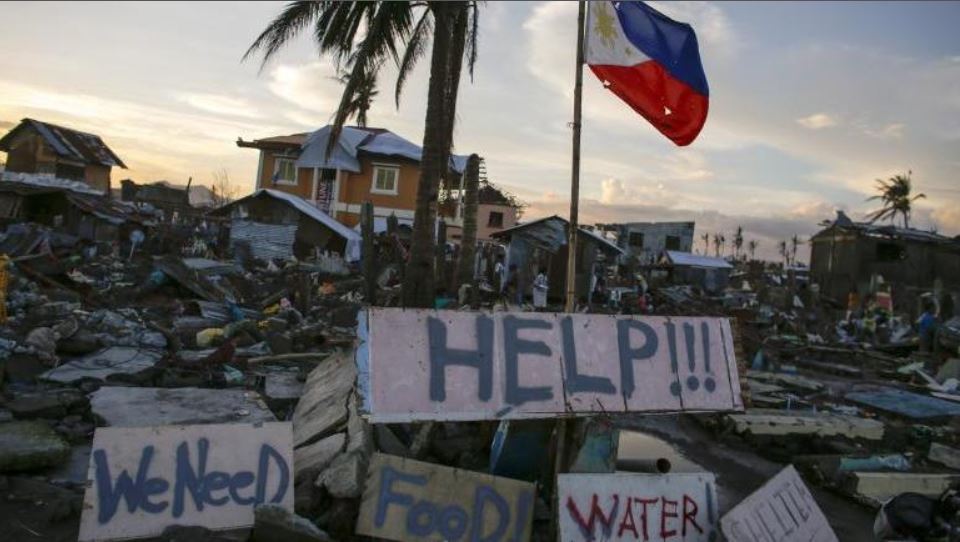
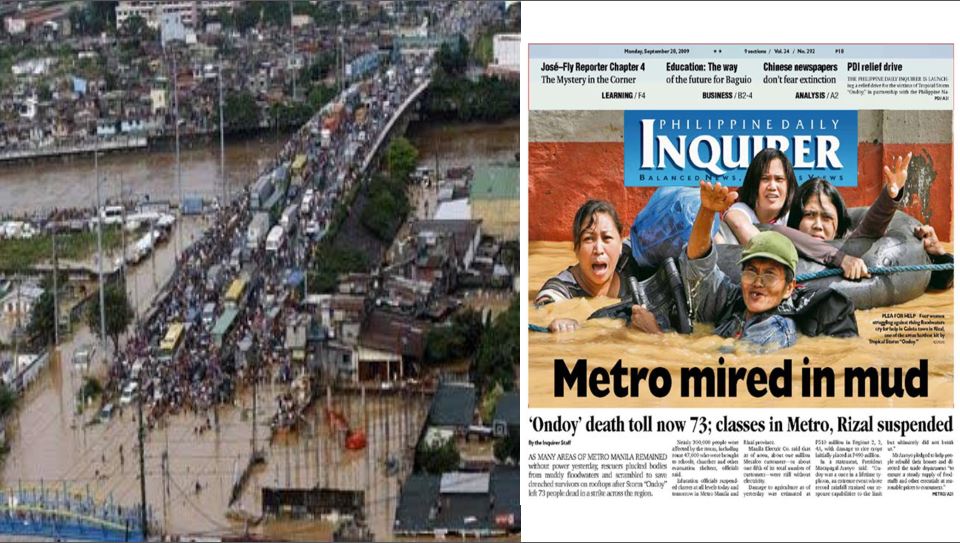
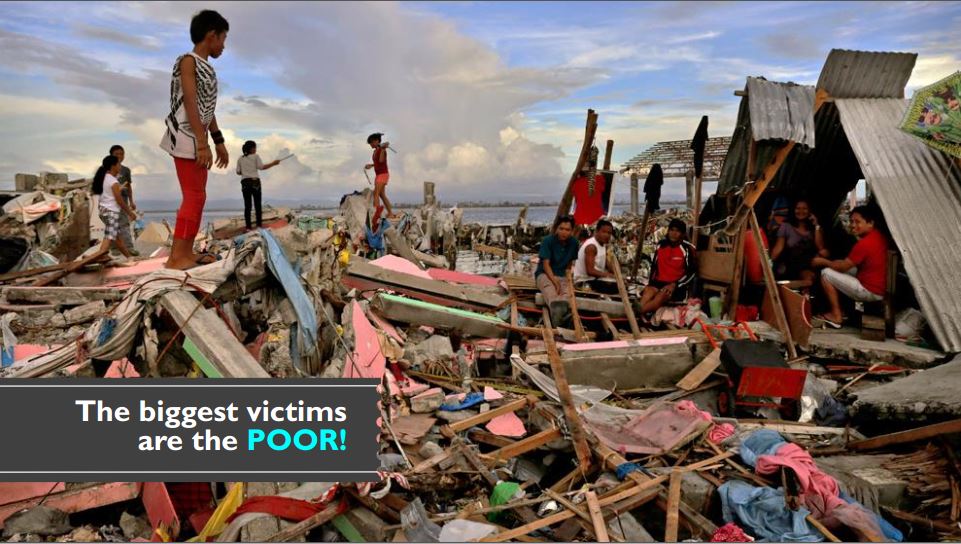
By 2050, warmer waters in the southern Philippines could cause the maximum fish catch to decrease by 50 percent.
Low-lying areas inundation affecting seagrass beds in shallow tidal and sub-tidal marine environment coral bleaching and degeneration.
Sea level in the Philippines is projected to rise two to three times faster than the global average.