

By Tricia Buendia, Haribon Membership, edited by Haribon Membership Visibility Committee via Haribon Foundation
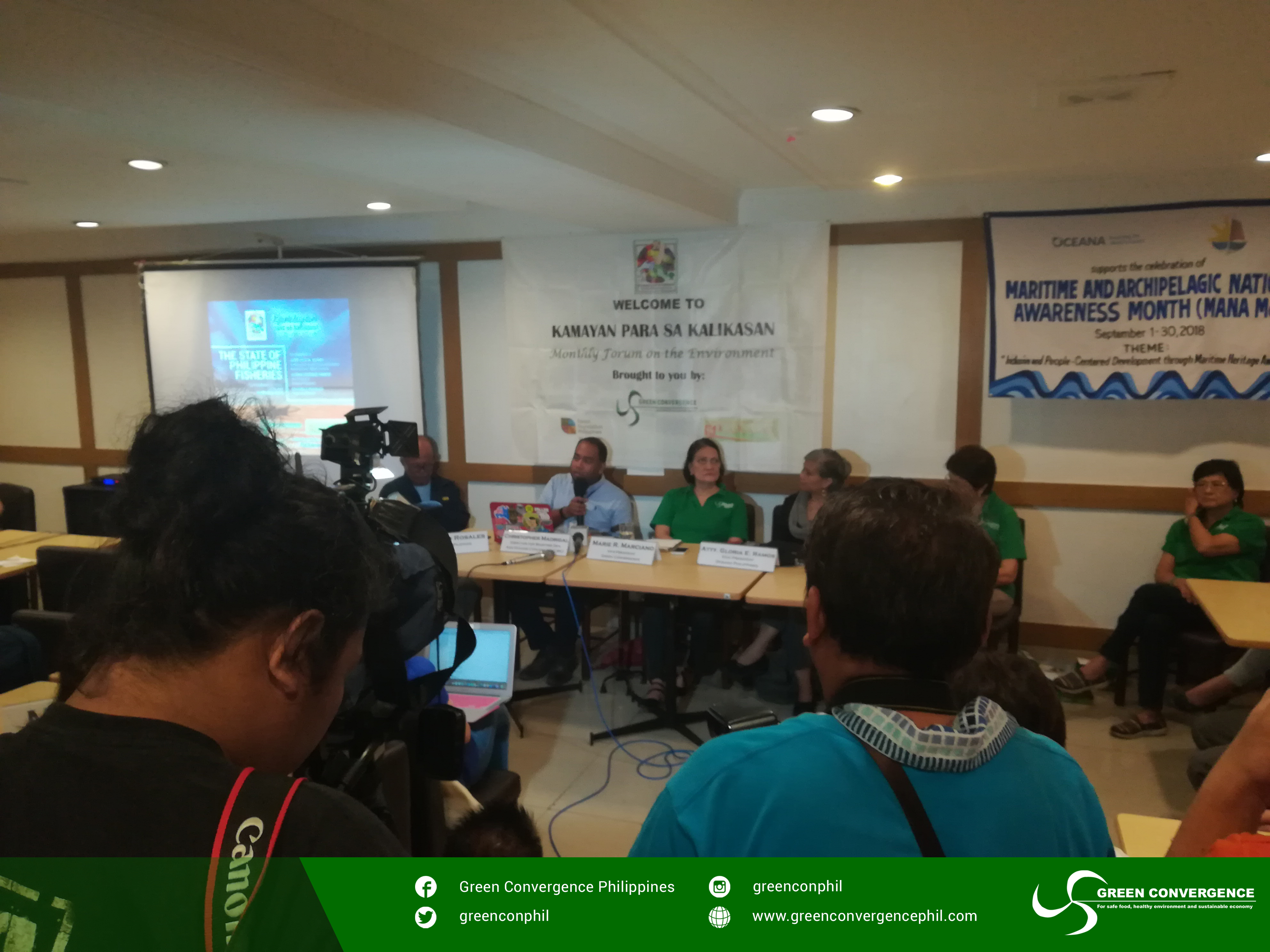
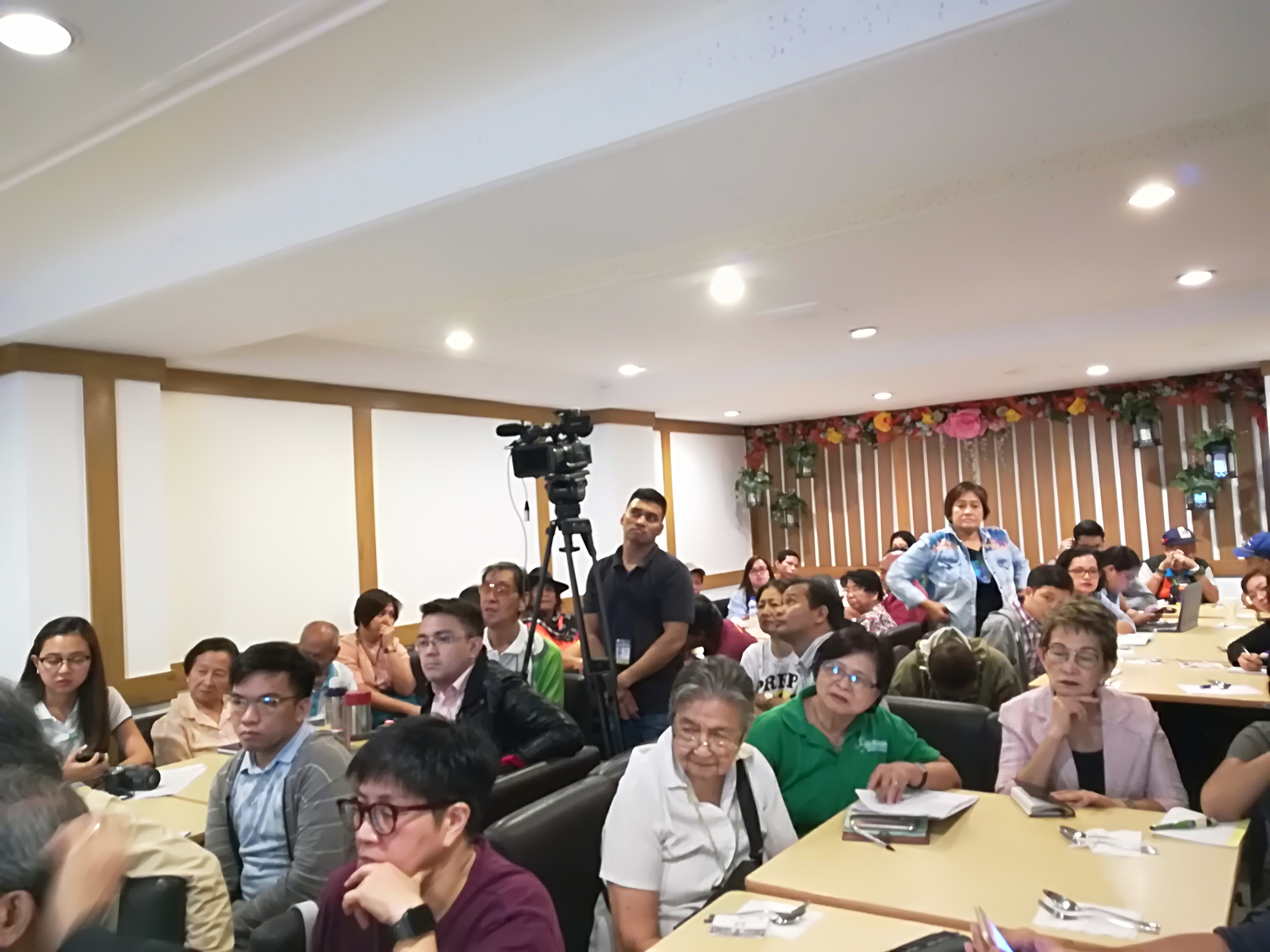
Haribon member Tricia Buendia shares this reflection after attending the Kamayan Forum on Philippine NDCs to reduce global greenhouse gases with Green Convergence last June 2018.
Every year monsters visit and haunt the Philippines. We name each one, anticipating its destruction on the country. Each visiting monster passes through, devouring souls and resources. These monsters are our typhoons.
Typhoons get stronger and leave devastating impacts. Though humanity has leaped forward with many innovations, mother nature continues to be ignored, making life difficult for those impacted by these typhoons.
Humans are changing the world… not necessarily in a good way
The 21st century has brought about new technologies, mobile apps, and smartphones. But it also marks the beginning of increased attention on our environment from climate change to the affects of our plastics.
Half of all the plastics ever made were manufactured in the last 13 years, and almost all of it still exists. They sit in landfills or float in oceans disguised as food for hungry animals, making them sick or killing them. Or just as worse, they become part of our food.
Companies produce tons of products and services yet they still neglect and/or violate policies and laws that protect the environment. This results to toxic gases released in the air, various waste discharged in waterways, balding mountains, and other issues which result in natural and man-made disasters. All of this claiming the lives of people, with a high cost of damages to society every year.
Specific cases worth mentioning are Tropical Storm Ondoy (Int: Ketsana) in 2009 and Super Typhoon Yolanda (Int: Haiyan) in 2013. P4.81 billion pesos (or USD $101 million) and P9.46 billion pesos (or USD 177 million dollars) in damages were made respectively, and it took years to rehabilitate, in some areas they are still recuperating today. With the wrath of mother nature, no one can be safe.
Climate change is not only a problem for the Philippines, it is a worldwide concern. Countries all over the world have gathered and made agreements like the Paris Agreement and Kyoto Protocol to stand together and make firm impacts to lessen the affects of climate change.

What is being done to combat climate change?
Nationally, organizations are coming together in consortiums to work on common advocacies such as climate change or the protection of the environment. One example is URGENT, where members of different sectors have come together to combine efforts to strengthen ecology, promote climate change education, and create public discourse, with the hope that this results in raised awareness in the general public and the lessening of their carbon footprint.
80 percent of the population are Catholic, so there is potential to promote interest in protecting the environment through the Laudato Si’, Pope Francis’ encyclical letter citing the urgent need of improving our lifestyles for the sake of our shared environment. The church can encourage the public to reflect and act with goodwill to help the planet.
On the side of the government, the Climate Change Commission has continuously worked on climate change mitigation and adaptation policies. It is hoped that these policies will also supplement livelihood opportunities through proper management of our natural resources. The commission is also active internationally in summits and thus aligns local policies with agreements and treaties from the United Nations (eg. United Nations Framework Convention on Climate Change). Non-governmental organizations supplement these actions as well through awareness-raising and facilitating the drafting of policies and bills to strengthen environmental laws.
A bill was filed by Senator Loren Legarda proposing the use of reusable bags and the minimal use of single-use plastic bags, and is currently pending. And recently, a bill by Senator Risa Hontiveros was filed proposing the call of eliminating the use of plastic straws and stirrers in establishments.
It is also important to give attention to forestry, which should not just cover tree species but also the ecological services forests provide for flora and fauna, including human beings. Civil society organizations, in partnership with advocates, scholars, and practitioners, make time to research and share studies and statistics to be disseminated to the public. These are the steps needed to educate the public about the environment and climate change.
Our actions, from our government to our everyday lives, can and will add up
With the subsequent calamities seen today, it is evident that the call to protect the environment and lessen climate change impacts are what is needed in order for the nation to progress. There is a call for local and national leaders take a stand and support in passing laws that protect nature.
It is vital for everyone to take part in simple actions like segregating waste, planting trees, and reducing single-use plastic consumption. These “simple acts” have a sizable influence if every individual in the country, or the world, sustains these habits 365 days a year. Think about the amount of waste we will reduce, and the flora and fauna we will save! — You do the math.