The State of Nature Assessment is an annual review of the developments in the Philippine environmental scene. Also known as the Green SONA (GSONA), it is organized by Green Convergence for Safe Food, Healthy Environment, and Sustainable Economy, or simply Green Convergence (GC). The holding of GSONA started in 2006, and was held for the first few years at Miriam College’s Environmental Studies Institute. Later, the Board of Trustees of GC decided to hold it alternately in the country’s main islands of Luzon, Visayas, and Mindanao. Its goal is to gather information, analyze the various compounding factors that contribute to the environmental problems, increase awareness of these issues, and surface solutions that are holistic and ecologically sound. GSONA has become a well-sought event for environmentalists from the academe, civil society, people’s organizations, and the private sector for its in-depth and comprehensive discourses on the causes, effects, and solutions to the pressing environmental issues.
GSONA 2025 was held in Baybay City, Leyte, with the theme “Ecosystems Integrity: A Must for Philippine Sustainability.” The event was made possible through the support of the First Philippine Holdings (FPH), Forest Foundation Philippines (FFP), Foundation for the Philippine Environment (FPE), Lasallian Institute for the Environment, and the Office of Congressman Carl Nicolas Cari of Leyte’s 5th District. It was held from September 3 to 4, at the RDE Hall of the Visayas State University (VSU).
Ms. Graciela Castillo, Assistant Corporate Secretary of Green Convergence, and Mr. Victor Neri, Information Officer of Visayas State University served as Masters of Ceremonies for the two-day event.
OPENING CEREMONIES
GSONA 2025 opened with a prayer led by the VSU Choral, who also sang the Philippine National Anthem, “Sama-Sama” and “Piliin mo ang Pilipinas”.
Engr. Gretel A. Cabrito, City Environment and Natural Resources Officer (CENRO) of Baybay City, welcomed the participants on behalf of Baybay City Mayor Jose Carlos Cari. He shared the ordinances and actions adopted by the City to preserve its environment, and expressed his hope that the event will spark action towards a greener and healthier environment.
Dr. Moises Neil V. Seriño, VSU Vice President for Administration and Finance, welcomed the participants on behalf of Dr. Prose Ivy Guasa Yepes. He shared VSU’s vision to become a global green university and the various steps VSU has taken to reduce its greenhouse gas emissions, including the implementation of car- and motorless day. He encouraged the participants to make the gathering a space for meaningful dialogue, collaborative action, and renewed commitment to safeguarding the environment.
Prof. Victoria M. Segovia, President of Green Convergence, also welcomed the participants. She gave a brief background on GC and the GSONA, highlighting its achievements in empowering people to resolve environmental problems, and remembering the GC Trustees who have passed on to eternal life. She then gave the rationale for the year’s theme, and walked the participants through the activities of the two-day event. Reminding everyone that this year’s GSONA is celebrating the Season of Creation (September 1 to October 4). She prayed that the participants would be inspired to take concrete actions and become catalysts for change within their communities.
DISCUSSION ON REGIONAL ISSUES
Atty.–Forester Dario Suarez, DENR Region VIII Asst. The Regional Director for Management Services gave an overview of the current environmental status of the region. He said that the region is affected by rain-induced landslides and flooding; threatened by illegal logging, fuelwood collection, slash and burn farming, and wildlife hunting; mineral mining; and poor land use practices. It is also plagued by improper waste disposal that pollutes both land and water. Air pollution is now experienced in the growing cities of Tacloban, Ormoc, Baybay, Maasin, and Calbayog. The region is much affected by climate change that brings about droughts and typhoons. He discussed the seven strategic thrusts of DENR which are (1) to adopt a climate-risk lens in national planning and policy; (2) increase forest covers; (3) conserve protected areas and biodiversity resources; (4) imrprove air and water quality, and waste management; (5) ensure water security and resilience in high-water stressed areas; (6) sustainably and responsibly manage mineral resources; and (7) promote effective land management and governance.
Ms. Carmi C. Garado-Macapagao, President of Homonhon Environmental Advocates and Rights Defenders (HEARD), said that Homonhon Island is ravaged by mineral mining. Used to be rich in biodiversity with clean potable waters, the island is now suffering from massive pollution. The quality of air, land, and water have greatly deteriorated as 83% of the island has been declared as mining sites. With no declared watershed area for Homonhon, the DENR approved mining activities above the community’s water source. The community has to buy mineral water at PhP80/gallon from mainland Guiuan due to the absence of potable water in the area. The sources of livelihood (e.g. calamansi farms, fishing, farming) were affected. Mining did not bring about progress in its 41 years of existence as the LGU received its share of excised tax only last year. She shared several intervention projects in the area and gave a list of recommendations on how to deal with mining projects.
Ms. Victoriana Entero, President of Naungan-San Juan Mangrove Planters Association, shared how her association maintains a well-governed organization and how it was able to obtain accreditation from the Naungan-San Juan LGU. NSJMPA has conducted an information-education campaign and adopted a benefit-sharing scheme for its members. While focused on mangrove planting, it diversified to bamboo plantation, seedling production, and mud crab fattening with the help of DENR and other institutions. It was able to rehabilitate at least 20 hectares of mangroves after Typhoon Yolanda hit in 2013 through the support of international agencies like Oxfam. NSJMPA is now into the co-management of mangrove forests with the Ormoc Philippine Coast Guard.
UPCYCLING TO ADDRESS SWM ISSUES
The Executive Vice President of Alpha Distinct Development Solutions Inc. (ADDSI), Ms. Michelle Bautista-Tañada said that upcycling provides opportunities that uplift and support underprivileged and marginalized communities, while helping LGUs address their solid waste management problems. Ms. Tañada estimated Region 8 plastic waste at 92 tons/day. According to her, upcycling through the use of ADDSI technology can transform these into useful, marketable products, thereby creating income opportunities while reducing pollution. She discussed the steps in building a plastic waste infrastructure in communities – (1) install proper collection bins in strategic areas; (2) use upcycling machines and proven recycling technology; (3) partner with experts in product design and marketing; and (4) engage communities in segregation and collection. Among the ADDSI upcycled products are benches, slides, signage, tables, retractable tents, tiles, bags, jewelry, and decor. ADDSI has a pilot project in the City of Mati (Davao Oriental) aptly called “Gawaing Matino at Wasto”. The City now has bin-bikes that integrate sustainable designs such as solar-powered lights and an umbrella. It trained the community in basic waste management, engaged the youth on circular solutions, supported clean-up drives, held interactive activities for children to raise environmental awareness early, and donated upcycled coolers, trash bins, and convertible tables.
PANEL DISCUSSION ON NATIONAL SITUATION
Mr. Daniel Arias, the Alyansa Tigil Mina’s Campaign Officer for Visayas, said that under the current administration of President Ferdinand R. Marcos, Jr, mining has been revitalized. The passing of Executive Order No. 18 opened green lanes for strategic investments, including mining and renewable energy projects. The permitting process and digitalization have been fast-tracked to two years. The SB 2826 and HB 8937 created an Enhanced Mining fiscal regime, which returned the Philippines to the Extractive Industries Transparency Initiative mode. As of 30 June 2025, 709 mining contracts and permits were approved, 49 of which are in Region 8. The Philippine Government considers the mining industry as a pillar for inclusive and resilient growth, as there is now an urgent demand for critical minerals (e.g., nickel, chromite, copper) as the world transitions to clean energy. Yet, studies have shown that the mining industry’s contribution to the country’s GDP is less than 1%; it destroys 18% to 20% of the economy coming from agriculture, forestry, water resources, and fisheries; it contributes less than 0.5% to total employment; and there are uncollected taxes from mining companies amounting to at least PhP 1 Billion.
Dr. Renezita Sales-Come , VSU Dean of the Faculty of Forestry and Environmental Science, gave a brief update on the status of Philippine forests and reforestation, with a focus on rainforestation as a strategy. According to her, as of 2021, there are 7.22 M hectares of forests covering 24% of the country’s land area, less than 1% of which is primary. The target of 28.5% by 2030 has been achieved through the various strategies, including the National Greening Program (2011-2016) and the Enhanced NGP (2016-2018), and the Community-Based Forest Management Program. She shared that rainforestation has been adopted as a reforestation strategy by the DENR in 2004 (Memorandum Circular 2004-06), as it recognized the importance of planting native trees. She said that rainforestation is a banner program of VSU, with its former President, Dr. Paciencia Milan’s as the pioneer. VSU has an ongoing E-GNP, which will end in 2028. Through the project, two million hectares have been planted with 1.7 billion seedlings from 2011 to 2020. It targets to cover 7.1 million hectares of unproductive, denuded, and degraded forestlands nationwide. Rainforestation is now implemented nationwide by farmers, communities, academe, and LGUs.
Roberto “Ka Dodoy” Ballon, a Trustee of Foundation for the Philippine Environment, shared the story of his barangay’s coastal ecosystem management efforts. Located in the Municipality of Kabasalan (Province of Zamboanga Sibugay), shared that his barangay experienced poor fish catch after the mangrove forest was transformed into fishponds. The connection of mangroves to fish catch was realized by the community, who then initiated mangrove planting activities. Without external funding, the people’s initiative restored the forest, which then slowly increased marine productivity. With the support of the Foundation for the Philippine Environment (FPE), the 50 hectares of forest expanded to 7,000 hectares. Fishing time was reduced from eight to three hours, with a catch of at least 15 kilos per trip. The community also started culturing lapu-lapu and talaba, which further increased the people’s income. This has resulted in increased consumption and increased volume of waste, which necessitated urgent intervention. A reward system was adopted together with an intensive information-education drive targeting the youth. This transformed the mindset and behavior of the people, so that until now, despite the absence of a quarterly raffle, the community has remained clean with a well-managed solid waste system.
EXPERIENCE IN ADDRESSING CLIMATE CHANGE
Ms. Ingrid Macabare, Environmental Specialist II and Officer-In-Charge of the Environment and Natural Resources Office of the City Government of Ormoc, shared the City’s experience in addressing climate change. Quite vulnerable to disasters, the LGU sought technical and financial support from national and international agencies. Through DENR’s Project TRANSFORM (Transdisciplinary Approach for Resilience and Environmental Sustainability through Multistakeholder Engagement), the LGU was able to carry out trainings/programs on biodiversity profiling, greenhouse gas inventory, financial literacy, disaster risk management, and nature-based solutions. In conjunction with this, the City initiated and has been actively implementing several adaptation and mitigation initiatives under the Environment and Natural Resources Office. The four ENRO Sections focused on the management of (1) solid waste; (2) watershed and wildlife; (3) pollution control; and (4) mineral and land. These enabled the City to have a robust garbage management system with 100% collection; institutionalize a Trash Trap Program that prevents garbage from reaching Ormoc Bay; prohibit the sale and distribution of single-use plastics; hold regular clean-up drives; suspend gravel quarrying; and closely monitor mining activities. Its information-education campaigns enhanced public engagement and understanding, which led to better community response and resilience. Overall, the City has shifted from a Materials Recovery Facility to a Materials Recovery System. This shift will be further enhanced by the City’s recently developed Circular Economy Portfolio.
HIGHLIGHTS OF THE OPEN FORUM
The forum was well-participated with concerns raised on the effectiveness of the incentive-based system to improve waste management, temperature tolerance of native trees, the possibility of an endemic species becoming invasive when transferred to another region, and the effect of wounding on trees.
The incentive-based system in Zamboanga Sibugan was effective as it was carried out with a massive information-education campaign, targeting the youth. Parish Priests were also involved as they incorporate the value of stewardship in their homilies.
There is no study yet on the temperature tolerance of native trees as this entails the use of sophisticated equipment. However, with funding from the National Research Council of the Philippines, reliable data sets to determine the native trees’ response to temperature changes may be obtained in due time.
One region’s endemic species have not been reported to have become invasive after translocation in another region of the country. However, the endemic species’ growth and developmental requirements may affect its survival when transplanted to another region.
Nailing of signage on trees may or may not affect the trees. It really depends on the thickness of the bark and the state of the tree. If the nail does not reach the vascular tissues, the wound will have no effect. If the tree is “ringed” to remove the vascular tissues, the tree will slowly die.
Removing the nails is advisable to prevent accidents, e.g., the nail injuring people who accidentally bump into it
GREEN SONA 2024 RESOLUTIONS
The Green SONA 2024 resolutions were presented by Dr. Cecilia Gascon, President of the Philippine Network of Educators for the Environment and a Trustee of Green Convergence. It was amended and approved by the participants. It declared the GSONA participants’ collective commitment to protect, conserve, and restore the ecosystems of Region VIII and the entire Philippines. Guided by ecological principles, they pledged to transform our way of life—consumption, governance, and development—toward a sustainable and resilient future. The group affirmed and committed to 24 concrete and data-driven actions. It was resolved further that the Resolution be forwarded to the DENR, LGUs, Academic Institutions, Department of Education, Commission on Higher Education, and Civil Society Organizations for adoption and action.
Day two started with an opening prayer and a recap of day one by the emcees, Ms. Graciela Castillo and Mr. Victor Neri.
The first part of the day two program was the workshop on Ako Ang Bukas (AAB): “Quantum Leap Now to Climate Neutrality 2050,” a whole-of-nation advocacy program by Green Convergence that enjoins all sectors to measure their carbon footprint, reduce their emissions, and increase sinks to mitigate climate change.
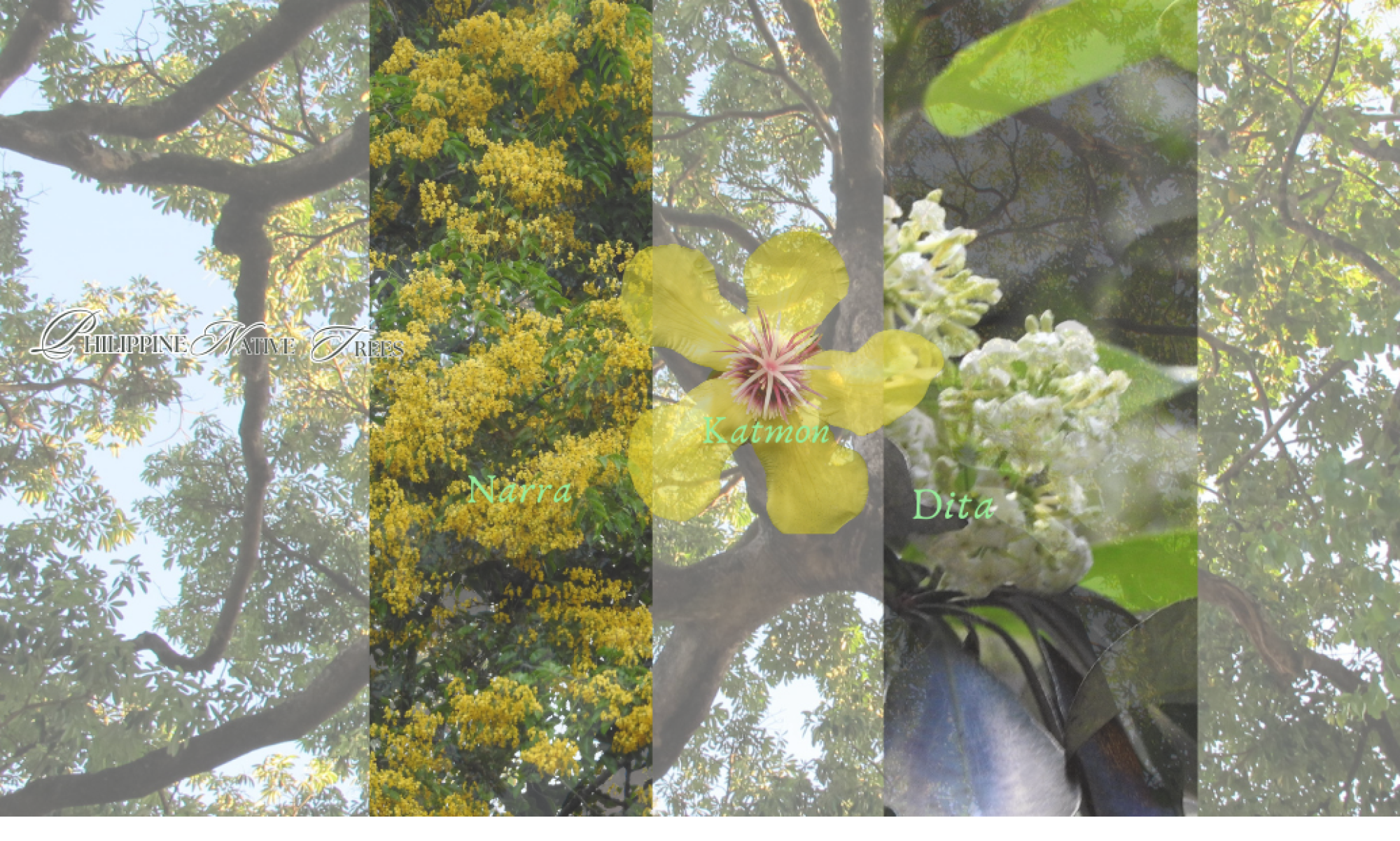
After the AAB workshop, lunch break, and awarding of plaques to sponsors and partners, the program continued with an orientation on Philippine Native Trees (PNT). Green Convergence’s PNT program is a book project that documents indigenous trees through technical descriptions and personal anecdotes, with its first three volumes featuring over 370 native trees and 10 palms in total. It also includes PNT Books for children, designed to nurture awareness and appreciation among the youth for the country’s native trees.
WORKSHOP ON AKO ANG BUKAS (AAB)
Dr. Angelina P. Galang, Program Director of the AAB Program and Founding Trustee of Green Convergence, opened the workshop with her talk, “Climate Change, the Ecological Paradigm, and the Seven Environmental Principles,” which she described as having a global scope following the previous day’s regional and national discussions. She emphasized the need for an ecological paradigm, a mindset that respects and listens to nature, and continued on to enumerate the seven environmental principles or EPs. There are (1) nature knows best, (2) all forms of life are important, (3) everything is connected to everything else, (4) everything changes, (5) ours is a finite earth, (6) everything must go somewhere, and (7) nature is beautiful and we are the stewards of God’s creation. Except for EPs 4 and 7, these principles were adopted from American biologist Barry Commoner. Using an anecdote about her “kasambahay” who unknowingly overconsumed water and energy while complaining about the heat, Dr. Galang illustrated how everyday actions contribute to climate change. She traced humanity’s evolution from hunting and gathering to modern industrialization, showing how each stage deepened environmental degradation and contributed to issues such as plastic pollution, biodiversity loss, reclamation, and consumerism. Through audience participation, she linked these problems to the environmental principles, emphasizing that human-induced changes are rapid compared to nature’s slow and small shifts. She concluded by reminding participants that while human progress is irreversible, sustainability requires mindfulness and harmony with nature to achieve the global goal of climate neutrality by 2050.
Agnes de Jesus, Chief Sustainability Officer of First Philippine Holdings and Business Task Force Head of the AAB program, delved deeper into climate change and the importance of using tools such as carbon footprint calculators as the first step toward climate action. She described climate change as a long-term, human-induced shift in weather patterns caused by GHG emissions from industries and daily activities, noting that the Philippines’ main emission sources are energy, agriculture, waste, and industry. De Jesus highlighted the urgency of meeting the Paris Agreement’s goal of limiting global warming to 1.5°C amid rising national temperatures that have reached up to 57°C in recent years, stressing that the country only has five to six years left before reaching its carbon budget limit. She explained that while the Philippines has yet to set a net-zero target, new goals will be discussed in COP 30, and government policies, including SEC requirements on carbon emissions reporting, are already pushing companies to act. Introducing the AAB GHG calculator, she explained how it localizes emission tracking across various sectors and guides users through identifying emission sources (Scopes 1–3), setting boundaries, and estimating outputs. She shared case studies from government, corporate, and community-level trainings, showing how the tool can lead to effective interventions. Concluding her talk, De Jesus emphasized the global decarbonization goal of a 45% emission reduction by 2030 and net zero by 2050, discussed the mitigation hierarchy (avoid, minimize, reduce, remove, and offset) and ended with the AAB call for a “quantum leap to climate neutrality 2050” by singer-songwriter Joey Ayala.
Prof. Milagros “Miles” S. Serrana, Program Leader of the AAB Program, facilitated the workshop on the AAB greenhouse gas (GHG) emissions calculators, building on the concepts discussed by Dr. Galang and Agnes de Jesus. She guided participants through the AAB household GHG calculator web app, explaining how to set proper boundaries, input accurate activity data, and interpret results. Participants then used the web app to compute their own carbon footprints in a “mini game,” where a VSU Economics student won for having the lowest footprint at 61 kgCO₂e. Prof. Serrana next demonstrated the AAB entity-level GHG calculator using sample university data, clarifying how to categorize emissions under Scopes 1, 2, and 3. She reminded participants to acknowledge AAB when using the entity-level calculator for their own institutions or organizations.
ORIENTATION ON THE PHILIPPINE NATIVE TREES
Imelda “Ime” Sarmiento, Program Chair of Philippine Native Trees Program, presented “3,600 Philippine Native Trees: Our Natural Heritage,” emphasizing that heritage includes what we inherit, value, and preserve for future generations—particularly our natural heritage of native trees. She highlighted the Philippines’ extraordinary biodiversity, with 3,600 native tree species (67% endemic), surpassing the combined numbers of the UK, USA, and Canada. Sarmiento explained the vital ecological roles of trees and underscored the importance of planting native species, warning that introducing alien trees can harm ecosystems. She shared inspiring stories, such as a “Dita” tree that saved families during Typhoon Ondoy, and debunked misconceptions about “native” species, revealing that many familiar trees and even the national flower, Sampaguita, are non-native. Advocating for decolonizing the nation’s appreciation of local flora, she encouraged the creation of Gardens and Living Museums of Native Trees. Finally, she invited everyone to support native tree planting, share personal stories through Green Convergence’s Philippine Native Trees books, and continue its legacy, and ultimately, value God’s creations as part of preserving our natural heritage.
Jayson Mansibang, Biologist from the University of the Philippines – Diliman and the Jose Vera Santos Memorial Herbarium, discussed “Lost Species: A Conservation and Research Priority in the Philippine Botany.” He began with the “lost spoon” story—symbolizing the legacy of Filipino botanists like Dr. Benito Tan and Mr. Leonard Co—and connected it to the loss of the Bureau of Science Herbarium during World War II, which destroyed invaluable plant specimens and records. Mansibang explained that “lost species” are taxa not documented for a long time, creating a paradox in rediscovery and conservation, similar to Schrödinger’s cat. He also described the Wallacean shortfall, which is defined as gaps in data on species distribution, and stressed the urgent need for taxonomic research, recollection fieldwork, and collaboration with local scientists to recover missing information. He emphasized that taxonomy is the foundation of all biological sciences, and without proper naming, forestry and ecology lose accuracy. Mansibang highlighted rediscovery success stories and challenged participants to locate long-lost Philippine trees such as Syzygium leytense, Wenzelia brevipes, and Heptapleurum leytense. He concluded with key reminders such that every species matters, citizen scientists play a vital role in rediscovery, and lost species present valuable research and conservation opportunities.
TREE PLANTING ACTIVITY
Green SONA 2025 culminated with a tree planting activity. It was led by Dr. Renezita S. Come, the Dean of the Forestry and Environmental Science of the Visayas State University, along with the VSU forestry students. One hundred Philippine native trees were planted in an adjacent community of the University by the event organizers and participants. Native tree planting is a key component of Green SONA and is meant to offset the carbon emissions released because of the event, i.e., greenhouse gases from the organizer and participants’ travel to and from the venue, waste produced, and electricity consumed, among others.