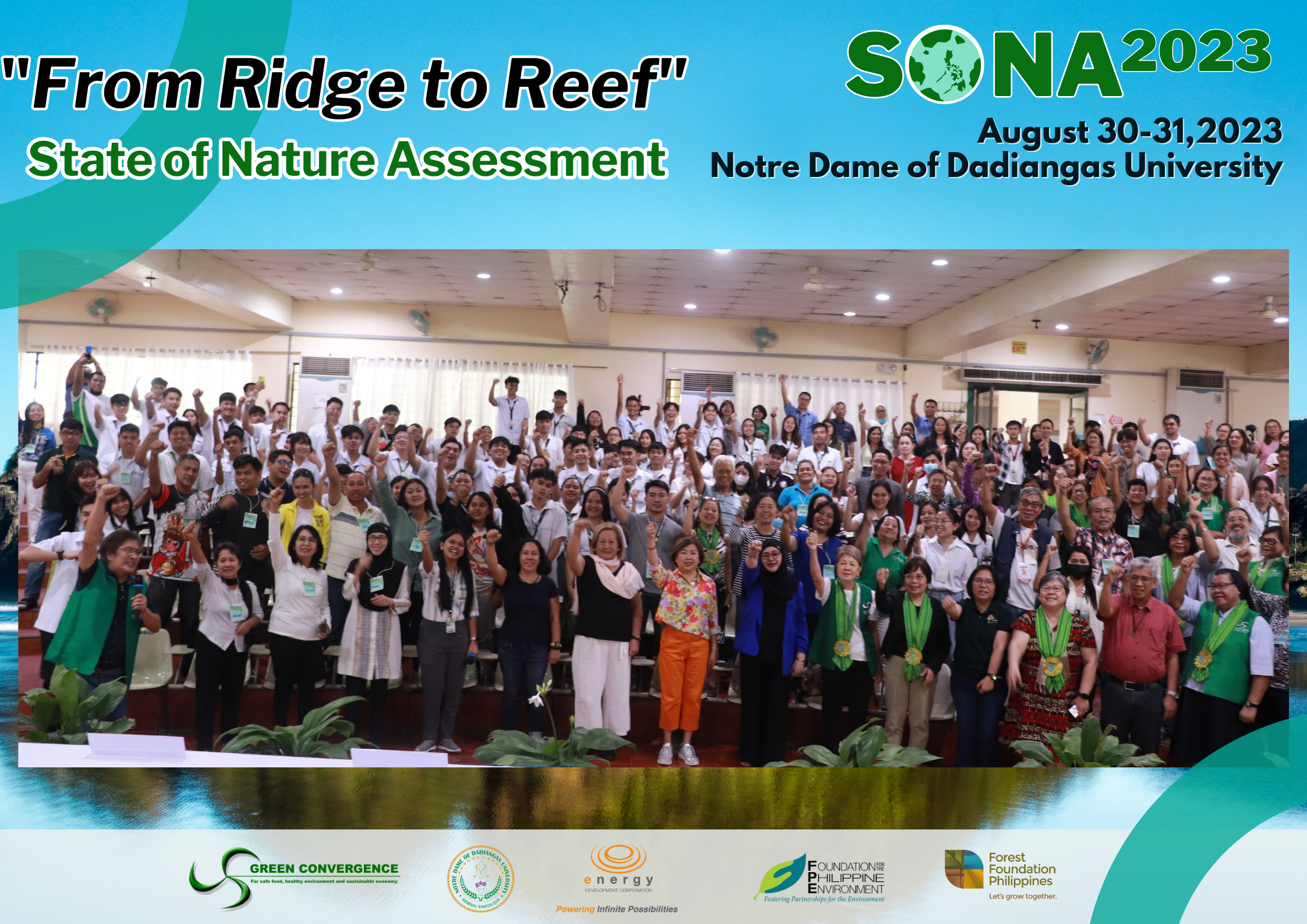
“From Ridge to Reef” State of Nature Assessment (SONA) 2023

SONA 2023 will be a 1 1/2-day affair in General Santos City in Mindanao.  Our main partner will be Notre Dame of Dadiangas in General Santos City.  Our target audience will be students but other sectors – government, business, Church, NGOs, will be invited too.  Around 200-300 participants make up our SONA audience.  Funds will be raised from funding agencies as well as from sponsors and advertisers.

The major environmental issues identified to be tackled are those related to mining, Sarangani Bay, watersheds, and landfills.

With the pandemic over, the government is looking to mining as a main driver of the economy; sadly, Congress has not passed the bills which would have reformed the mining industry to be more advantageous to the nation.  Mining in Tampakan will be a main target because it is one of the biggest gold-copper mine in the world and the Sangguniang Panlalawigan of South Cotabato had reversed the past moratorium on open pit mining.

Sarangani Bay is another main concern as its biodiversity is threatened by pollution.  Watersheds in the area are denuded threatening water supply and other life-support systems. These seascape and landscape issues are common throughout the Philippines since our country is islandic and mountainous. What are the regional and national situation?

Landfills are seen as the panacea to solve solid waste pollution.  Unfortunately, the concept has been misunderstood and implementation of the Solid Waste Management Act leaves much to be desired.  SONA 2023 will examine the local and national scene.

Discussions on these issues will be on Day 1.

Day 2 will be devoted to strategies to address environmental issues in general and climate change specifically.  It will start with an interactive session with the youth followed by presentations on Renewable Energy adaptation with focus on the Mt. Apo geothermal power plant, the Laudato Si program for schools and Ako ang Bukas, a whole-of-nation approach to address climate change.
Official SONA 2023 Proceeding

Presentations

Resolutions

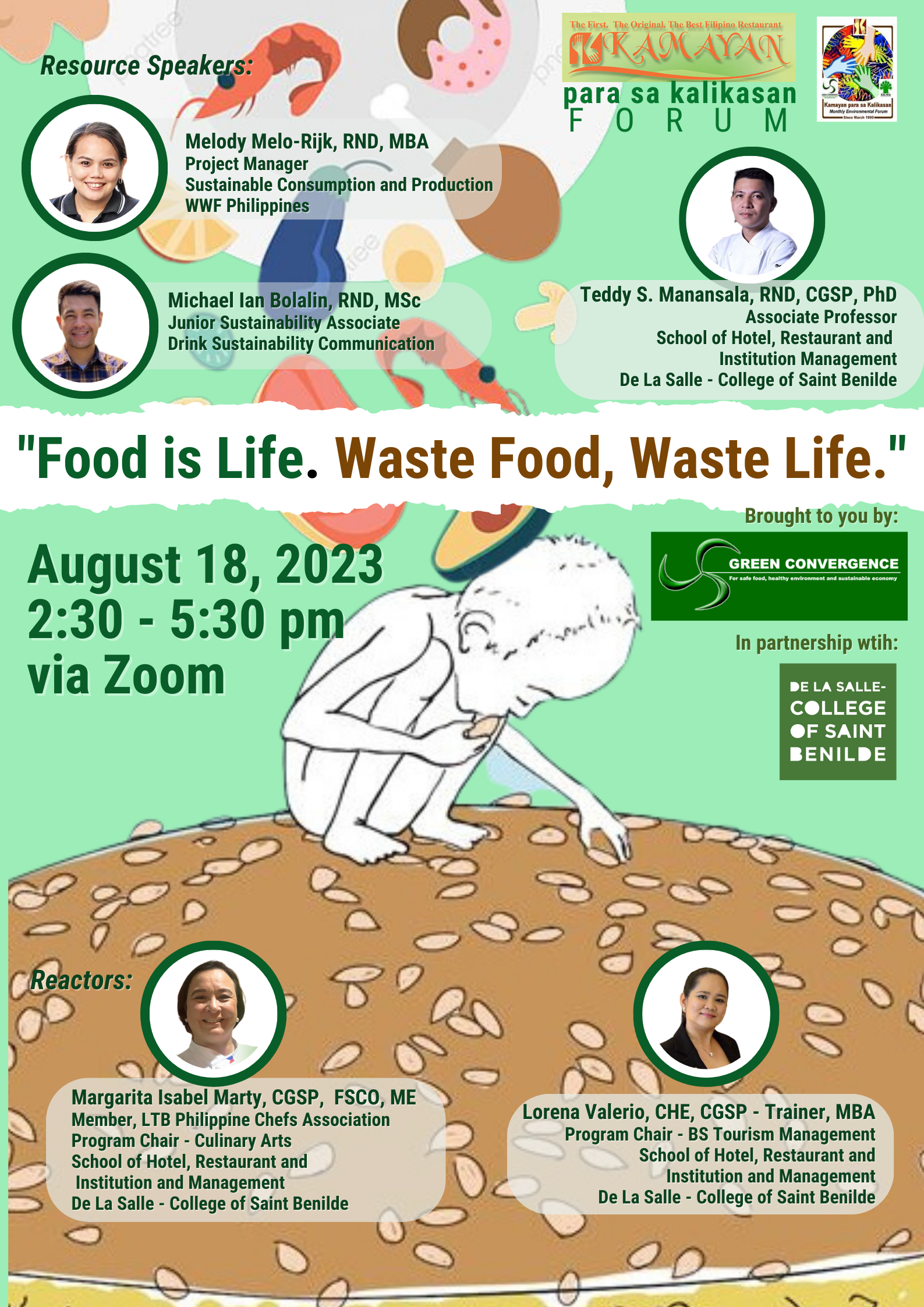
Food is Life. Waste Food, Waste Life.

Hunger stalks millions of people in the Philippines. Hunger leads to poverty and sickness and for many, the loss of life. Against this sad backdrop, Kamayan will present food wastage in the context of the foodservice industry and household food consumption. Discussions will include waste in the flow of food from preparation to consumption, a backgrounder of food waste in the Philippines, food waste in relation to the UNDP SDGs, nutritional and environmental losses in food waste, food waste and nutrition quality, and food waste reduction interventions towards sustainability of food systems and nutrition quality.

View the complete episode:

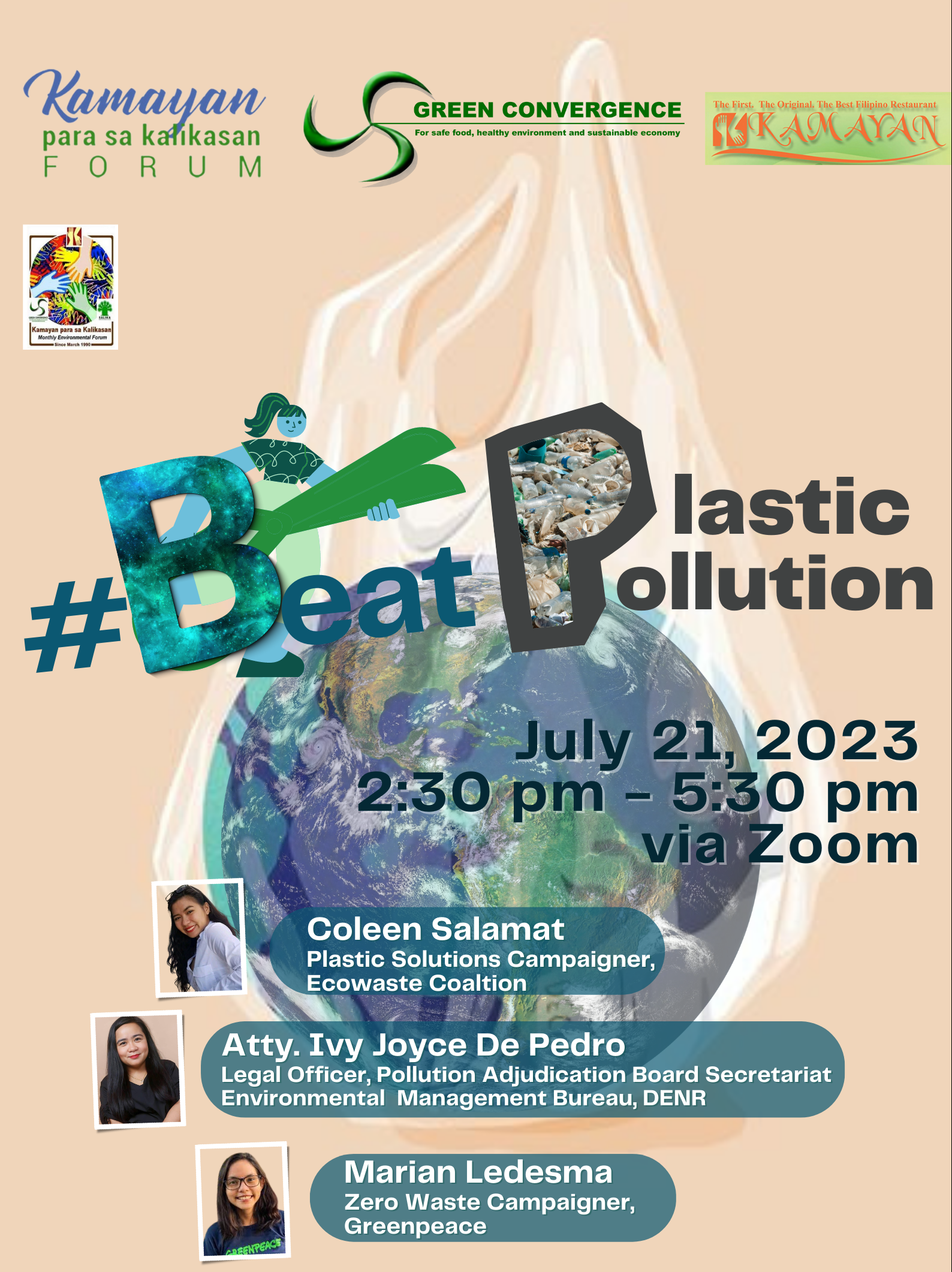
Beat Plastic Pollution

RA 9003 or the Ecological Solid Waste Management Act, was a landmark law, enacted in 2001.  Sadly, after more than 20 years, according to Our World in Data, the Philippines produces over 1/3 of all oceanic plastic waste in the world.  Plastics do not only impact our environment but also our health, livelihoods, food and wildlife.

The Philippine Government recently passed the Extended Producer Responsibility (EPR) Law while a Plastic Treaty is being crafted globally to address plastic pollution.

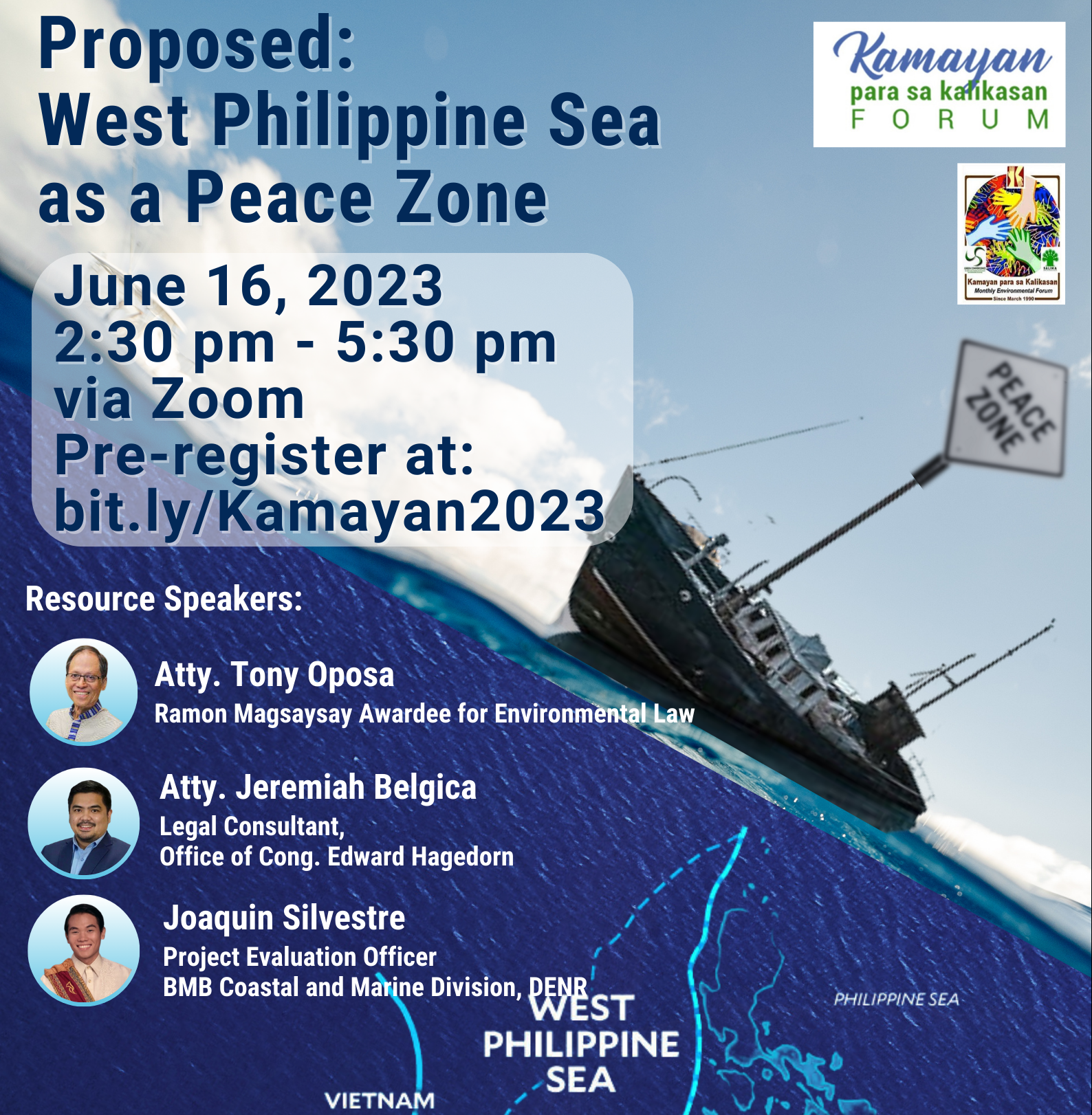
“Proposed: West Philippine Sea as a Peace Zone”

The West Philippine Sea (WPS) is known as a center of marine biodiversity. It has countless species of fish, coral, seagrass and other marine life existing in interdependence.  It is spawning grounds for schools of fish that populate waters throughout Southeast Asia.  it may also hold the key to biomedical breakthroughs.

Ironically, WPS is also vastly rich in oil and natural gas.  (It can supply power to the grids of Luzon, Visayas and Mindanao for at least 20 years.) Extraction of these fuels pose a danger to the rich marine life.  It also makes the area a flashpoint, driving sovereignty issues among claimant nations.  Land reclamation, seabed mining and other largescale activities make the WPS truly a “hotspot”.

WPS lies well within the Philippine economic zone. According to the late Philippine Ambassador Albert del Rosario, “Under international law, the West Philippine Sea, including Reed Bank, exclusively belongs to Filipinos and no one else.”

To ensure WPS’s protection, several moves have been initiated.  Ramon Magsaysay Awardee Atty. Tony Oposa, filed with the United Nation Permanent Mission a petition to proclaim as Asia Marine Peace Park the West Philippine Sea.  Rep. Edward Hagedorn filed a bill that seeks to protect parts of the West Philippine Sea from destructive human exploitation.  Senator Raffy T. Tulfo filed the Kig and Scarborough Shoal Marine Protected Area Act of 2022 declaring the three (3) nautical miles surrounding the Kalayaan Island group and Scarborough shoal in the West Philippine Sea as Marine Protected Area.


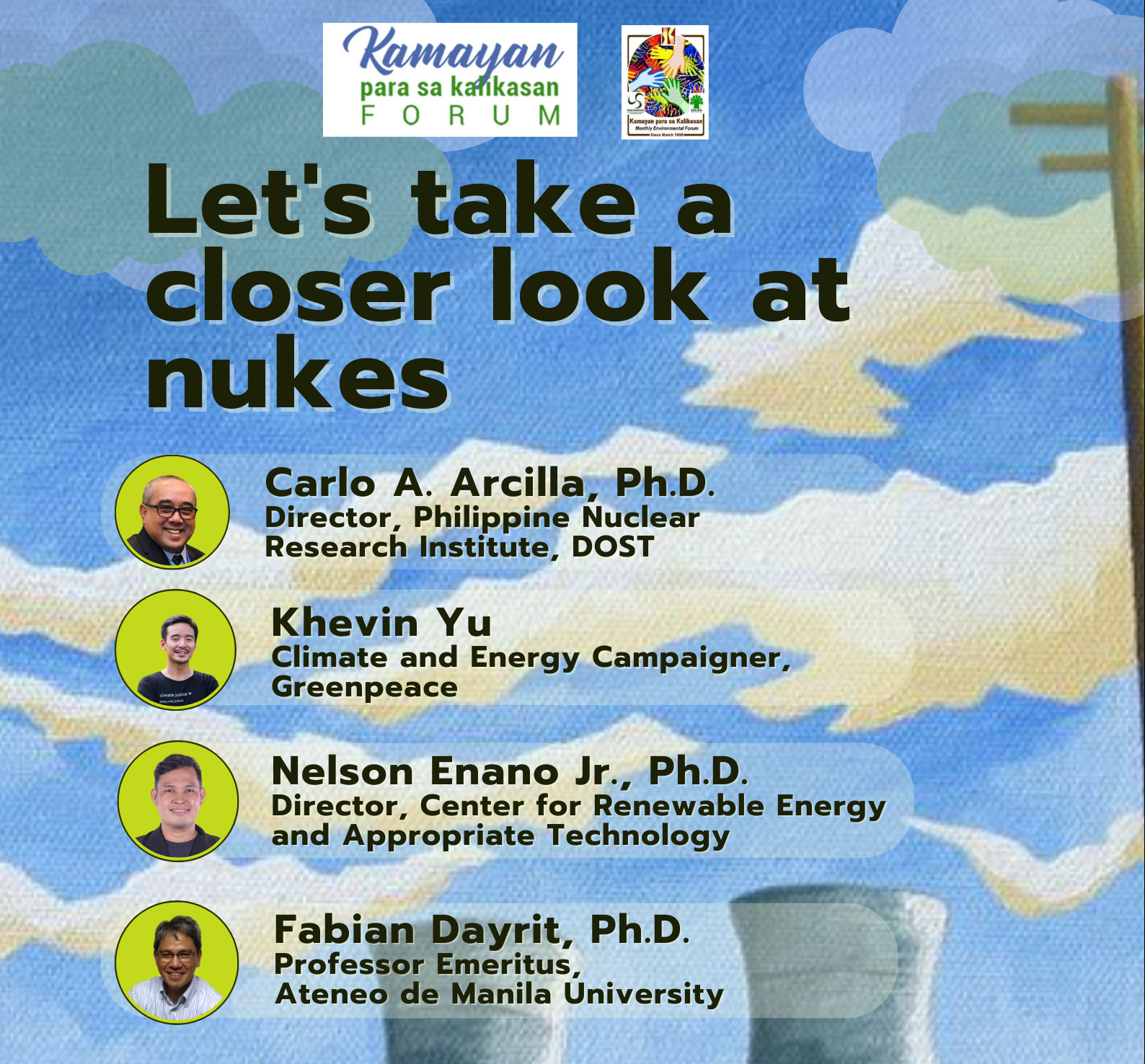
“Let’s take a closer look at nukes”

The Philippine government recently announced exploring small modular reactors (SMRs) or modular nuclear plants as an option to address energy security and to reduce carbon emissions.  Many are apprehensive about its safety and would rather explore other alternative sources for our country’s energy.

This virtual event is hosted by Green Convergence in partnership with Kamayan Restaurant.

Access the complete episode through this link:

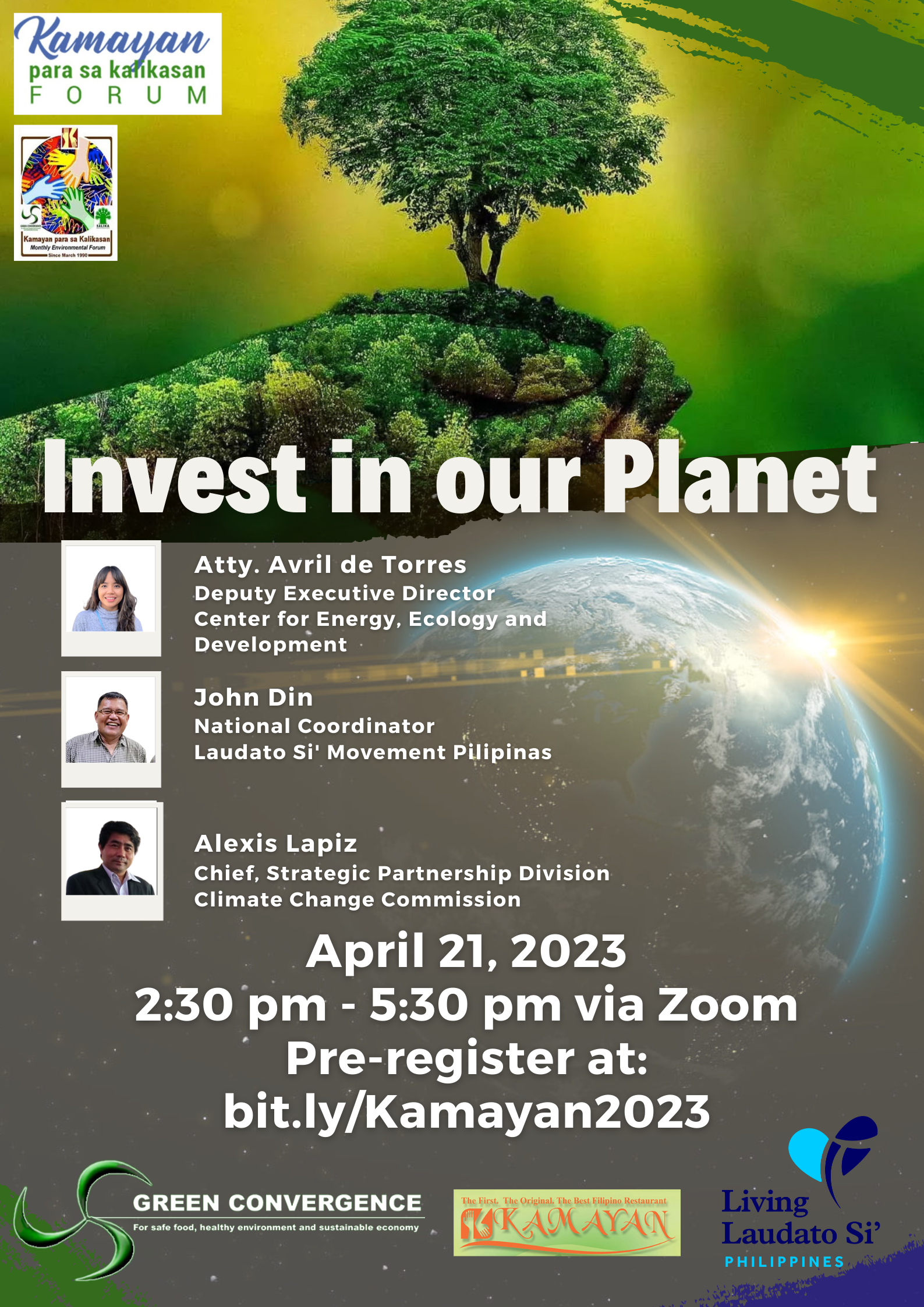
Invest in our Planet

In the past decade, the global divestment movement has been influential in hastening the just transition away from fossil fuels, the primary culprit of anthropogenic climate change. Faith-based organizations have been the largest contributing sector to trillions of financial assets being withdrawn from coal, oil, and gas interests, and invested in more sustainable ventures. It is an example of how to translate faith into action, turning religious doctrines and messages on ecological stewardship into concrete steps that help take care of our common home.
In the Philippines, the Roman Catholic Church has taken notable steps in encouraging fossil fuel divestment. Through collaboration with civil society groups, communities, and other stakeholders, this has resulted in several domestic financial institutions pronouncing their divestment from coal. However, faith-based divestment in the Philippines still faces several economic, political, and social challenges that hinders it from becoming more impactful in accelerating a just transition from fossil fuels.
In the era of the climate emergency, everyone has a role to play in taking care of our common home. For the faith-based groups and the fossil fuel divestment movement, they must identify how to inspire different sectors, including within their ranks, to withdraw their resources from financers of environmentally-destructive activities and invest in practices and systems aligned with a greener collective future.

This online event is organized by Green Convergence and Living Laudato Si’ Philippines with Kamayan Restaurant.

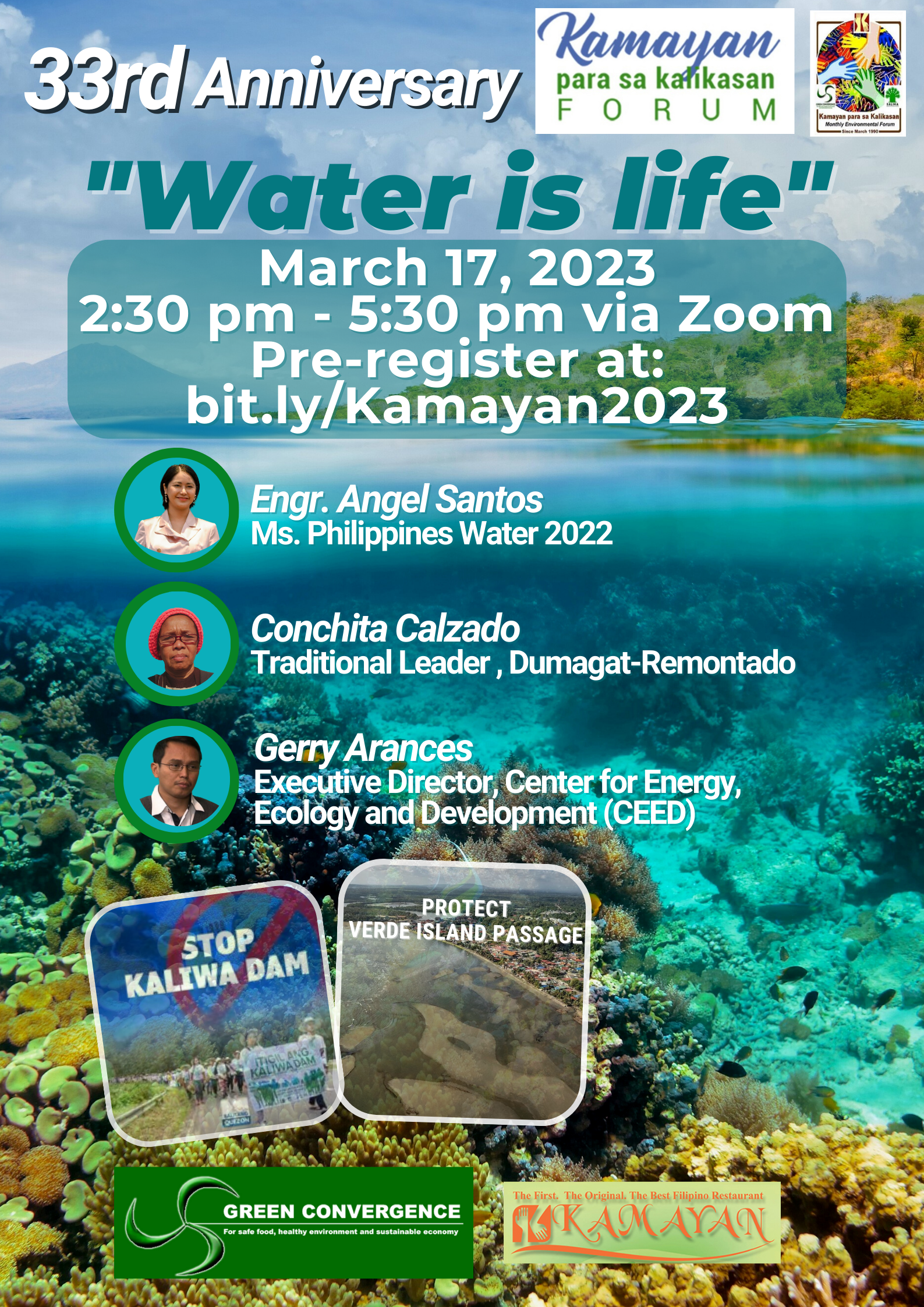
“Water is Life”

The human body is more than three-fourths water. Our planet is about 71% water. Water is essential for all forms of life. It is the basic element that allows all life forms to function and exist on earth, making Earth the only planet to support life. It is impossible for life to function without water.

In observance of World Water Day and the 33rd Anniversary of Kamayan para sa Kalikasan Forum, Green Convergence focuses on the Kaliwa Dam project, viewed as a solution to the water supply problem of over 15 million residents in the National Capital Region of the Philippines and the oil spill in Oriental Mindoro that has reached nearby provinces, affecting livelihood and valuable marine resources.

What is the current status of the New Centennial Water Source Kaliwa Dam Project? Why did a whole community march for days from Quezon province to Malacanang to protest it? Is there a win-win solution that can ensure water security to a growing population without affecting the lives of local communities? Are there measures to avoid or mitigate oil spills, that have devastating effects on marine ecosystems and biodiversity?

Gerry Arances was represented by Brent Ivan Andres, Research and Policy Officer, Center for Energy, Ecology and Development.

#StopKaliwaDam

#ProtectVerdeIslandPassage

Fall in Love with Earth: “Pusuan ang Kalikasan”

February is love month. Green Convergence for its February Kamayan spotlights Mother Earth. She has evolved to become not only our home but also to provide everything we need for healthy living, fulfilling livelihood, and beyond.

How can we reciprocate this precious blessing that we have received? How can we show love for the environment?

#PusuanAngKalikasan

Green Convergence, DENR to Hold 4th PH Environment Summit

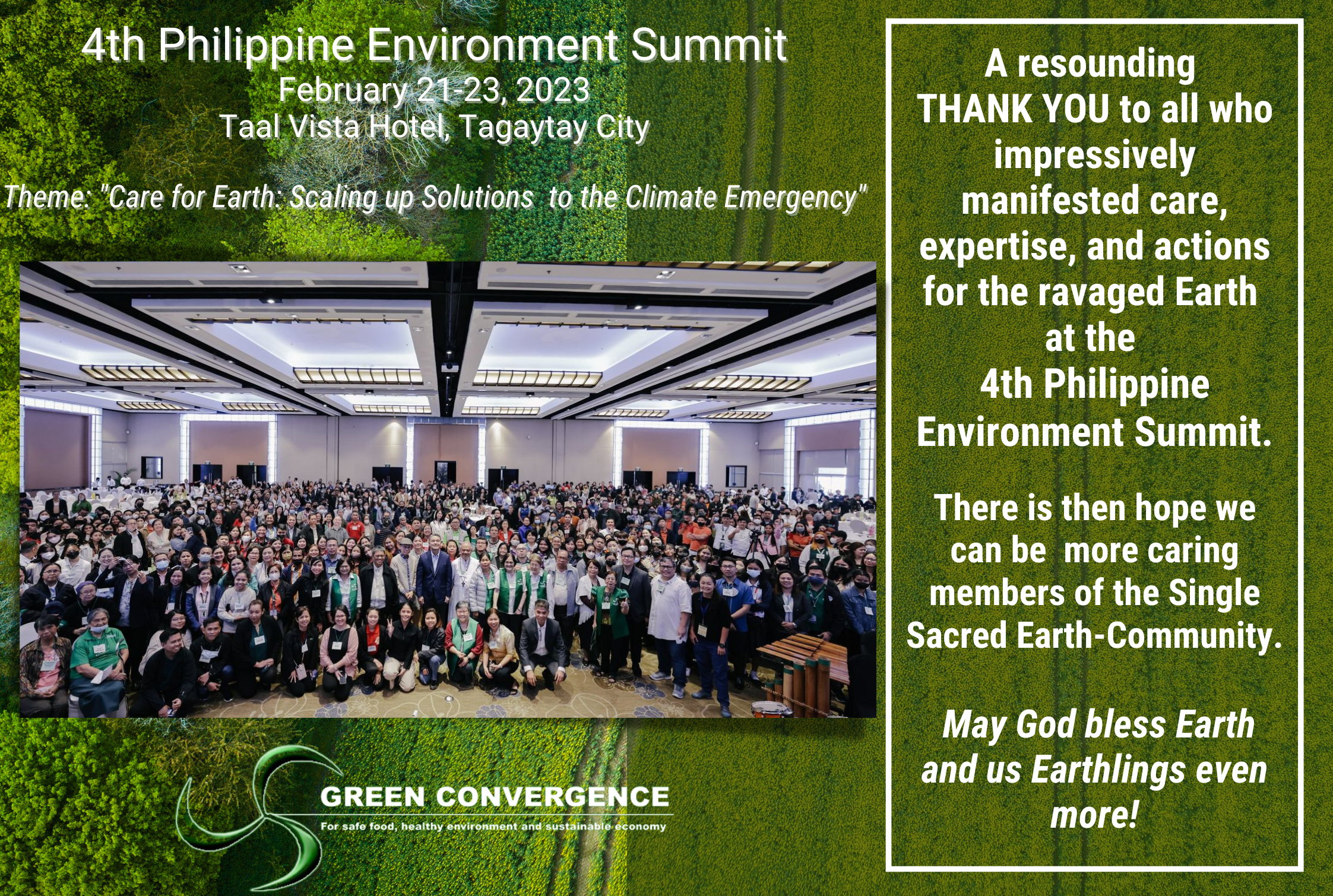
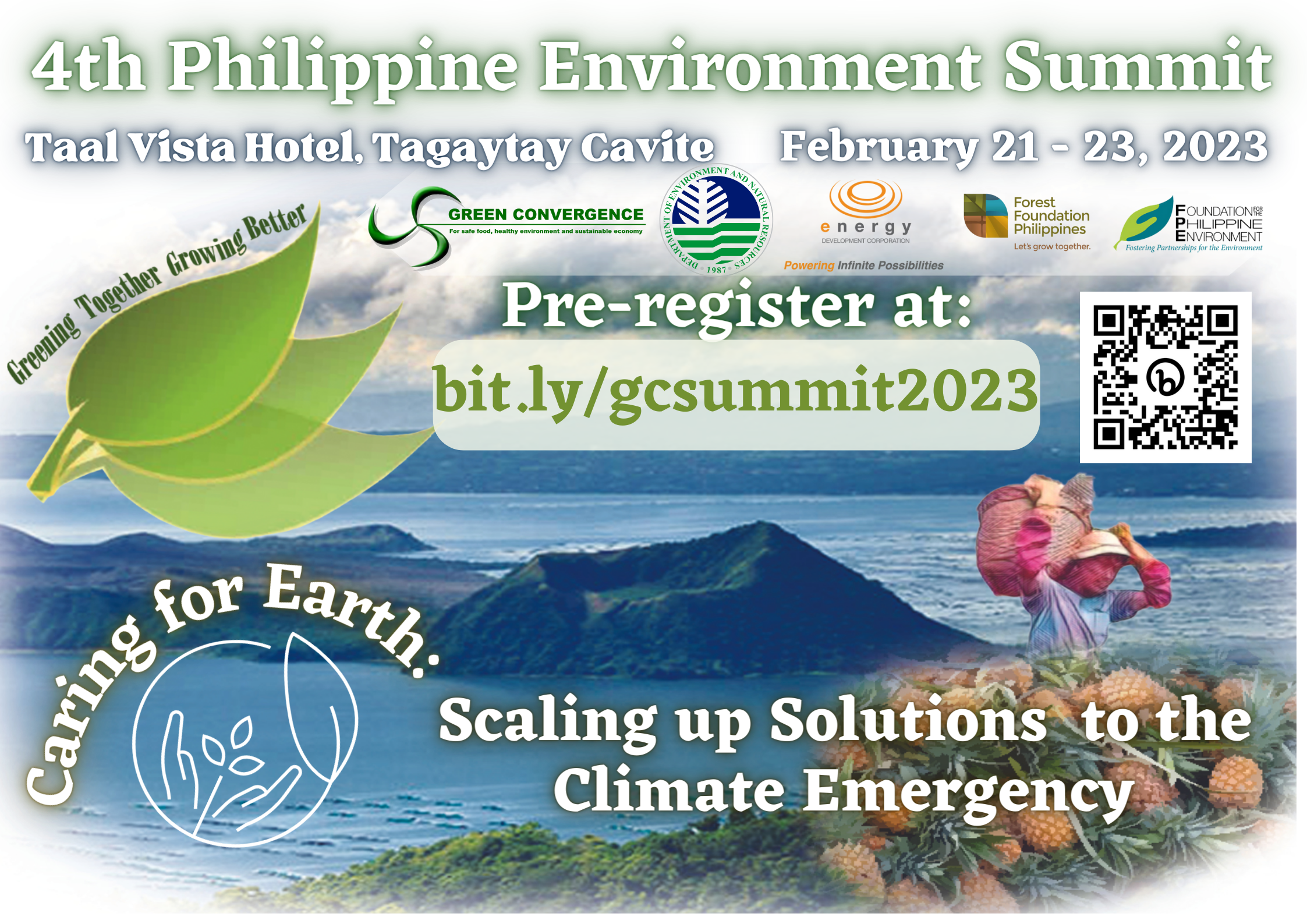
Tagaytay City will host the 4th Philippine Environment Summit with the theme “Caring for Earth: Scaling up Solutions to the Climate Emergency.” On February 21-23, 2023 at Taal Vista Hotel. Green Convergence for Safe Food, Healthy Environment and Sustainable Economy (GC), in partnership with the Department of Environment and Natural Resources (DENR) is organizing the event as co-convener, together with supporters from other sectors.

The Philippines needs to go into a path of decarbonization in order to survive the looming global catastrophe our world could face if no action is done today. After the pandemic, there is a greater responsibility to scale up solutions to address the current climate crisis.

Like the previous summits, the 4th Philippine Environment Summit is a celebration of the Philippine environmental movement, a showcase of programs and projects that contribute to social and economic advancement, while protecting our God-given ecology, and an invitation to enhance convergence among sectors to accelerate the drive towards sustainable development. In addition, this fourth summit is a call for each Filipino to take personal responsibility for our country’s response to the climate emergency.

The biennial Summit is unique to most fora on the environment that present the dire state of our planet for it recognizes the valiant efforts of many Filipinos who are taking positive steps to counter the destruction.

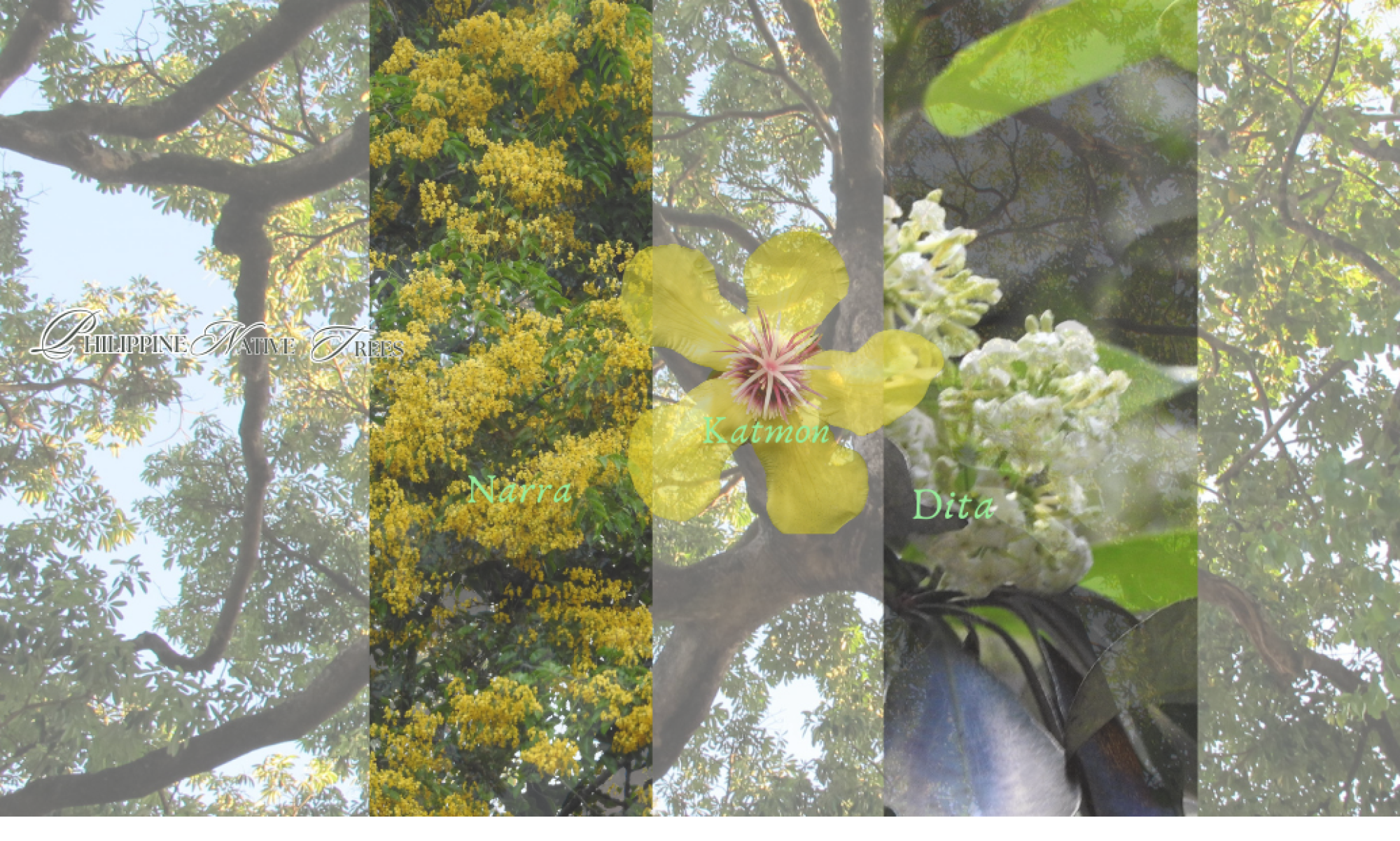
Parallel sessions feature the main programs that bring about sustainable development like renewable energy, organic agriculture, safe food manufacture, native trees reforestation, ecological solid waste management, climate change adaptation and mitigation measures, and ecotourism among others.

An exhibit area features the above programs as well as many other programs of the government, LGUs, communities, NGOs, businesses, academe, and other sectors.

Plenary speakers include Federico Lopez, CEO of the Energy Development Corporation, and Bobby Chan, Environmental Lawyer, Palawan NGO Network Inc. DENR Secretary Ma. Antonia Yulo-Loyzaga is the speaker for the keynote address.

The hosting of the summit is rotated among the three major island groups of the country. The Summit was first held in 2016 in Luzon at the SM Mall of Asia, Metro Manila, while the 2018 event was held in Visayas at the Waterfront Hotel, Cebu City. In the 2020 Summit, it was the first time that Mindanao hosted the event at the Grand Caprice Convention Center, Cagayan de Oro City.

The 3-day Summit carries the themes of Safe Food, Healthy Environment, and Sustainable Economy. Each day has plenary sessions in the morning and breakout sessions in the afternoon. Around 1000 participants from all over the country are attending.