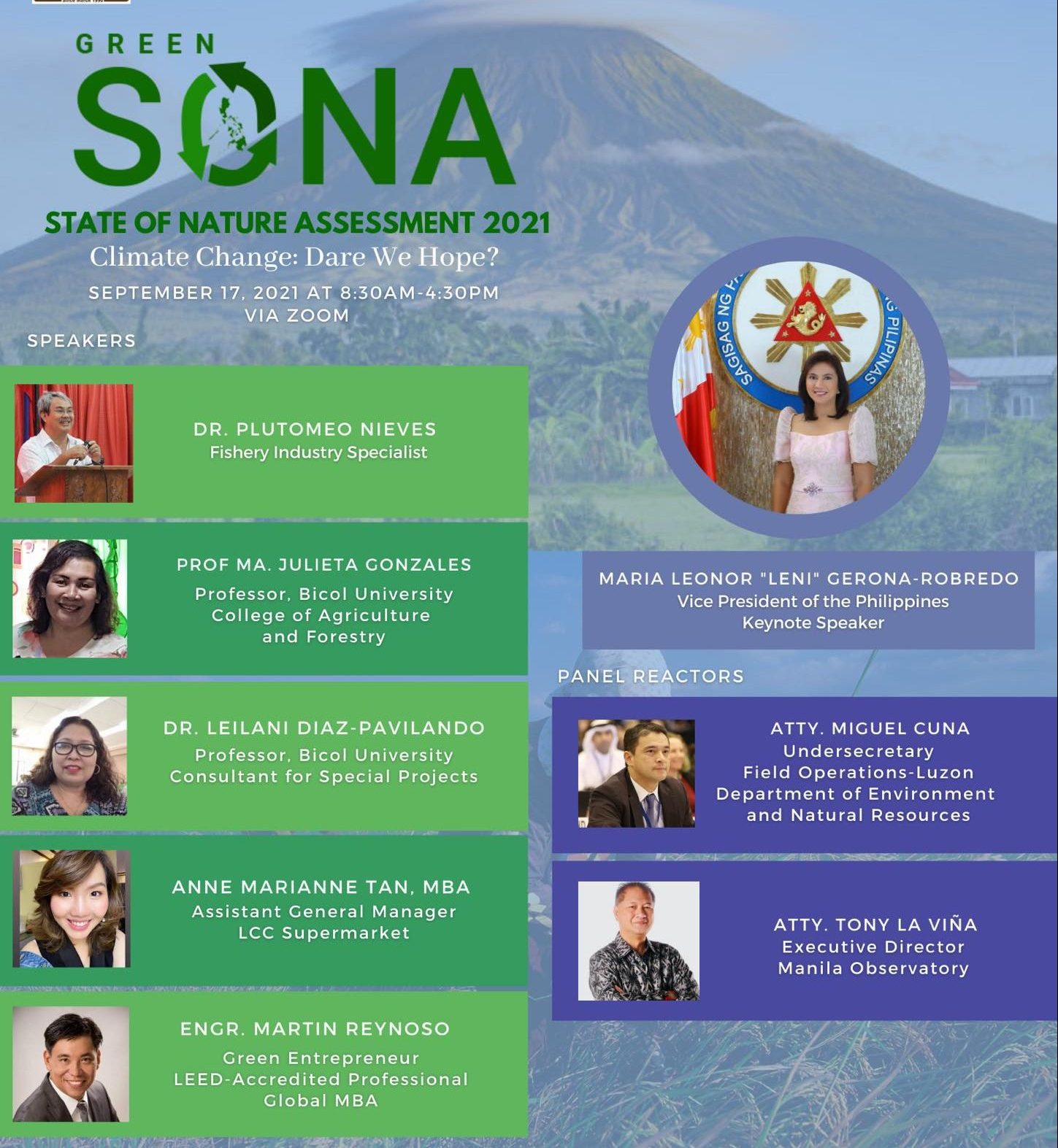
State of Nature Assessment 2021: “Climate Change: Dare to hope”

Year after year, rapidly rising global temperatures are wreaking havoc on the Earth’s climate system, posing a serious threat to Nature and all of humankind. Scientific assessments have established that global warming has worsened steadily since the Industrial Revolution, due to concentrations of heat-trapping greenhouse gases emitted into the atmosphere by human activities such as the burning of fossil fuels, mindless consumerist lifestyles, and unsustainable development practices. For the sake of human survival, a universal call is repeatedly echoed about the
need for expert scientists, world leaders, government and private entities, and the general citizenry to unite in seeking sustainable solutions to the climate crisis.

We invite you to travel with us online as Kamayan Para sa Kalikasan Forum visits Bicol, the local lens from which we are going to spotlight this year’s State of Nature Assessment (Green SONA 2021), entitled, “Climate Change: Dare We Hope?” Join the discussions and learn how you can contribute to implementing sustainable solutions and achieving Climate Neutrality by 2050. Mark the date: September 17, 2021 from 8:30AM to 4:30PM.
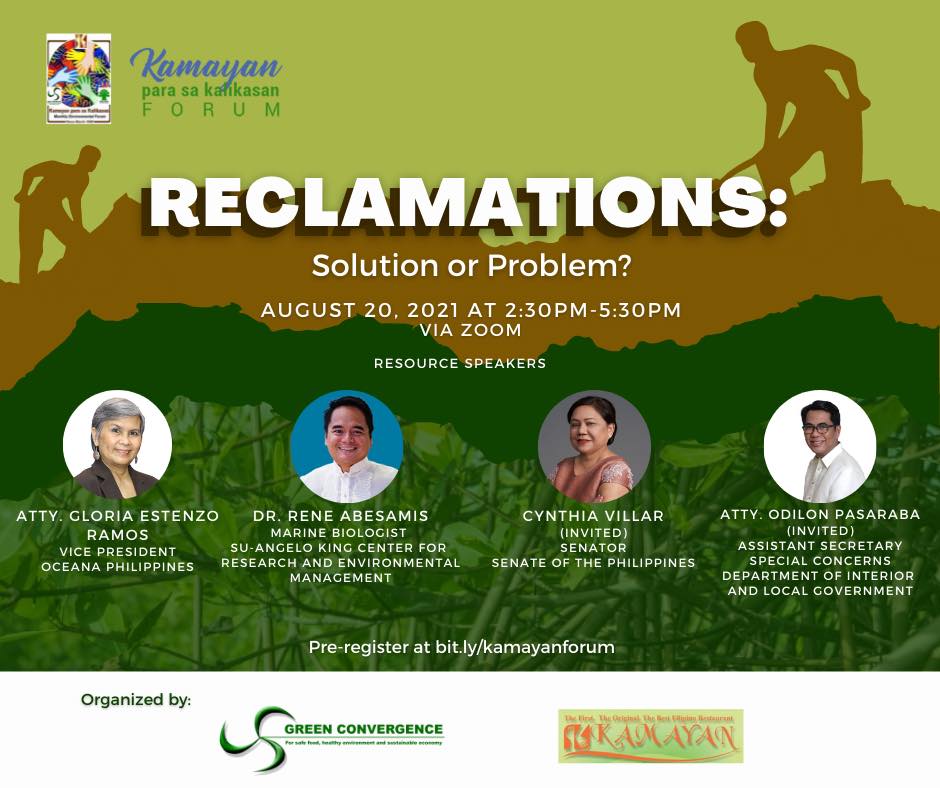
Reclamations: Solution or Problem?

The effects of land reclamation on marine ecology and the coastal environment are gaining attention and being widely studied. It has been found that reclamation may contribute to changes in flooding patterns, cause damage to marine life, and affect the stability of coastal foundations and slopes. With the current proposed and approved reclamation projects in the Philippines, what’s in store for us?

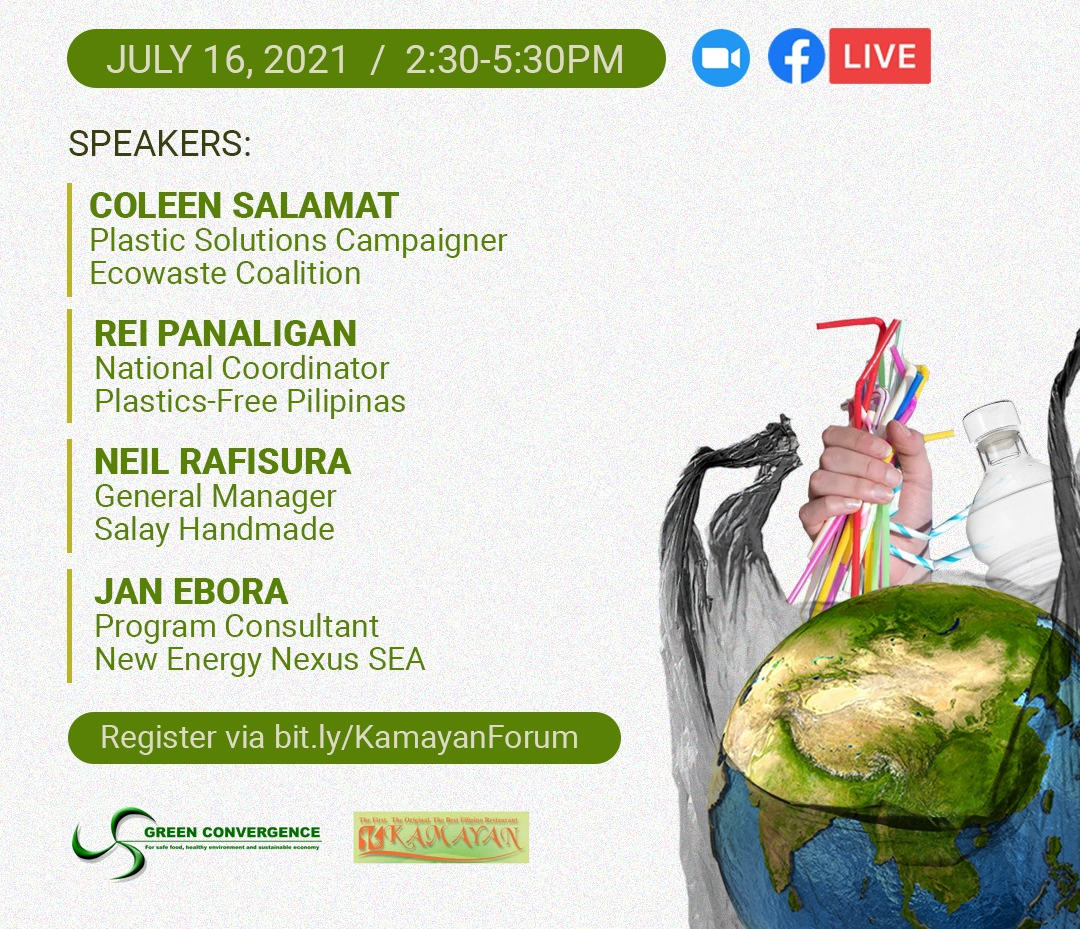
Nature’s Twin Scourges: Plastic and Climate Change

Since the invention of plastic over a hundred years ago, the synthetic material has made its way into every aspect of our life; in food, medicine, clothes, and more, plastic has made our daily tasks more convenient.

Unfortunately, the ease that comes with using plastic has a dark side, and it’s been plaguing our environment slowly but surely. Only less than 10% of all plastics are recycled while the remaining billions of tons of plastic wind up harming wildlife, marine life, and eventually, us humans.

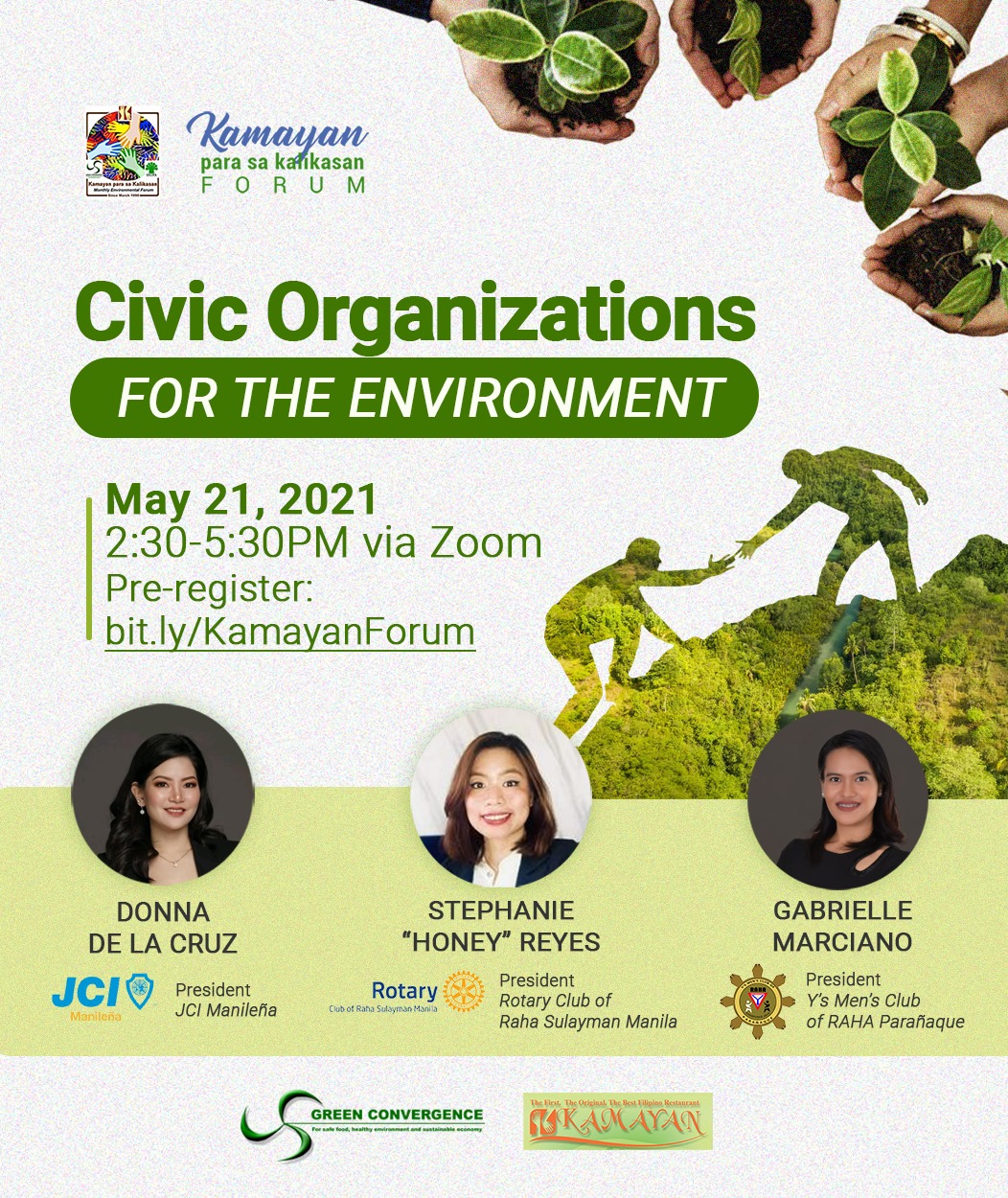
Civic Organizations for the Environment

When the state and business sector fail to secure the needs of the people, it is civil society that plays the lead role in protecting and empowering its own people. In recent years, more and more groups have come together to advocate, not just for the people’s welfare, but also for the environment.

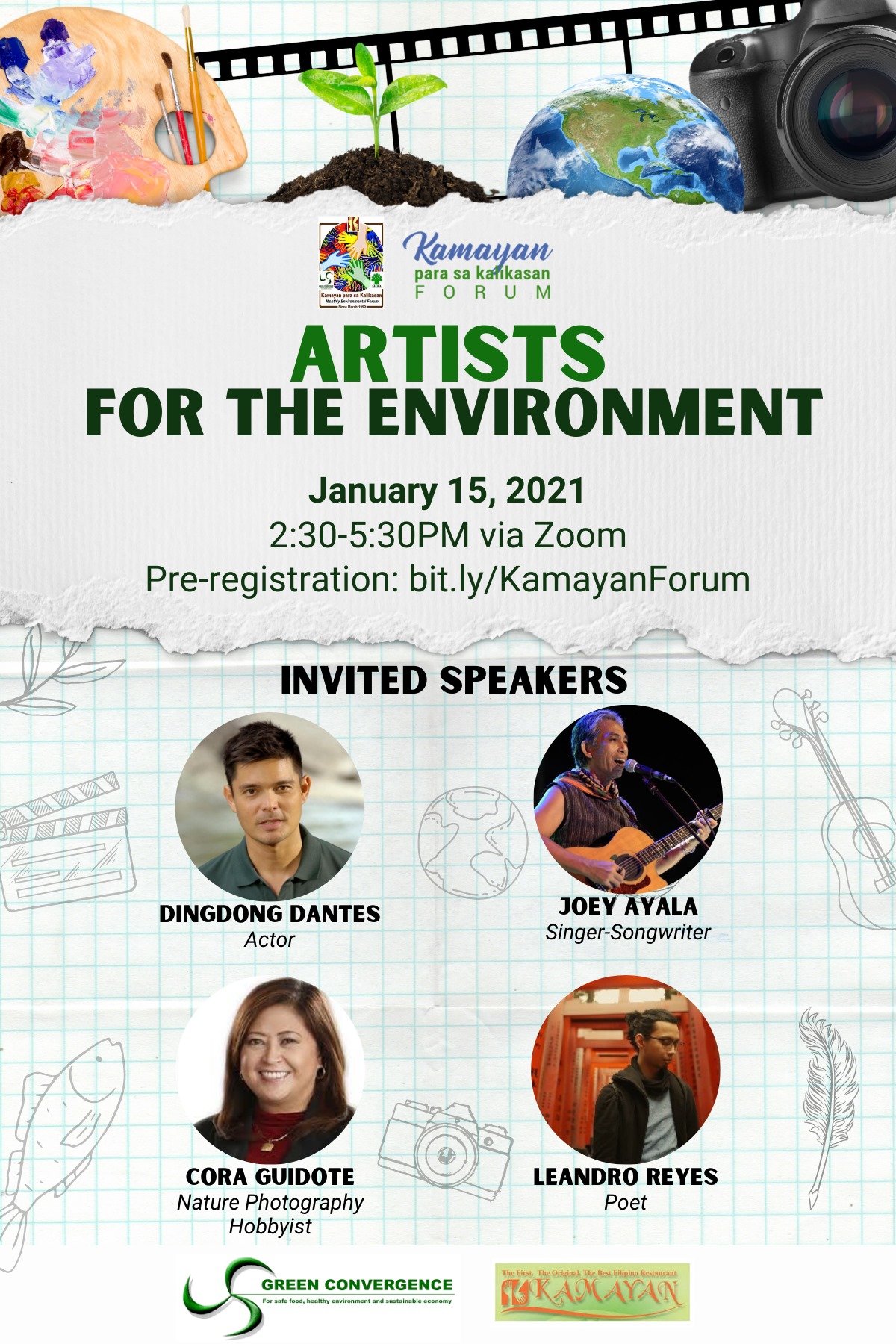
Artists for the Environment

Nature has been the inspiration behind many brilliant works of art. Whether it is through paintings, songs, films, stories, or poems, Mother Nature has been the muse behind these works of creativity.

In this month’s Kamayan Para sa Kalikasan Forum, we take a look at how some artists are giving back to the environment. What role do artists have in the care and protection of the environment? How does their work contribute to the spread of the environmental paradigm?

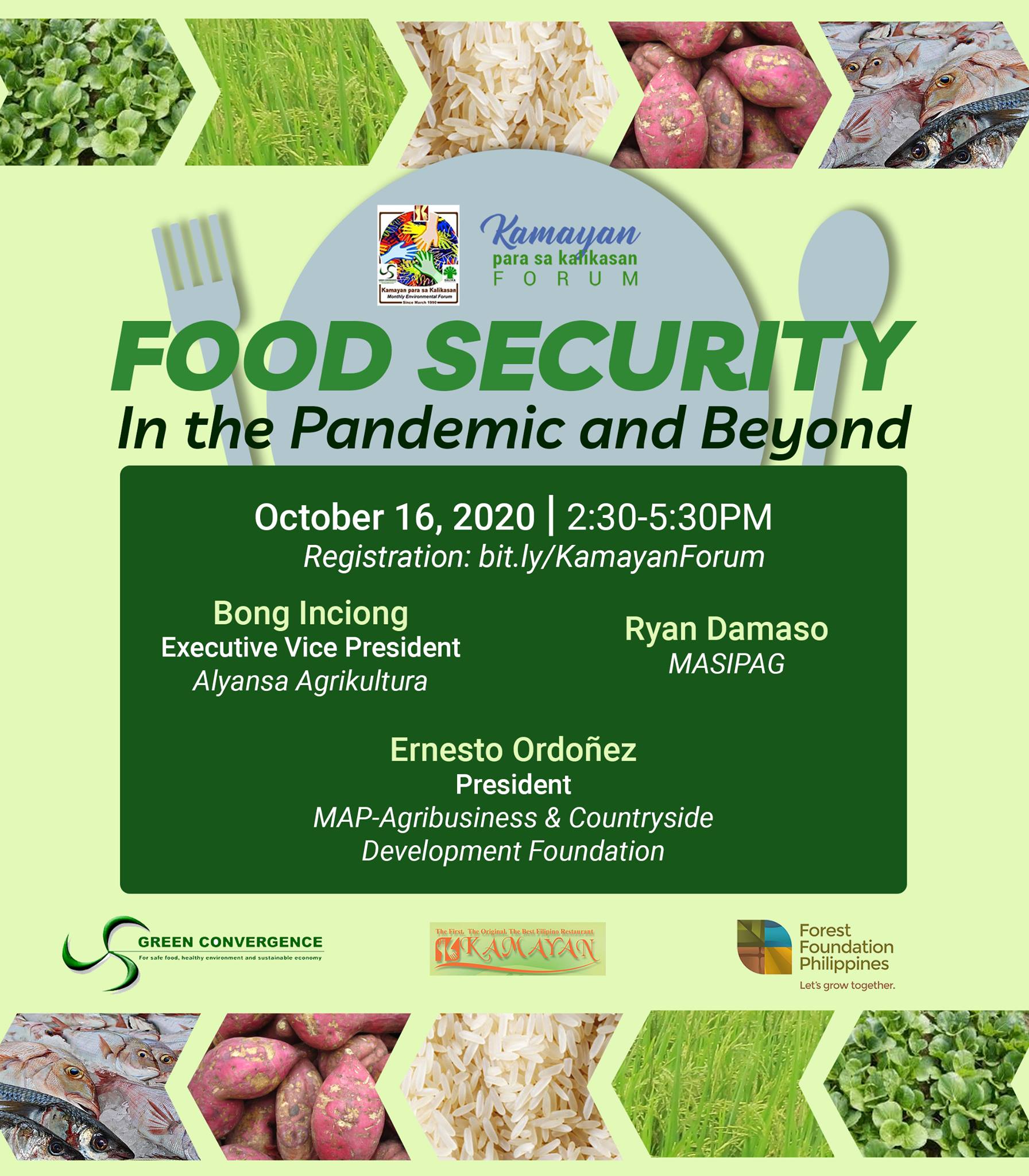
According to the UN Food and Agriculture Organization, 59 million Filipinos were reported to suffer from a moderate to severe lack of consistent access to food in 2019. Lack of income, unemployment, and natural disasters are just some of the many causes that lead to the growing number of food-insecure people in the country.

This was all before the impact of the COVID-19 pandemic.

What is the state of the agricultural sector amidst the ongoing pandemic? How has public access to food been affected by the months-long lockdown and quarantine protocols? What can the public and private sectors do to improve people’s access to food?

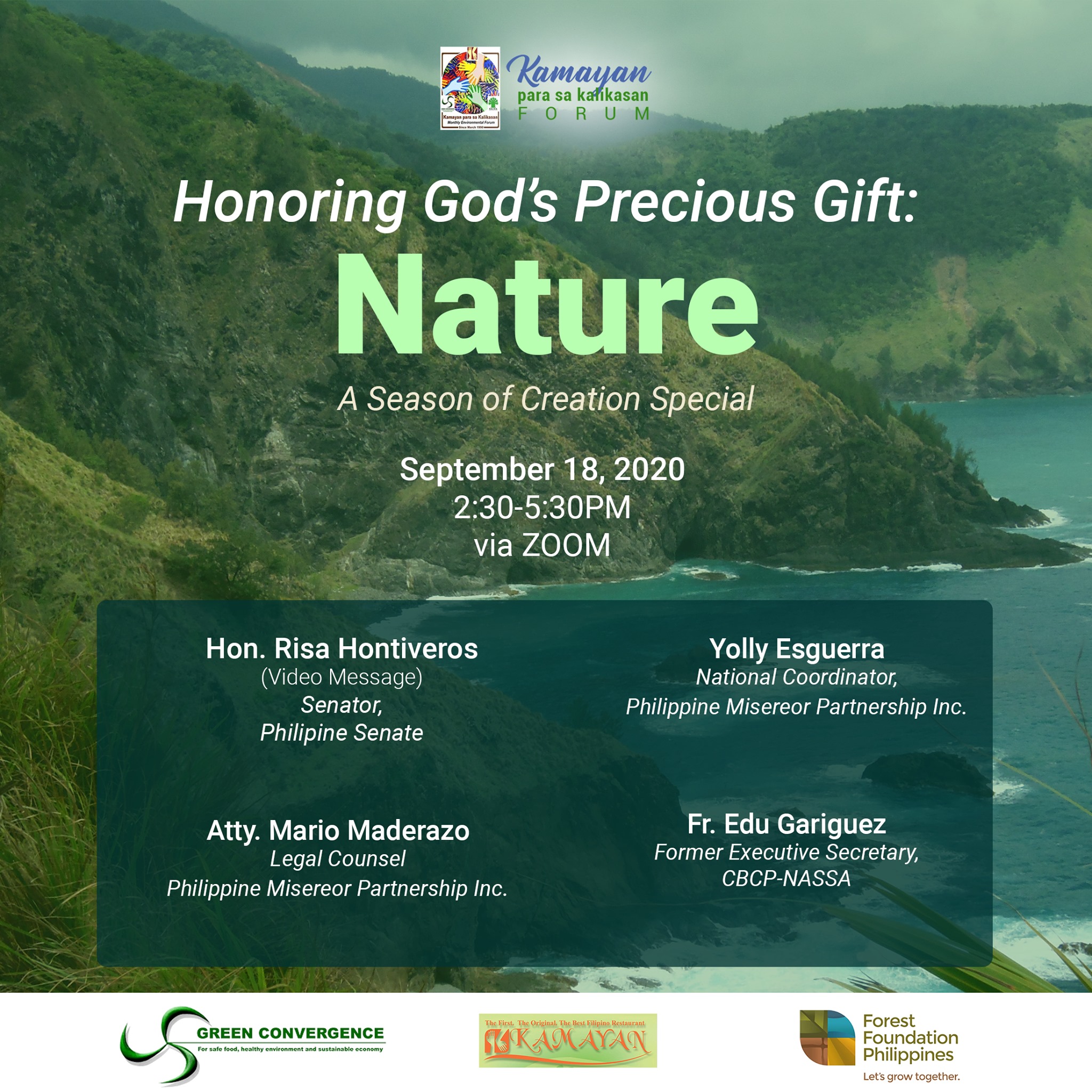
Honoring God’s Precious Gift: Nature

“A true ecological approach always becomes a social approach; it must integrate questions of justice in debates on the environment, so as to hear both the cry of the earth and the cry of the poor.” -Laudato Si (49)

The pursuit of economic development often results in the neglect of the environment. While there are some who profit from the exploitation of nature, the whole of creation is adversely affected by the consequences of environmental abuse- increased levels of pollution, loss of biodiversity, loss of natural resources, destruction of life-sustaining ecosystems, etc.

Must this so-called ‘development’ be pursued at the expense of the environment? How can we realize economic and social growth without destroying nature? Who is responsible for maintaining the integrity of creation for all life yet to come?


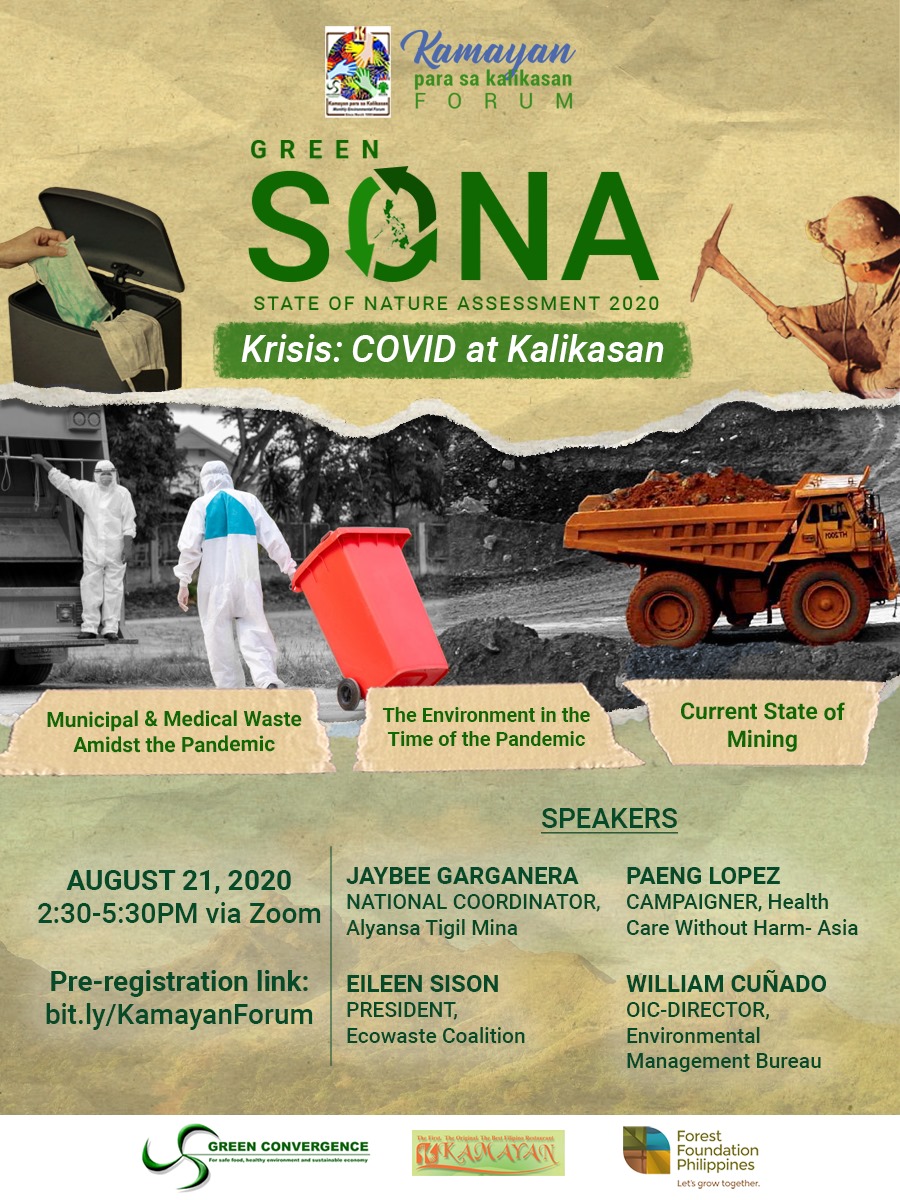
Krisis: Covid at Kalikasan

2020 will always be remembered as the COVID-19 pandemic year. It is a year filled with worry for public health and safety, hardships for frontliners, and so much more. The fight against the pandemic led to lockdowns and strict social distancing measures. As a result, the world saw a standstill in human activities- even those that are destructive to the environment. News of bluer skies and cleaner air were reported across the globe.

However, can we really consider this a win for mother nature? Or have we just turned a blind eye to new and old environmental threats amidst the pandemic? While the Philippines addresses the health crisis, it may soon face new issues such as management of all the waste produced during the pandemic, or even long-time issues such as significant developments in the mining situation of the country which have gone unnoticed by many.

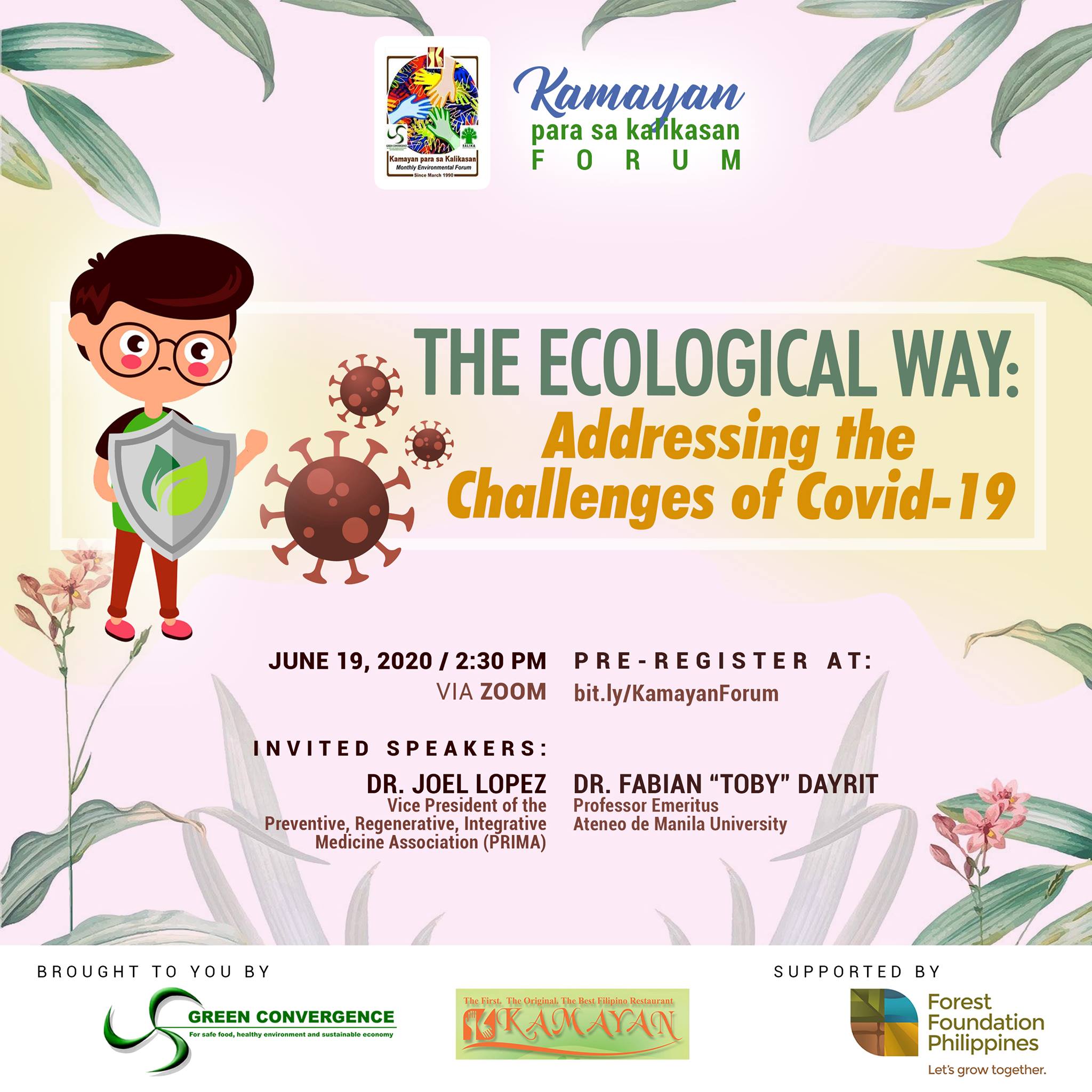
The Ecological Way: Addressing the Challenges of Covid-19

Kamayan Para Sa Kalikasan is back!

This year, the whole world is struck by a pandemic of the coronavirus disease 2019 (COVID-19), a novel infectious disease caused by severe acute respiratory syndrome coronavirus 2 (SARS-CoV-2). First detected in Wuhan, China, the virus spread to the Philippines on January 30, 2020, when the first case of the disease was confirmed in Metro Manila.

On June 4, 2020, the Philippines exceeded the 20,000 mark in a number of cases of the disease, at 20,382. As of the same day, it had the 3rd highest number of cases in Southeast Asia, after Indonesia and Singapore. Due to the spread of the disease, the administration of President Rodrigo Duterte declared the country under a state of public health emergency on March 9, 2020. Several institutions are racing to come up with the best solutions to counter the problems brought about by the crisis.

As the pandemic is not only a health issue but also an environmental one, is there an ecological way to combat its challenges?

Calendar of Activities: April 2018

GC CALENDAR OF EVENTS FOR APRIL 2018

DATE
ACTIVITY
April 02


GC Consultation Meeting

ESI Conference Room

1:00 – 5:00 PM

April 06


GC Board Meeting

GC Office at Caritas Hall, Rm. 114

1:00 PM

April 12 Tala-Kalikasan: ‘On the Ecological Implications of Charter Change’

Environmental Studies Institute Conference Room, Miriam College, Katipunan Ave, Quezon City

1:00 to 5:00 PM

Contact: Paul at 356-2166 / 0922-466 0240

Or email at: secretariat@kalikasan.net

April 15 Earth Day 2018: Forest Festival

Arroceros Forest Park, Intramuros, Manila

7:00 AM onwards

Contact: Aina P. Martin at 437-0421 or email: secretariat@earthdayphilippines.org

April 17 – 18 URGENT Strategic Planning (for invited orgs)

Tagaytay

Contact: Elizabeth Carranza                          thisisurgent.actnow@gmail.com

April 20 Kamayan sa Kalikasan Forum

Title: “Golden Rice: Boon or bane to Filipinos? Updates on the Issue”

Kamayan EDSA

10:30 AM – 1:30PM

April 21 Eco-Walk

U.P. Diliman Quezon City

6:00 AM – 9:00 AM

Assembly place: U.P. Oblation Statue

Contact: Kalikasan People’s Network for the Environment c/o Leon (02) 356-2166 or email at: secretariat@kalikasan.net

April 22 2018 Earth Day Main Celebration

Harbor Square, CCP Complex

6:00 AM onwards

Contact: Aina P. Martin at 437-0421 or email: secretariat@earthdayphilippines.org

April 25


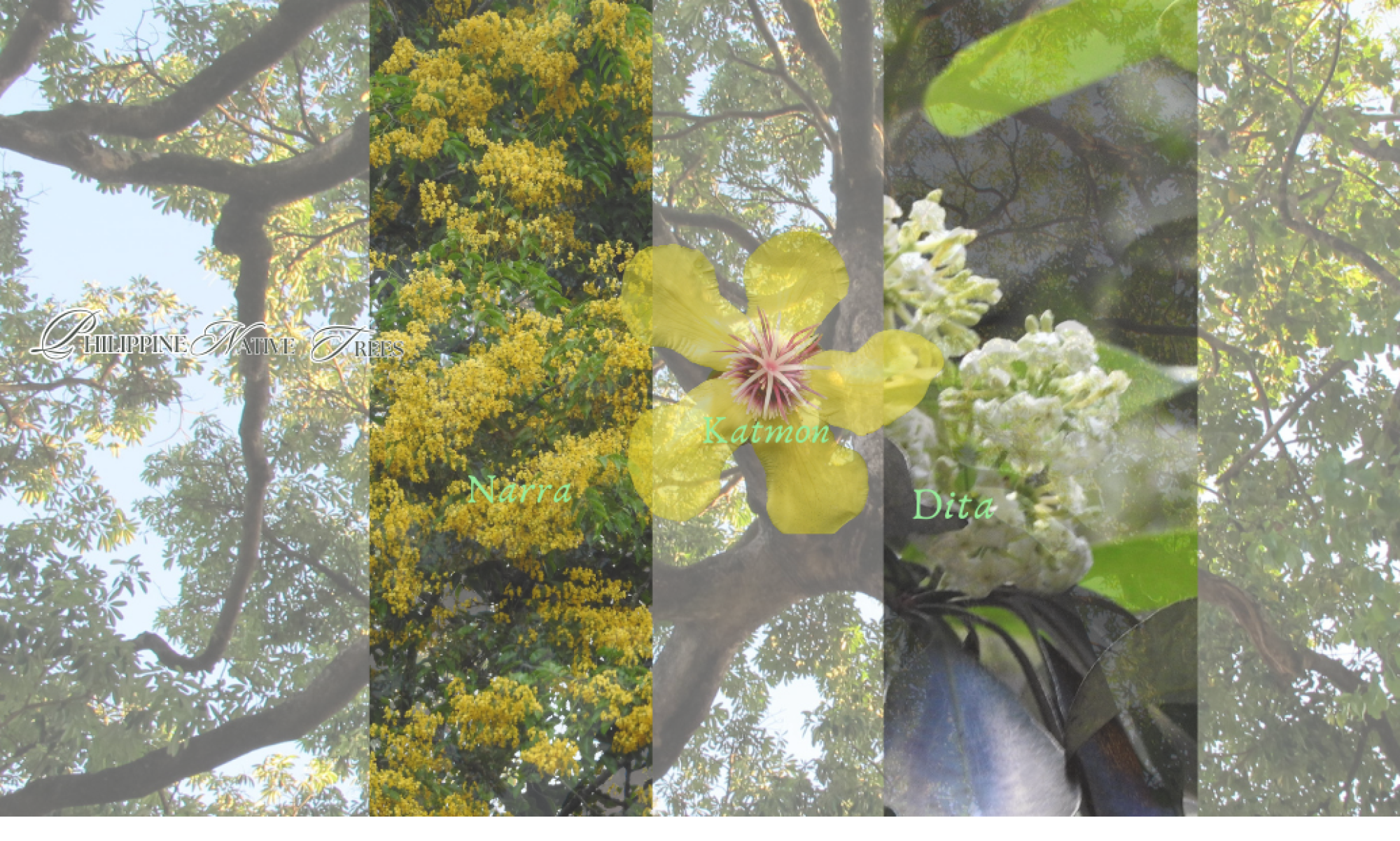
Book Launching of Phil. Native Trees 303

Innovation Center, Miriam College

11:00 – 3:00 PM