Tamaraw Habitat Assessment an Exploration of Inner Mindoro Island

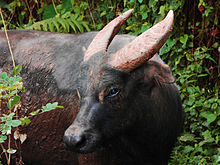
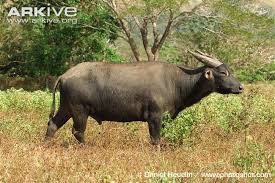
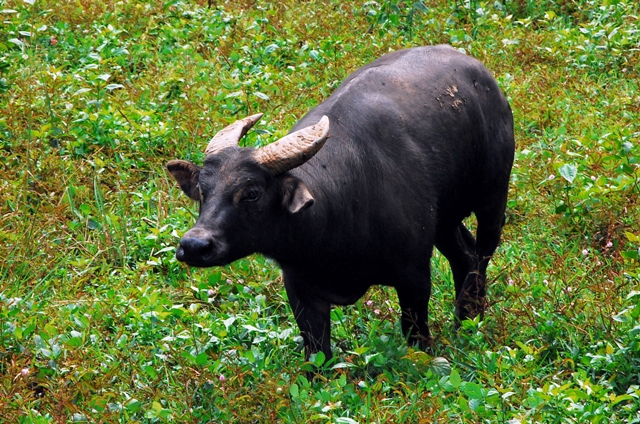
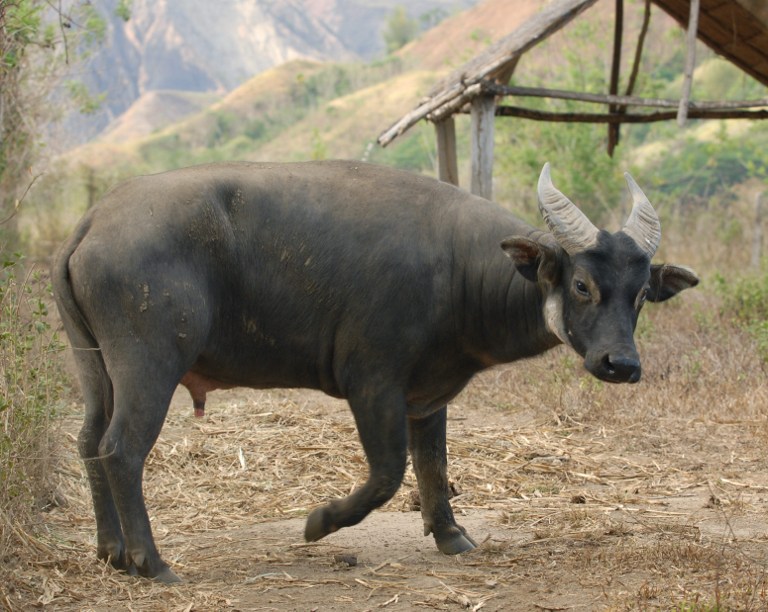
The Tamaraw, Bubalus mindorensis, is listed as ‘Critically Endangered’ on the IUCN Red List of Threatened SpeciesTM. It is the largest mammal endemic to the Philippines and can only be
found on the island of Mindoro.

The main current threat to the Tamaraw is habitat loss due to farming by resettled and local people. Historically, this species was hunted for both subsistence and sport, which led to a
period of drastic decline in numbers of individuals and populations. The introduction of cattle in the past also caused a rinderpest epidemic that contributed to a further decline in numbers.
The Tamaraw population has now stabilized and has even shown signs of recovery due to the total ban on sport hunting, closure of nearby ranches, and more intensive patrolling and
awareness activities.

The Tamaraw is listed on CITES Appendix I and also receives total protection under Philippine law. A captive breeding programme for this species proved unsuccessful, and so conservation
efforts are now focused on protecting the wild population of this charismatic Philippine mammal.[/vc_column_text]

You must be logged in to view this content. Free Virtual Library Registration Here


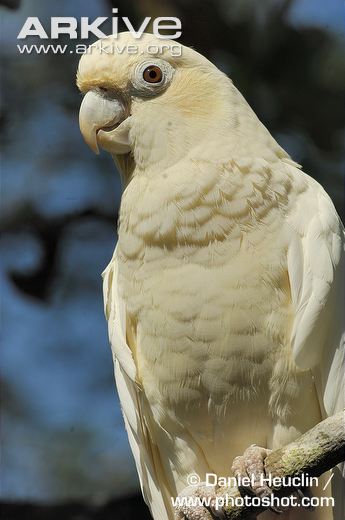
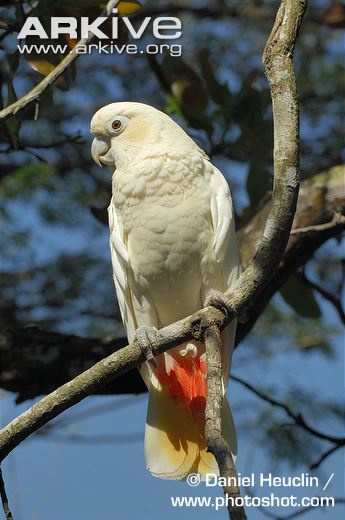
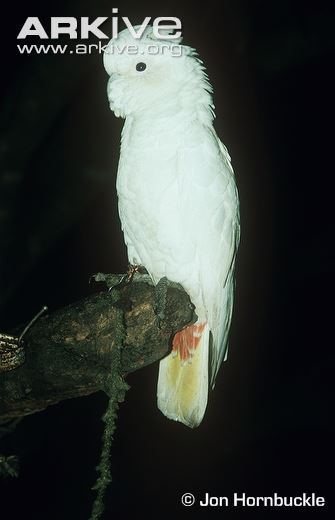
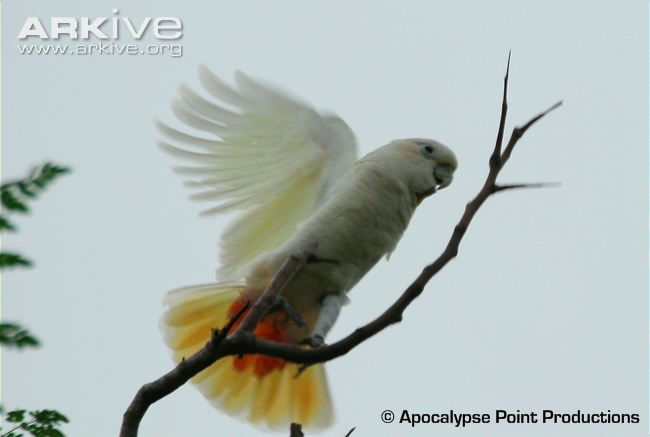
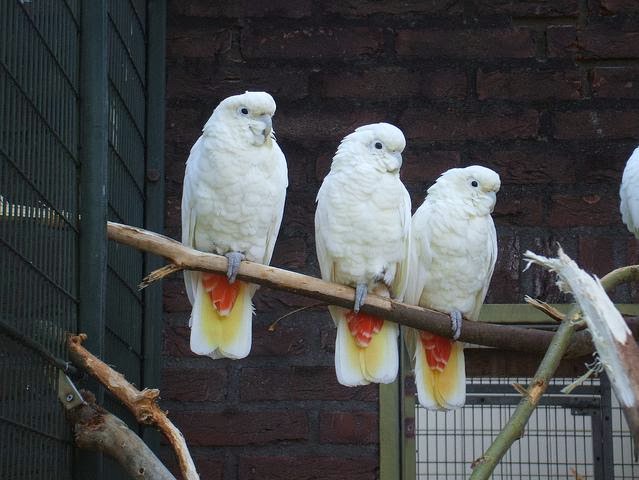
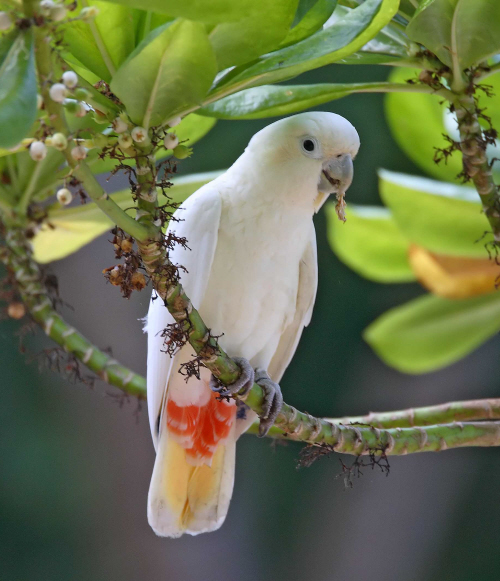
Philippine Cockatoo (Cacatua Haematuropygia)

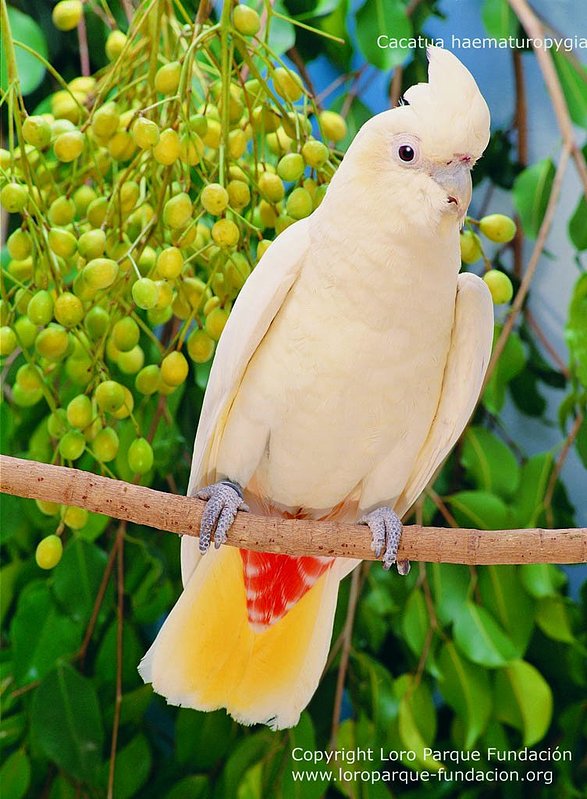
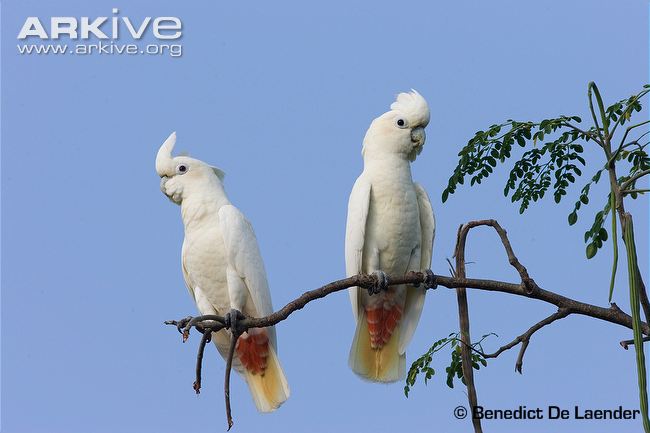
Cacatoès des Philippines. Previously widespread in the Philippine islands, this cockatoo now numbers perhaps less than 1,000 and is reduced to only a few places. Its stronghold being the island of Palawan where the LPF supports the conservation programme run by the Katala Foundation. The supporter partnership includes Chester Zoo, CEPA and ZGAP.

This beautiful, white cockatoo is found only in the Philippines. Covered in white plumage, but with bright red and yellow undertail, this stunning bird is highly sought after in the pet trade. Its unusual ability to mimic the human voice makes this species even more desirable. Poaching, selling and buying of cockatoos have been one of the primary causes for the decline in numbers.

Mangroves and primary forests are vital habitat for feeding and breeding. These forests are being cleared for cultivation, urban development or mining. With numbers estimated at between 370 to 770 adults, the Philippine Cockatoo is classified as critically endangered.

The Katala Foundation has been working hard to conserve the species, however they need more support and engagement from local people to prevent the extinction of this unique bird.

You must be logged in to view this content. Free Virtual Library Registration Here

State of Nature Assessment 2017: Resolutions

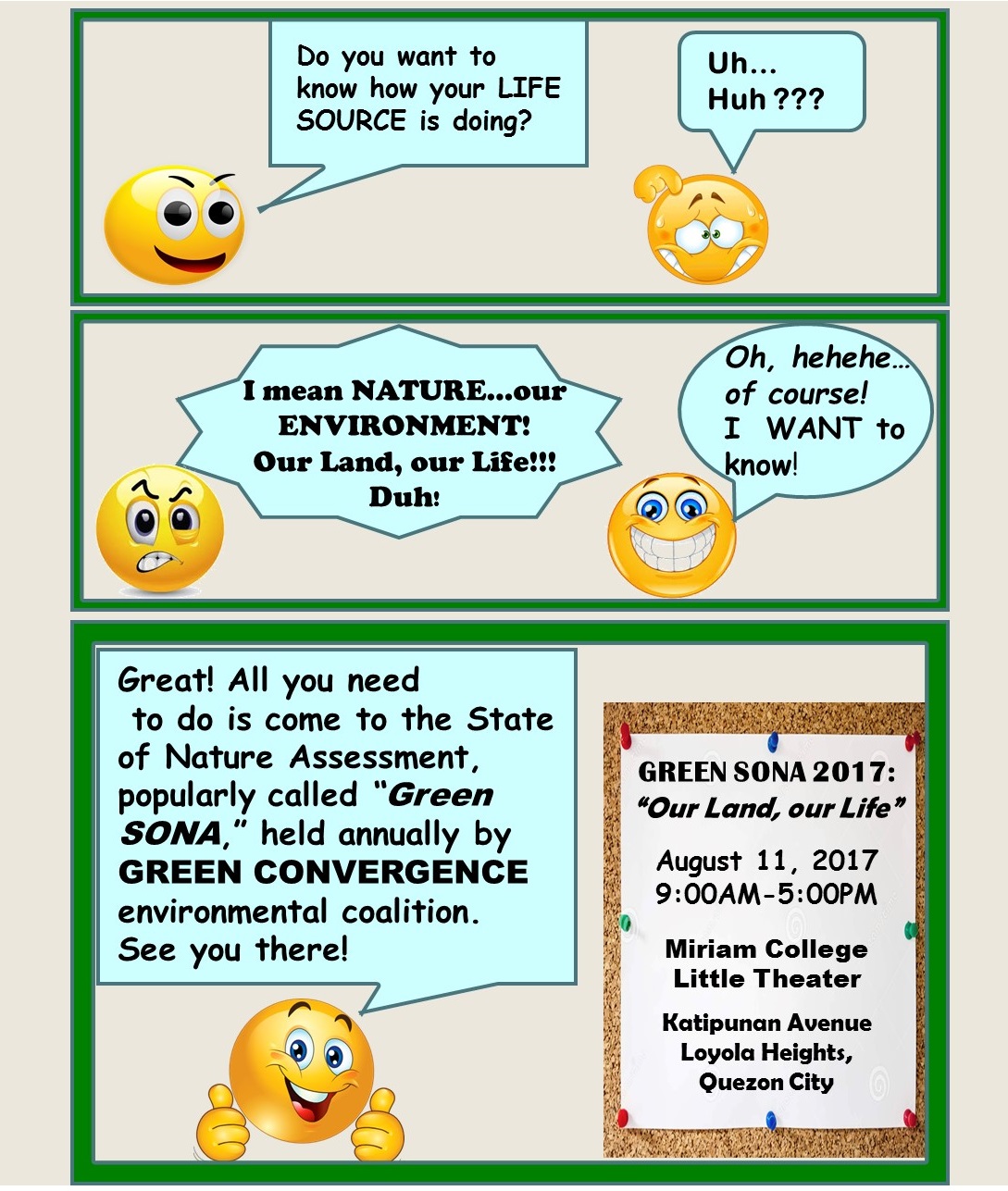
STATE OF NATURE ASSESSMENT 2017

“Our Land, Our Life”

August 11, 2017; Little Theater, Miriam College

RESOLUTIONS

Whereas the Philippines is archipelagic, mountainous and volcanic, blessed with inherent ecosystems and natural elements that maintain and preserve the richness of its biodiversity;

Whereas the Northern Sierra Madre Natural Park (NSMNP) is the largest and most diverse protected area in the Philippines, home to some of our most treasured species found only in the Philippines;

Whereas our natural ecosystems from ridge to reef provide ecological services to Filipinos and are the lifeline against the ill effects of climate change;

Whereas the Philippines is home to Indigenous Peoples whose culture and resource use have integrated respect for the environment and sustainable management of natural resources;

Whereas our rich biodiversity and unique natural features have gained world recognition;

Whereas our exclusive rights to use and enjoy the marine wealth in the West Philippine Sea was confirmed by the ruling of our claims under the United Nations Convention on the Law of the Sea;

Whereas current developments could lead to irreversible environmental, social and cultural degradation;

We, the attendees of the State of Nature Assessment : Our Land, Our Life, sponsored by Green Convergence held this August 11, 2017 at the Little Theater of Miriam College call on government to:

  1. STOP the construction of the Isabela Ilagan-Divilacan Road and Kaliwa-Laiban Dam that would put vulnerable ecosystems and communities in Sierra Madre Natural Park to further risks, causing loss of ecological services, genetic diversity, and climate change mitigation;
  2. STOP chemical agriculture and use of GMOs and SHIFT to organic farming that prioritizes food security of Filipinos above global market and ensures food safety, health and economic well-being of the Filipinos and protects our land and environment.
  3. UPDATE GIS mapping using ecosystem approach to include ridge to reef planning, to enhance knowledge of communities in climate change resiliency, disaster risk management.
  4. PASS the National Land Use Act (NLUA).
  5. IMPLEMENT RA 6716 mandating rainwater collection.
  6. DISALLOW all mining and quarrying operations and huge hydro-power projects in watershed areas.
  7. HALT the expansion of all palm plantations and take immediate measures to counter its negative impact on indigenous people, environment, social justice and sustainable development.
  8. UPHOLD as non-negotiable in dealing with territorial disputes our constitution XII, Sec. 2: “The State shall protect the nation’s marine wealth in its archipelagic waters, territorial sea, and exclusive economic zone, and reserve its use and enjoyment exclusively to Filipino citizens, ” and the decision of UNCLOS favoring the Philippine territorial claims on West Philippine Sea.

FOR OUR PART, we resolve to:

  1. LOBBY the government to adopt an ecological paradigm in its development plan;
  2. UNITE to undertake actions on our advocacy that are socially inclusive and economically beneficial;
  3. INVOKE the Writ of Kalikasan against violators of environmental laws especially those that have large impact on people and nature.  3.1 especially the political & business personalities that are behind the construction of the IIigan-Divilian road and the airport; 3.2 people behind the expansion of palm oil plantations
  4. SYNERGIZE our efforts for maximum efficiency and effectiveness by collating initiatives undertaken by groups and organizations, identifying gaps and working together to close these gaps.


General Assembly: August 22, 2017, Environmental Studies Institute -Miriam College

Green Convergence Board of Trustees for 2017-2018 (from left to right: Standing-Carlo Garcia(Environmental Studies Institute), Clarissa Magsarili (Zero Waste Philippines), Leonor Berroya (Earthday Network Philippines), John Din (Columban Missionaries), Ma. Teresa Oliva (Executive Director, Green Convergence); Seated-Sr. Angelina Villanueva (Association of Major Religious Superiors of the Philippines-Justice, Peace, and Integrity of Creation Commission AMRSP-JPICC), Victoria Segovia (Philippine Women’s University-Environmental Program), Marietta Marciano (Sanib Lakas Para Sa Inang Kalikasan -SALIKA) and Angelina Galang (Philippine Network of Educators for the Environment-PNEE) 

Palm Oil Expansion In The Philippines

Marami ang nagsasabi na mayaman ang Pilipinas subalit naghihirap ang mamamayang Pilipino. May katotohanan ito dahil kahit sagana sa mga likas na yaman ang ating bayan,
nananatiling mahirap, nagugutom at nagdudusa pa rin ang marami nating mga kababayan. Kabilang sa pinakamayamang lugar sa ating bansa ang Mindanao, tinatawag din na Lupang
Pangako. Subalit ngayon, nakapailalim ang Mindanao sa Martial Law at lalo pang tumindi ang nararanasang kahirapan ng ating mga kababayan doon.

Nasa isla ng Mindanao ang pinakamalalaking plantasyon sa Pilipinas. Libu-libong ektaryang lupain ang nasasaklaw bilang taniman ng goma, saging, pinya at oil palm.
Ang mga dating lupang sakahan at lupang ninuno na binubungkal ng ating mga magsasaka at tinitirhan ng ating mga katutubo ay napalitan na ng mga plantasyon na nasa kontrol ng
malalaking lokal at dayuhang agrokorporasyon.

Kung dati-rati ay pagkain – palay, mais, gulay ang nakatanim sa ating mga lupain, ngayon ay mga pananim na pang export na ang sumakop sa lupain ng mga magsasaka at katutubo.
Mga malalaking dayuhang kumpanya gaya ng Dole Philippines ng U.S., Del Monte at Sumifru ng Japan ang nakikinabang sa ating lupain at likas na yaman.

Malalawak na lupain pa ang tinatarget sakupin sa planong higit na pagpapalawak o ekspansyon ng mga plantasyon. Kabilang dito ang ekspansyon ng oil palm plantations.
Isang milyong ektaryang grasslands sa Mindanao ang unti-unting itinatransporma upang maging oil palm estates gaya ng ginagawa sa Sultan Kudarat, North Cotabato, at mga rehiyon ng CARAGA at Northern Mindanao.

You must be logged in to view this content. Free Virtual Library Registration Here