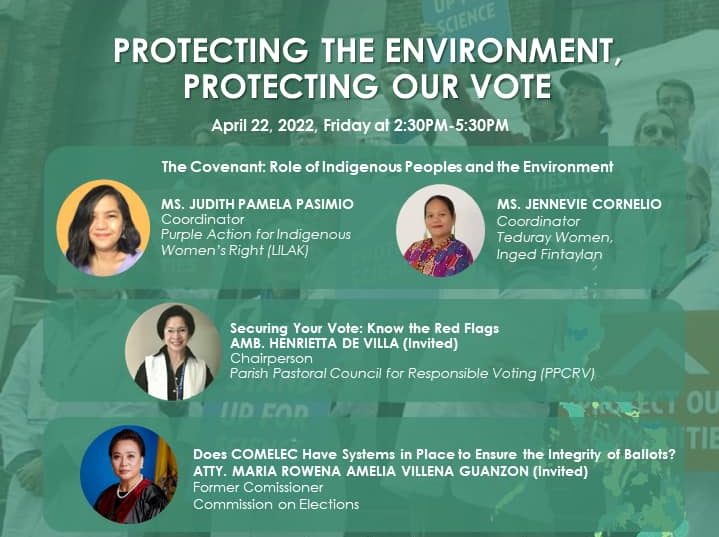
PROTECTING THE ENVIRONMENT, PROTECTING OUR VOTE

As more frequent and more devastating calamities arise as a result of the climate crisis, scientists worldwide have set a call to action for leaders all over the world to take serious measures in battling climate change.

Each and every vote this coming election will determine the fate of our environment and the survival of our fragile, extremely climate-vulnerable nation, by the kind of leaders we will elect. Have we carefully discerned the best candidates to vote for? Are we ready and do we know how to protect our vote?

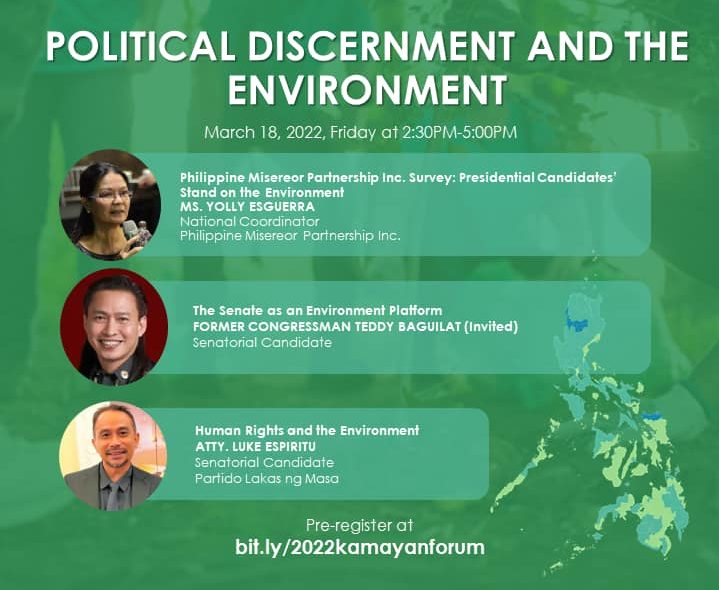
POLITICAL DISCERNMENT AND THE ENVIRONMENT

The world’s most urgent mission is to achieve climate neutrality by 2050 with an ecological agenda that would help save our planet and mankind. With climate change as one of the main causes of irrevocable damage to nature, the upcoming national elections must see us vote for leaders who are keenly aware of the urgent need to address the climate crisis if we are to survive, our country being one of the most vulnerable to climate impacts.

To help voters choose wisely, let’s take a peek into the candidates’ positions on issues that affect the environment and climate change.

CANDIDATES WITH ENVIRONMENTAL PLATFORMS

Our practices today will determine our future just as much as the leaders we choose today to determine the fate of our nation and the next generations.

With the upcoming elections, Green Convergence Philippines has invited select candidates to share and discuss their environmental platforms and vision for the nation.


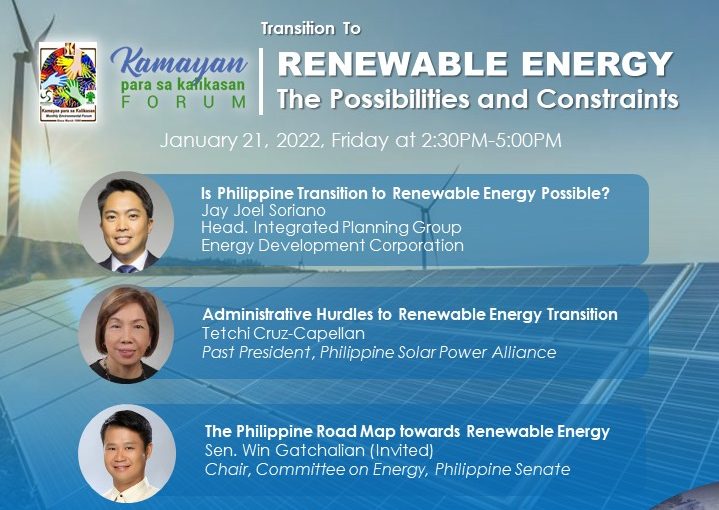
Transition to Renewable Energy: The Possibilities and Constraints

Continuous population growth and economic progress result in greater demand for power. The existential threats posed by global warming make imperative the transition to renewable energy in the shortest time possible. The geography of the Philippines makes it highly vulnerable to the adverse effects of climate change. However, this same geography translates to renewable energy sources that give our country great potential for sustainable development.

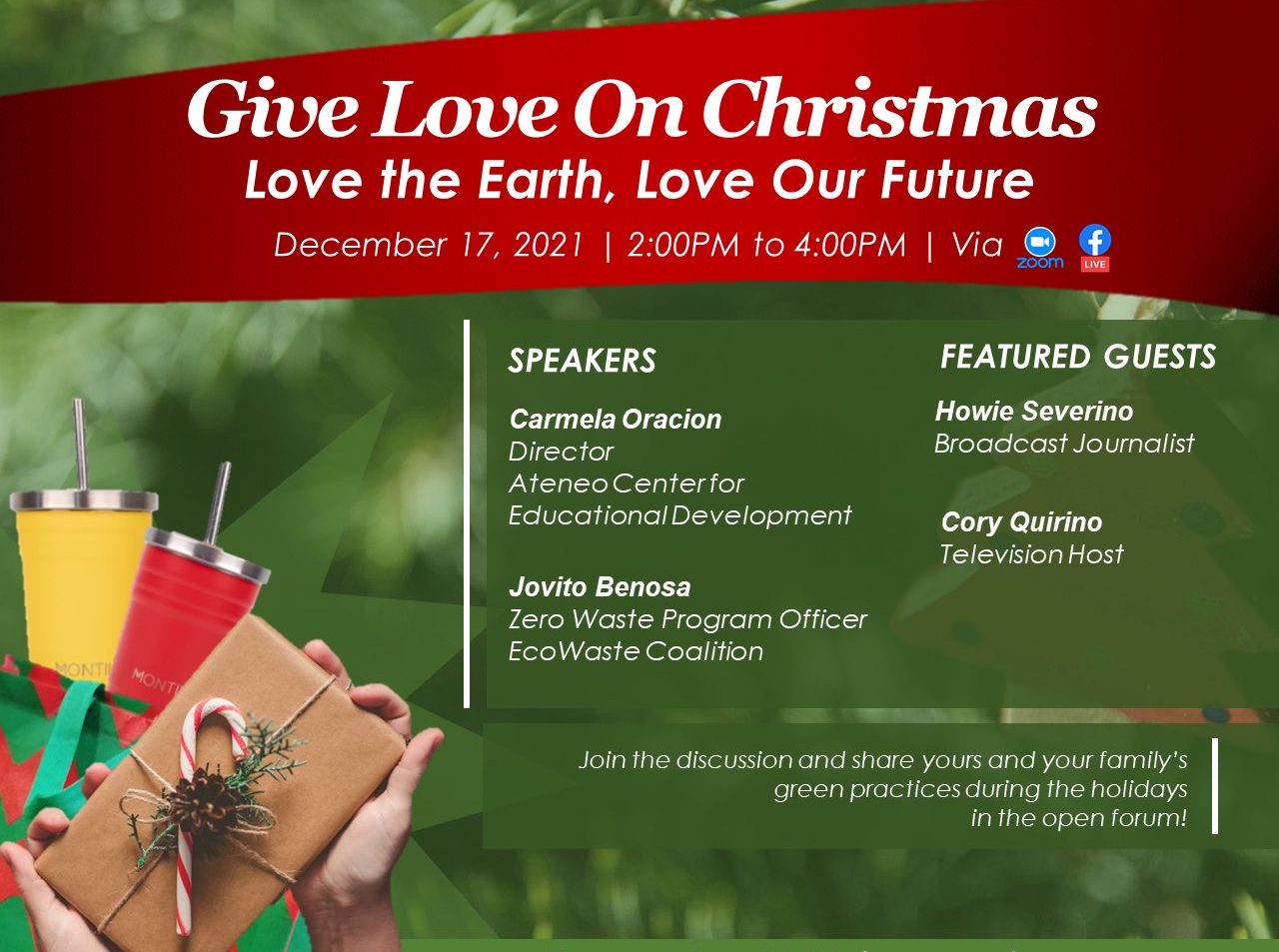
Give Love On Christmas: Love the Earth, Love the Future

Each year, 227,000 miles of wrapping paper, 1 billion Christmas cards, and 300,000 tonnes of card packaging are consumed, subsequently turning into trash and causing pollution. With the humongous amounts of waste generated during the holidays, we need to come up with creative and practical ways of celebrating without burdening the Earth with tons of garbage.

Let us all learn about how we can make our celebrations less harmful and more loving towards the Earth and our future.  Our resource speakers will be imparting valuable ideas on how to have fun and merriment without blowing up our carbon footprint.

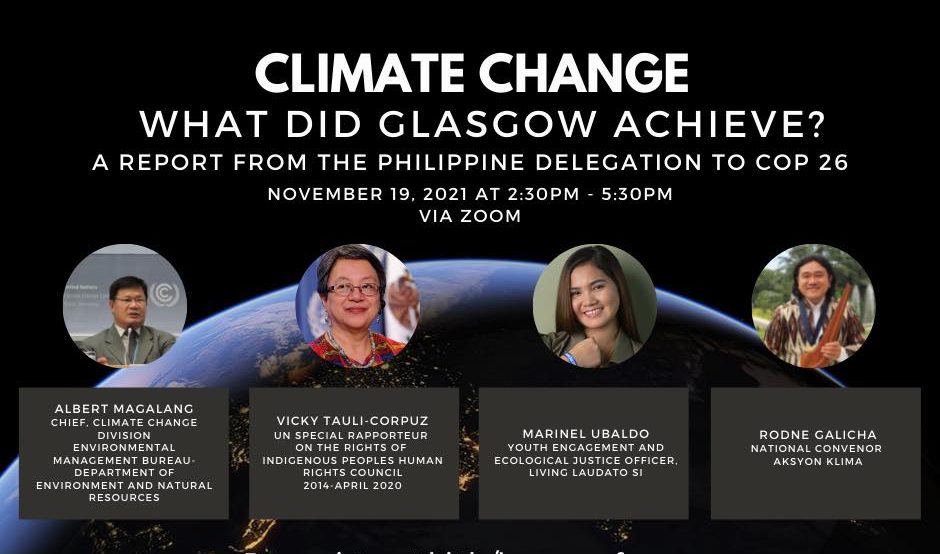
Climate Change: What Did Glasgow Achieve? A Report From the Philippine Delegation to COP 26

The 26th Conference of Parties (or COP 26) of the United Nations Framework Convention on Climate Change (UNFCCC) was recently held in Glasgow, Scotland, United Kingdom, from 31 October to 12 November 2021.

Did the global top-level climate negotiations achieve any significant stride in obtaining country commitments to (1) keep Earth’s temperature within safe limits; (2) address loss and damage from climate impacts, especially in poor and highly vulnerable countries like the Philippines; and (3) implement measures to ensure the sustainability of our planet?

View the full episode via this link:

https://fb.watch/gdWs0qcLrj/

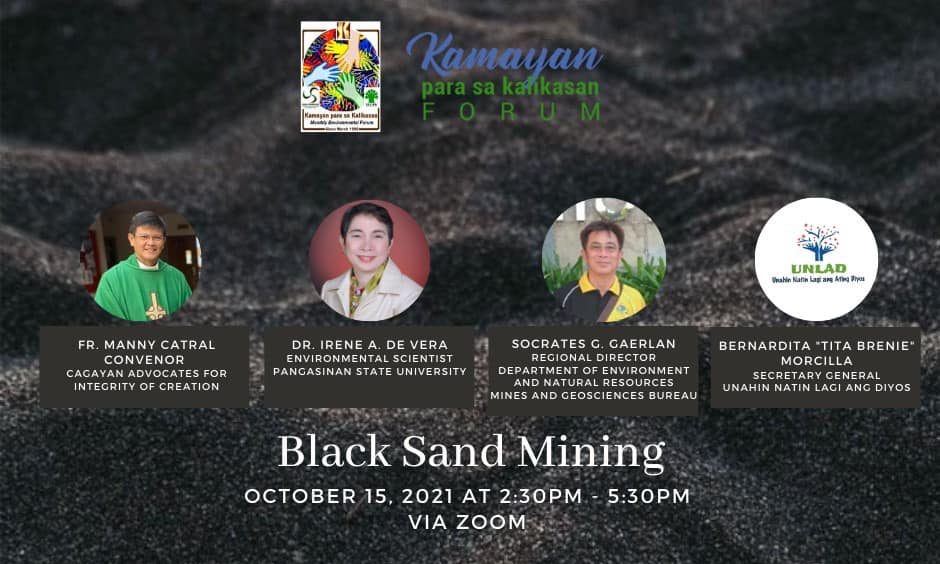
Black Sand Mining

To shed light on the controversies surrounding black sand mining in the Philippines, we have invited stakeholders in this issue to provide us insights and opinions regarding the environmental impacts and possible ultimate outcomes for our country if this type of mining continues.

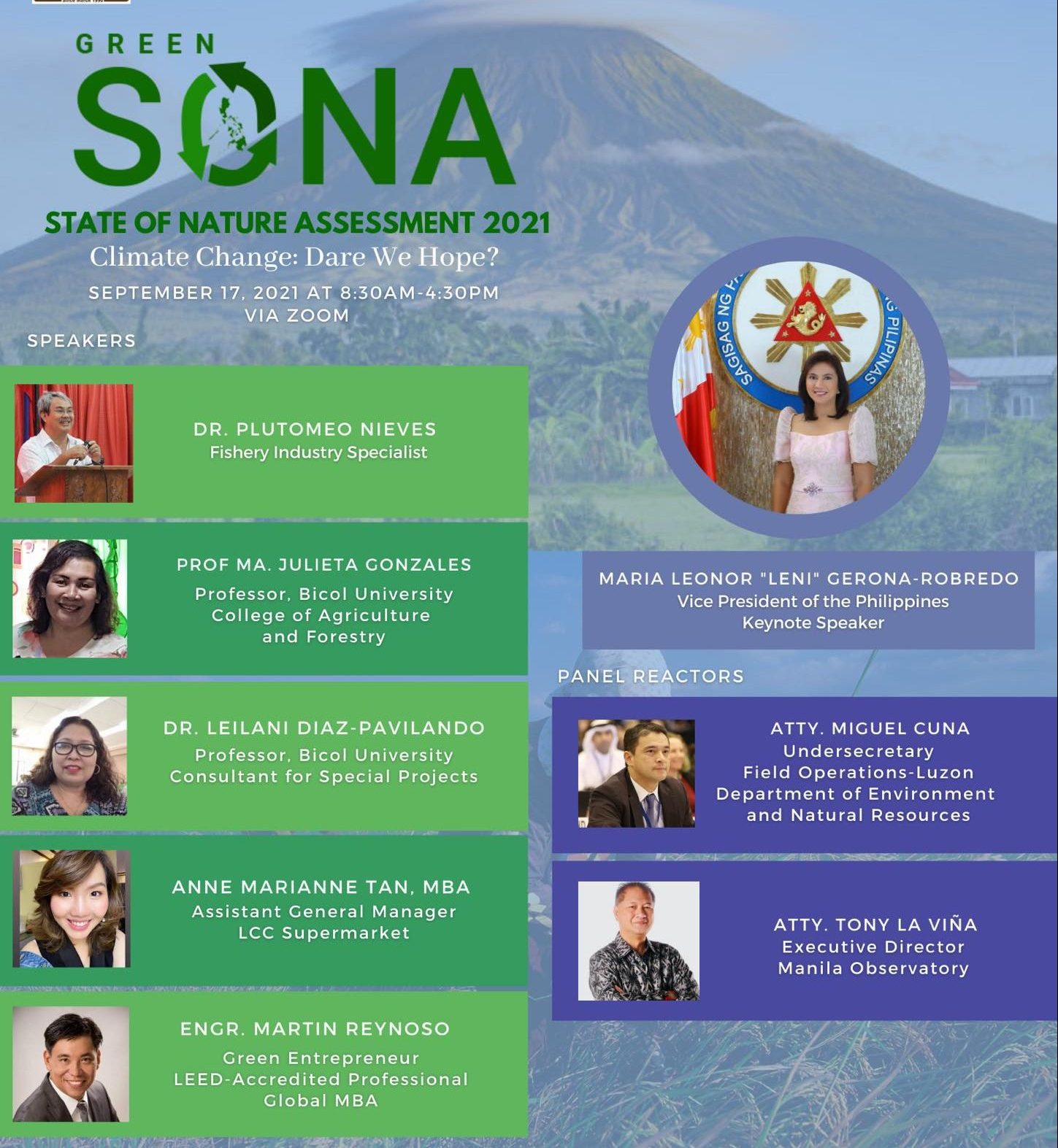
State of Nature Assessment 2021: “Climate Change: Dare to hope”

Year after year, rapidly rising global temperatures are wreaking havoc on the Earth’s climate system, posing a serious threat to Nature and all of humankind. Scientific assessments have established that global warming has worsened steadily since the Industrial Revolution, due to concentrations of heat-trapping greenhouse gases emitted into the atmosphere by human activities such as the burning of fossil fuels, mindless consumerist lifestyles, and unsustainable development practices. For the sake of human survival, a universal call is repeatedly echoed about the
need for expert scientists, world leaders, government and private entities, and the general citizenry to unite in seeking sustainable solutions to the climate crisis.

We invite you to travel with us online as Kamayan Para sa Kalikasan Forum visits Bicol, the local lens from which we are going to spotlight this year’s State of Nature Assessment (Green SONA 2021), entitled, “Climate Change: Dare We Hope?” Join the discussions and learn how you can contribute to implementing sustainable solutions and achieving Climate Neutrality by 2050. Mark the date: September 17, 2021 from 8:30AM to 4:30PM.
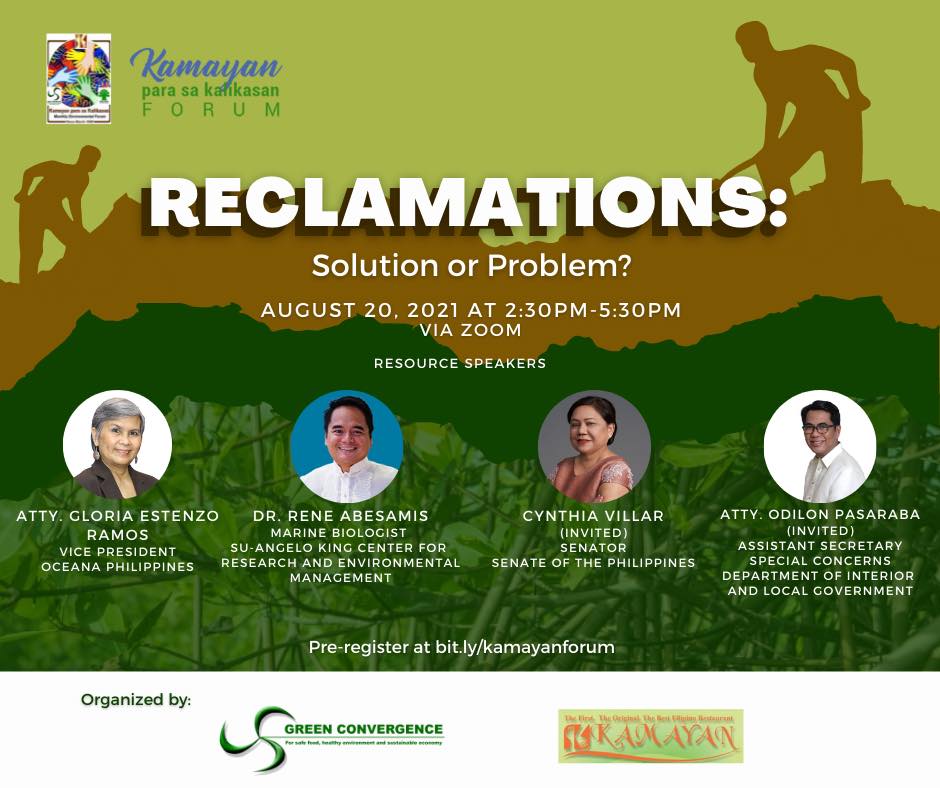
Reclamations: Solution or Problem?

The effects of land reclamation on marine ecology and the coastal environment are gaining attention and being widely studied. It has been found that reclamation may contribute to changes in flooding patterns, cause damage to marine life, and affect the stability of coastal foundations and slopes. With the current proposed and approved reclamation projects in the Philippines, what’s in store for us?

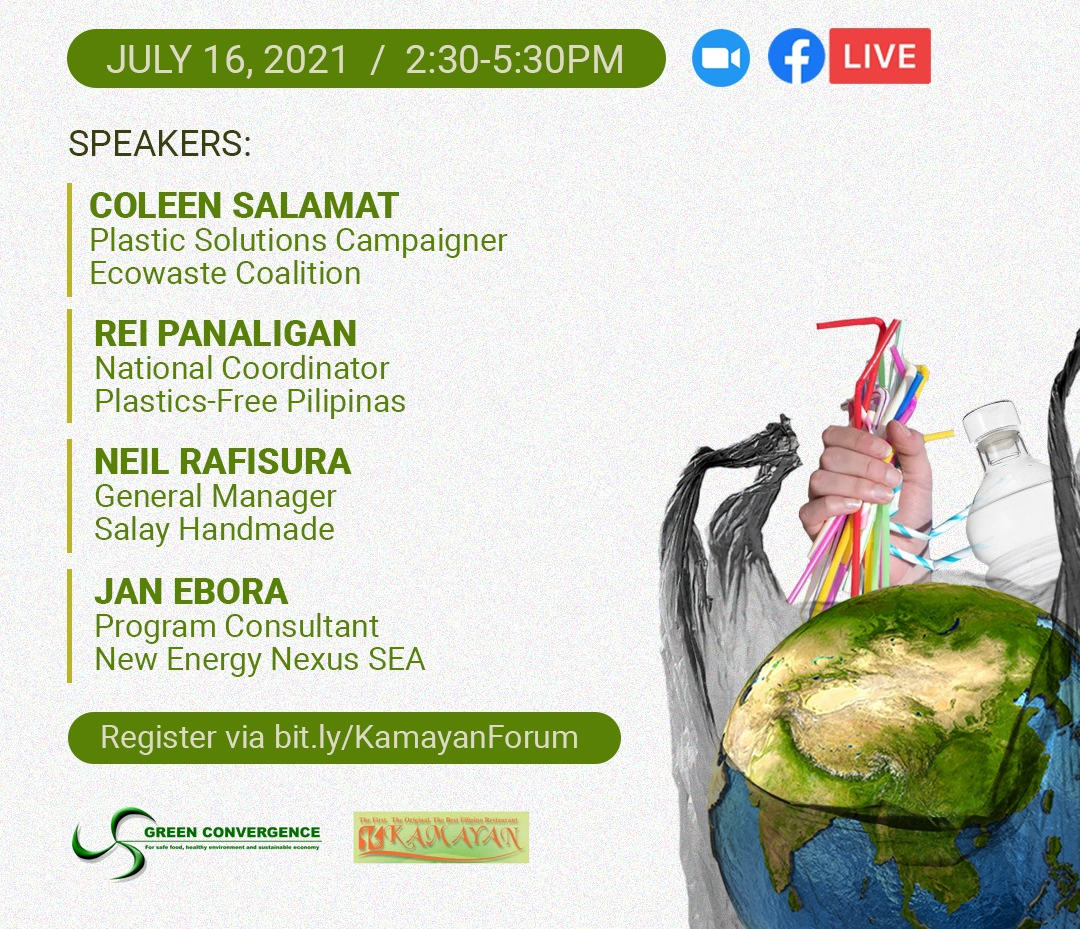
Nature’s Twin Scourges: Plastic and Climate Change

Since the invention of plastic over a hundred years ago, the synthetic material has made its way into every aspect of our life; in food, medicine, clothes, and more, plastic has made our daily tasks more convenient.

Unfortunately, the ease that comes with using plastic has a dark side, and it’s been plaguing our environment slowly but surely. Only less than 10% of all plastics are recycled while the remaining billions of tons of plastic wind up harming wildlife, marine life, and eventually, us humans.