
What’s Happening in Green Convergence: 2016

January 2016: Preparation for the 1st Philippine Environment Summit 2016-Promotion

slide1 slide2

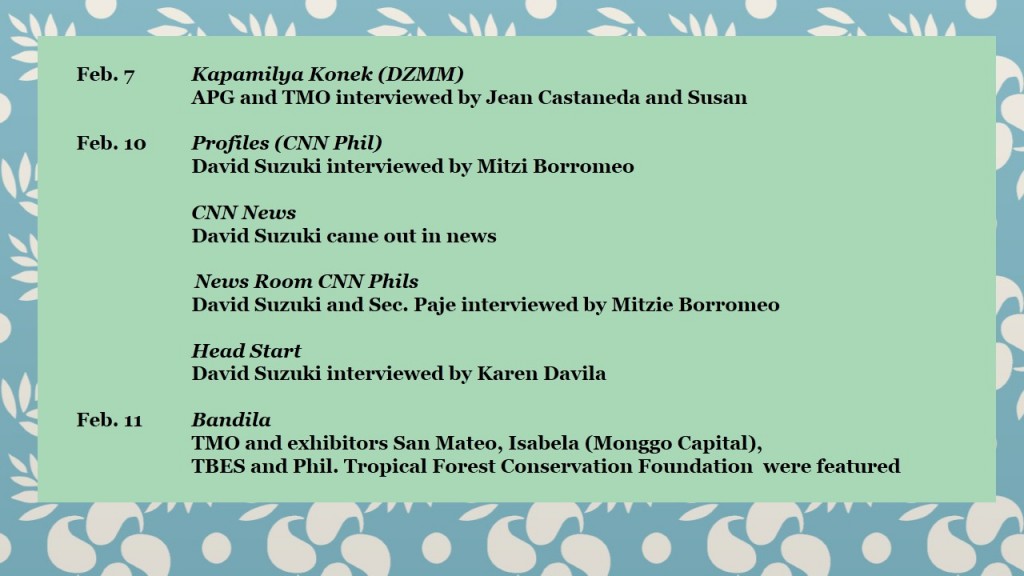
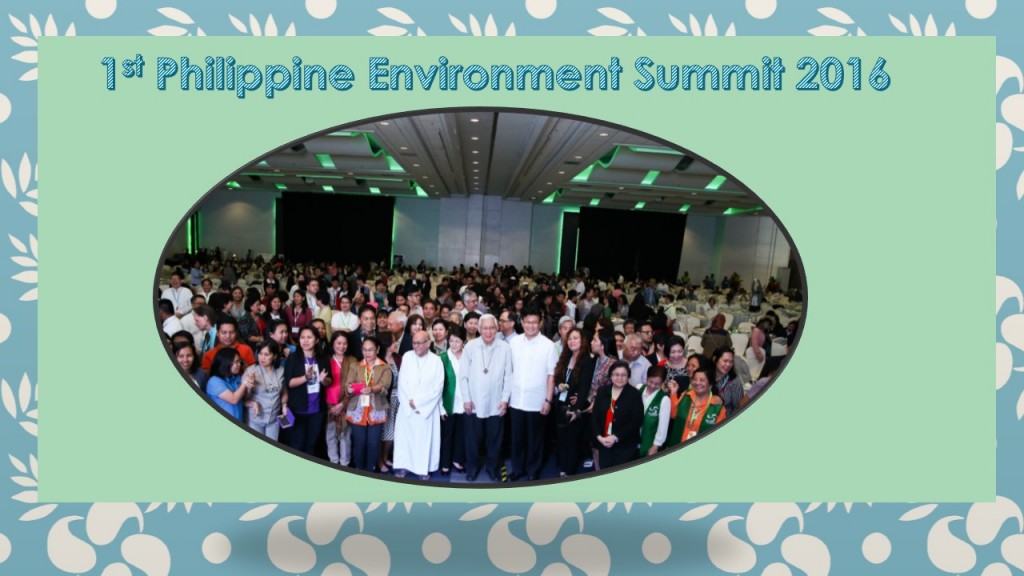
FEBRUARY 9-11, 2016: 1ST PHILIPPINE ENVIRONMENT SUMMIT, SMX CONVENTION CENTER, PASAY CITY
slide3

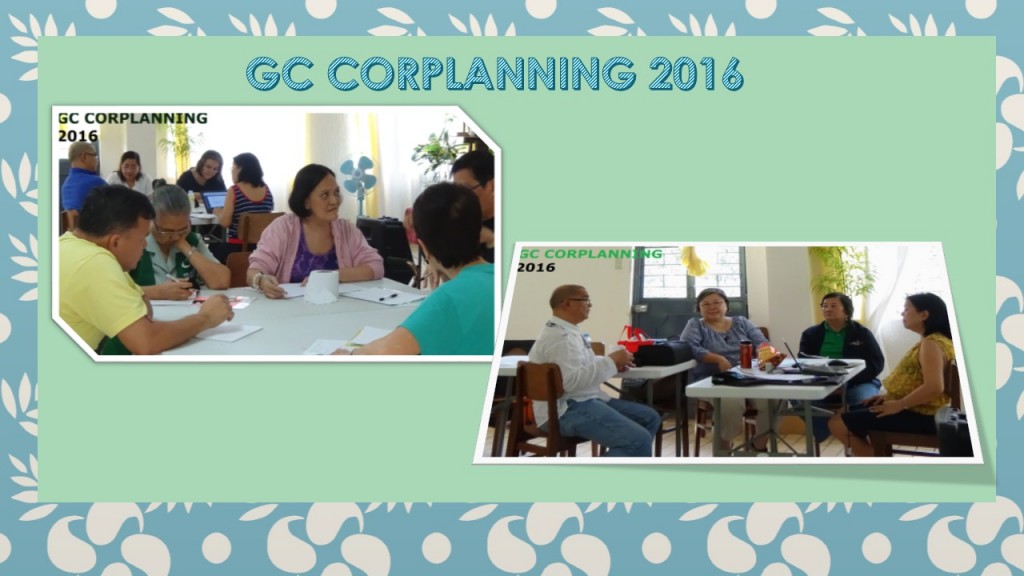
  MARCH 31 – APRIL 1, 2016: GC CORPLANNING, DAUGHTERS OF CHARITY, TAGAYTAY CITY
slide4
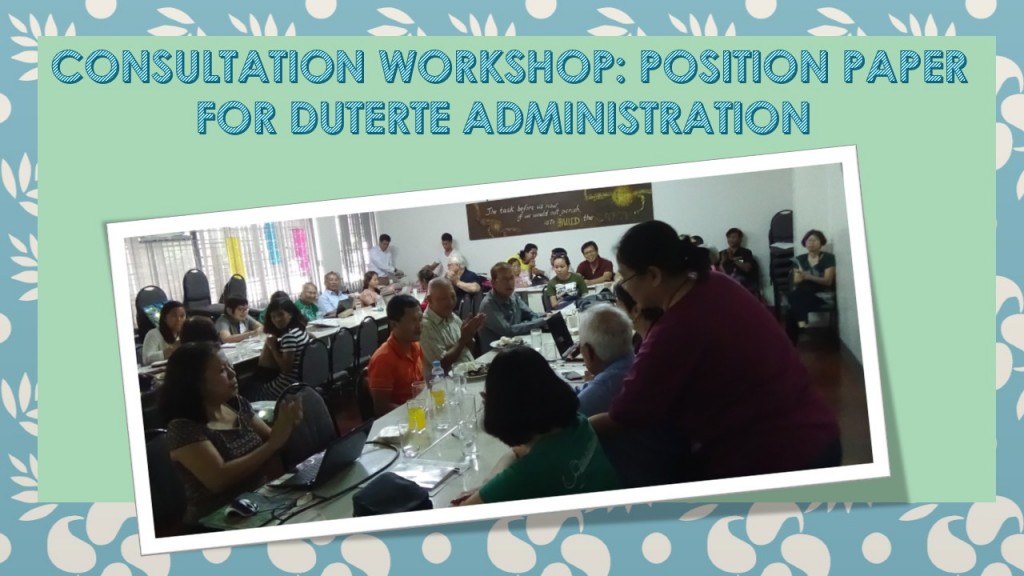
MAY 25, 2016: CONSULTATION WORKSHOP: POSITION PAPER FOR DUTERTE ADMINISTRATION, MMJ SEMINAR ROOM, MIRIAM COLLEGE, QUEZON CITY
slide6

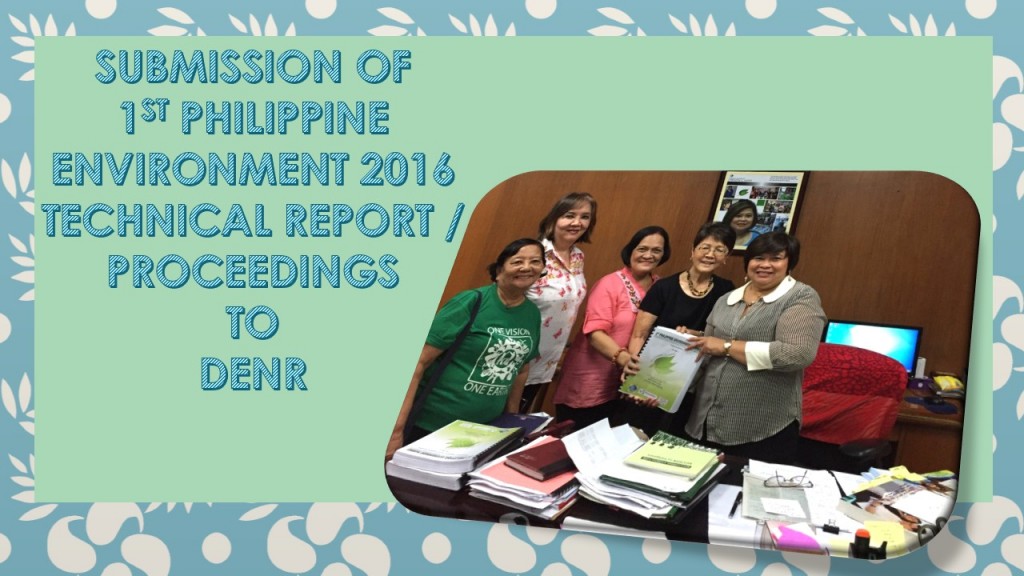
JUNE 2016: SUBMISSION OF TECHNICAL REPORT/PROCEEDINGS TO DENR-GC’s PARTNER IN 1ST PHILIPPINE ENVIRONMENT SUMMIT 2016
slide7

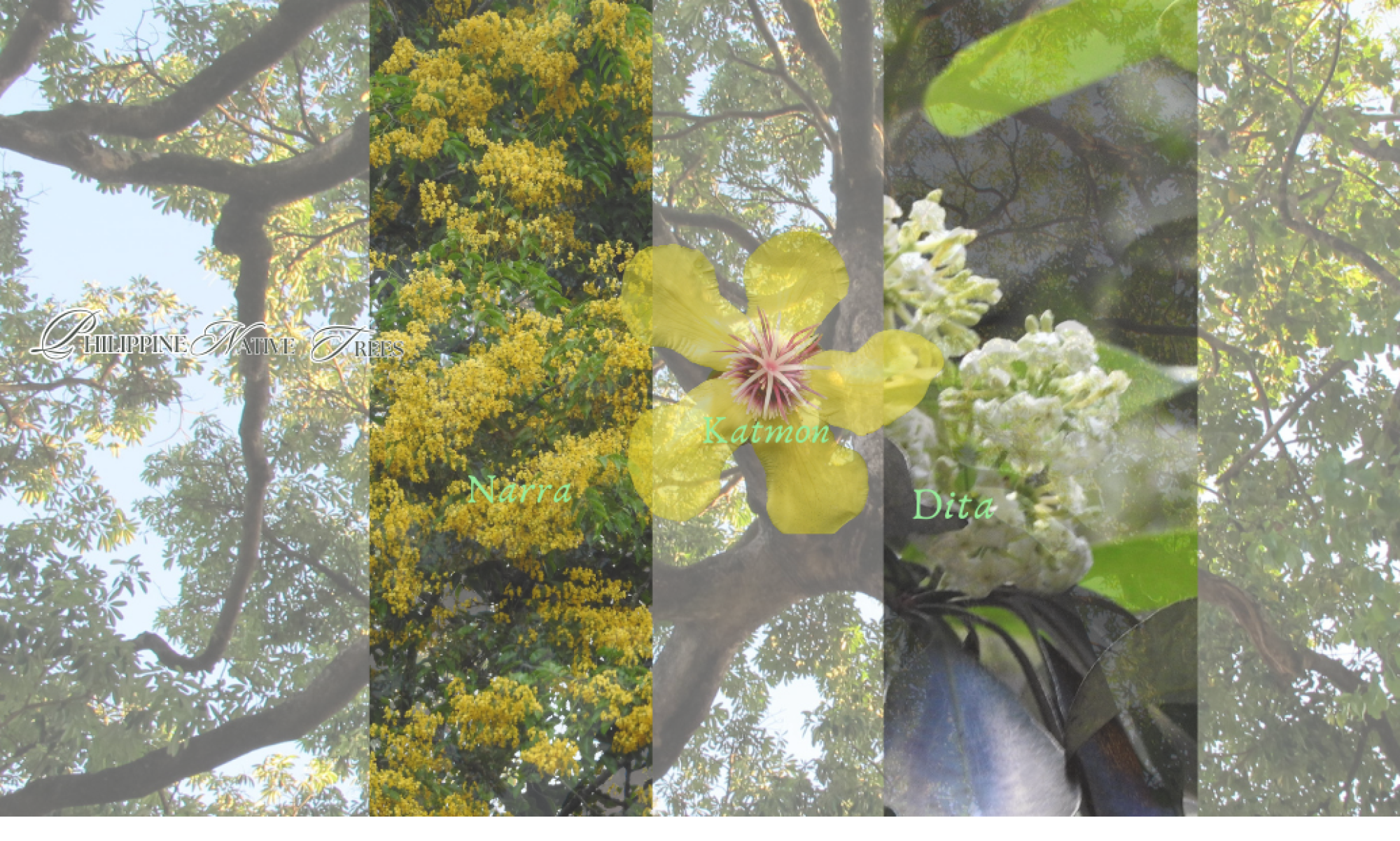
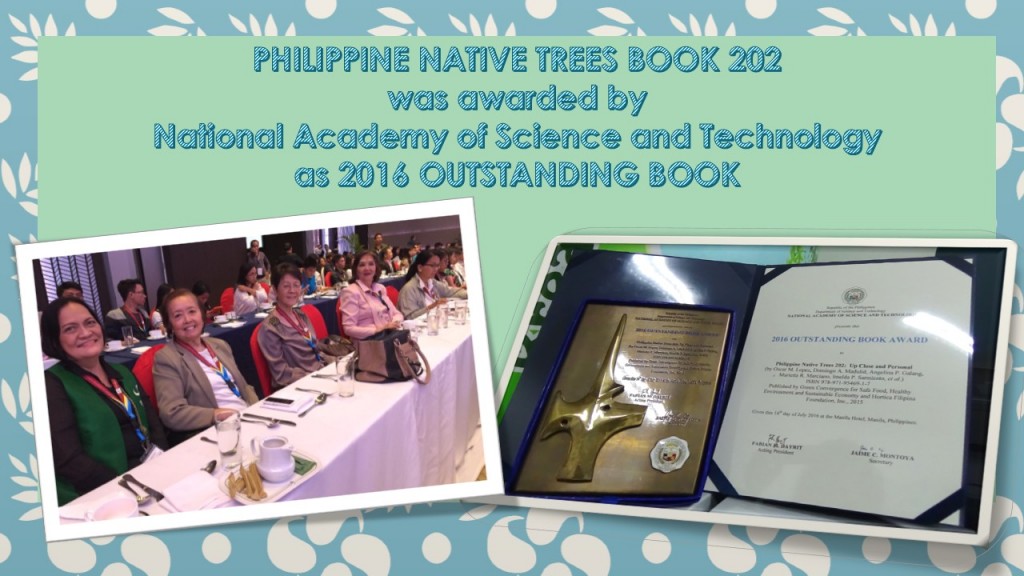
JULY 14, 2016: PHILIPPINE NATIVE TREES BOOK 202 AWARDED AS 2016 OUTSTANDING BOOK BY NATIONAL ACADEMY OF SCIENCE AND TECHNOLOGY, MANILA HOTEL
slide8

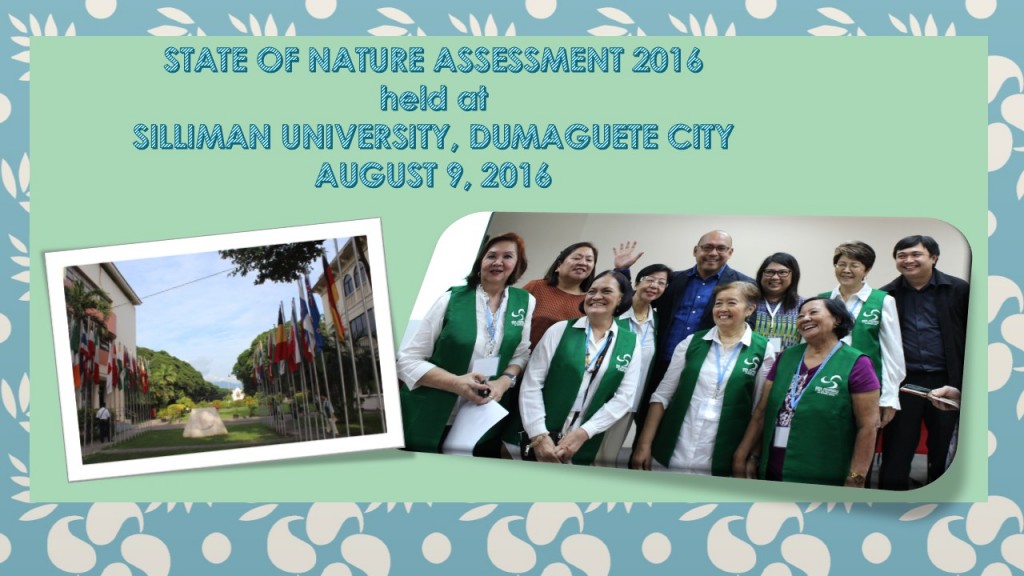
AUGUST 9, 2016: STATE OF NATURE ASSESSMENT 2016, SILLIMAN UNIVERSITY, DUMAGUETE CITY
slide9

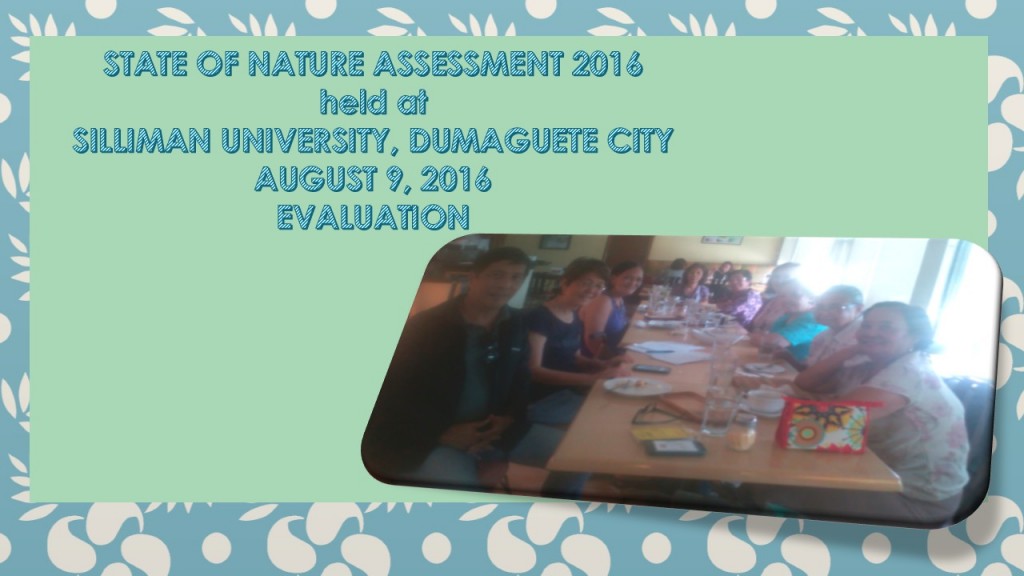
AUGUST 17, 2016: STATE OF NATURE ASSESSMENT 2016 EVALUATION, ICINGS, QUEZON CITY
slide10

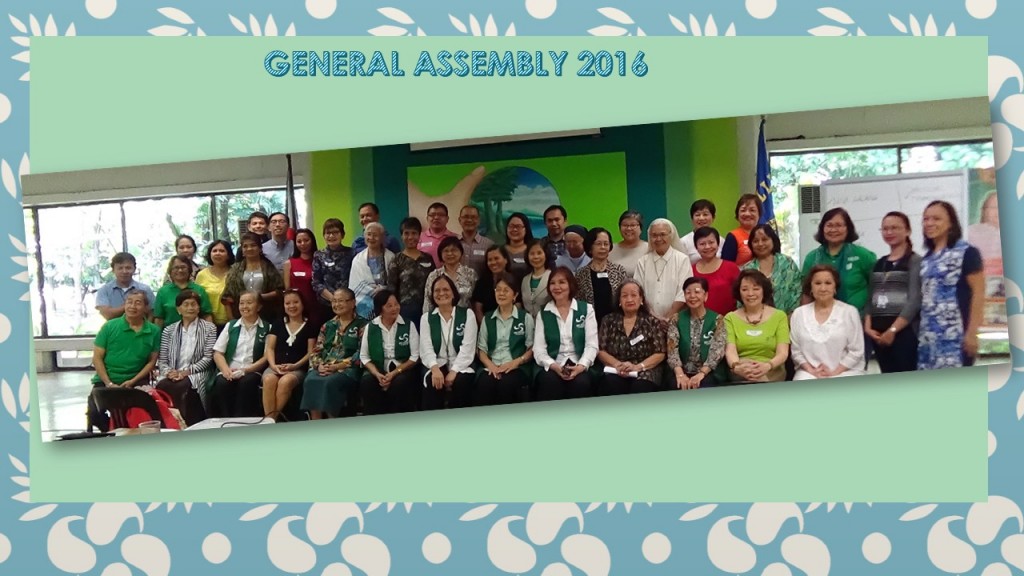
AUGUST 30, 2016: gc general assembly, environmental studies institute, miriam college, quezon city
whats-happening

whats-happening

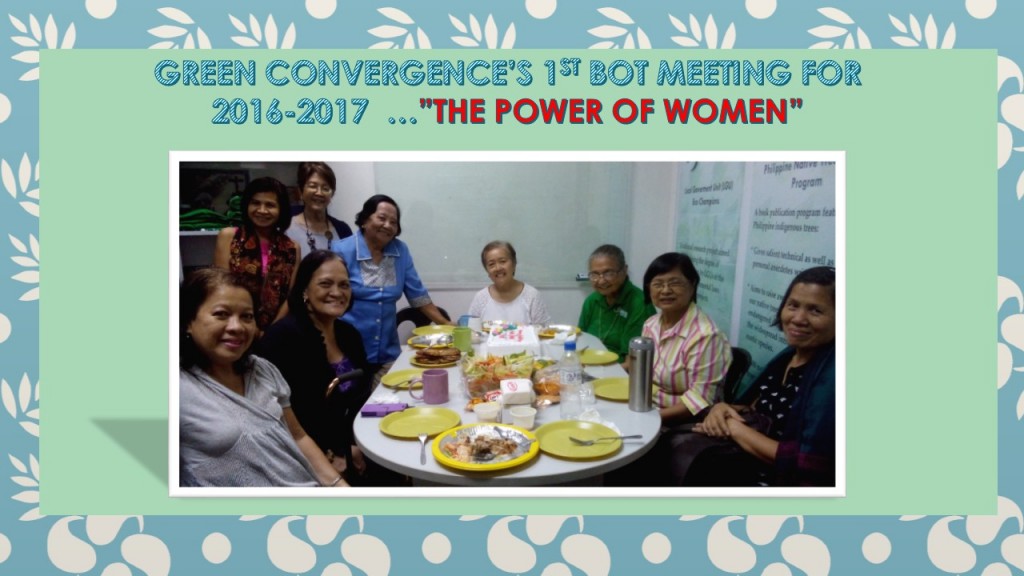
SEPTEMBER 7, 2016: GREEN CONVERGENCE BOT MEETING, project office-PERLAS RM.,CARITAS HALL, MIRIAM COLLEGE, QUEZON CITY
slide-11

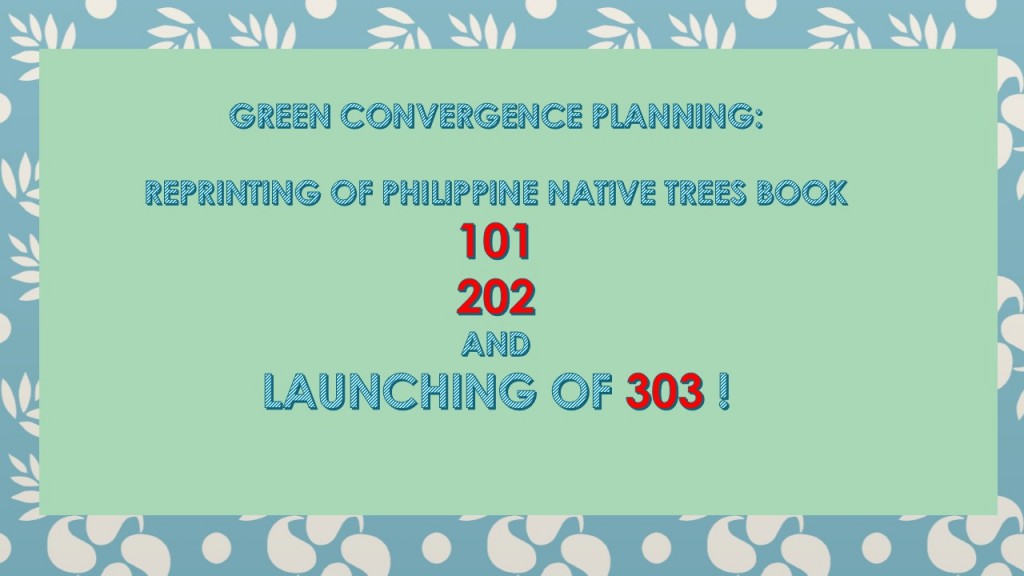
OCTOBER 10, 2016: gc BOT WITH MS. IMELDA SARMIENTO- PROJECT OFFICE, PERLAS RM.,CARITAS HALL, MIRIAM COLLEGE, QUEZON CITY
slide-12-pntb

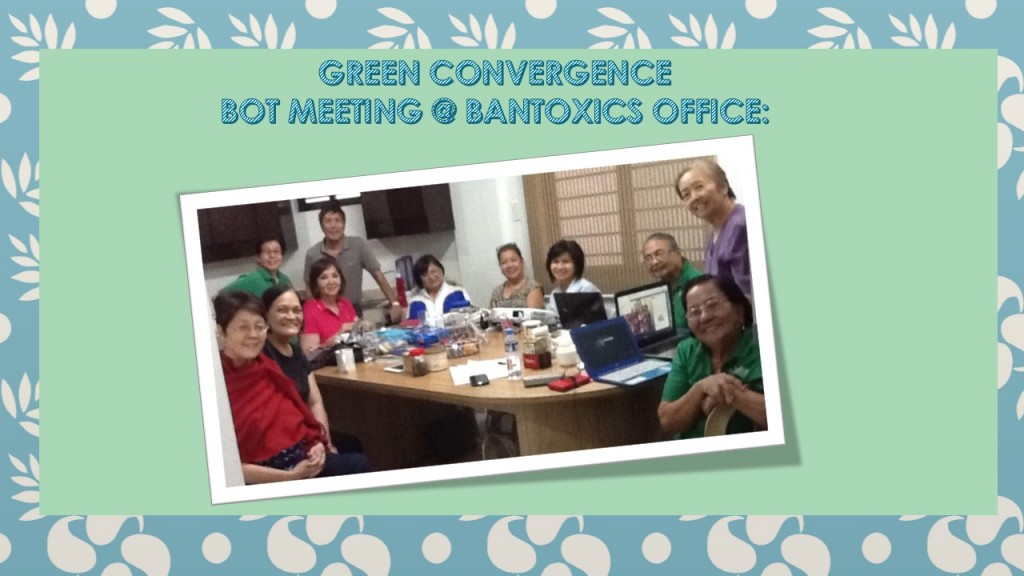
NOVEMBER 11, 2016: GC BOT MEETING AT BANTOXICS OFFICE-sikatuna village, quezon city
nov

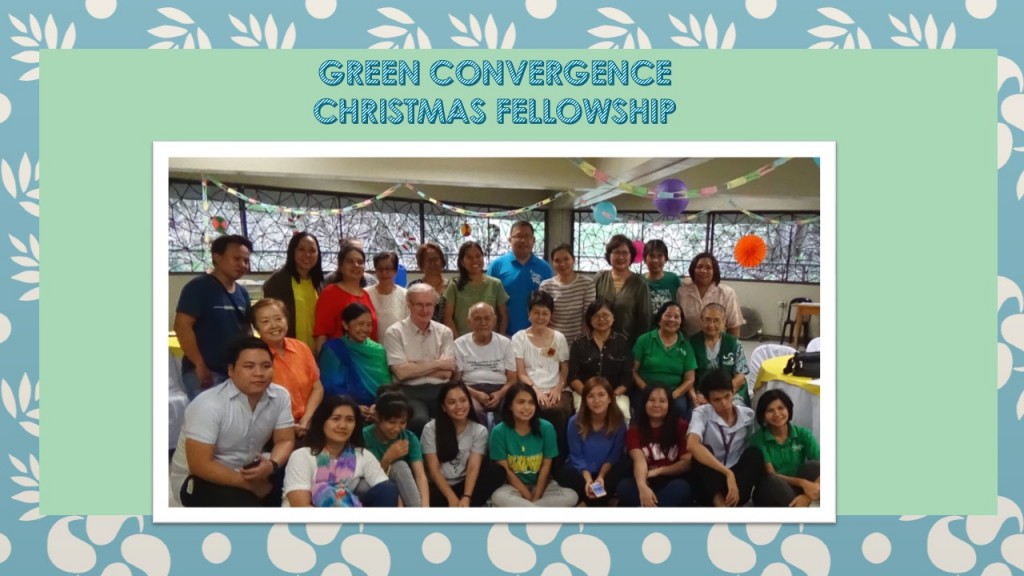
DECEMBER 12, 2016: CHRISTMAS FELLOWSHIP AT ESI, MIRIAM COLLEGE, QUEZON CITY
dec

Piglas Pilipinas

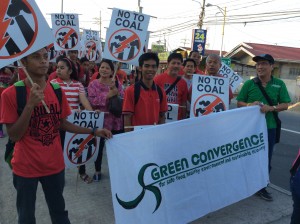
No to Coal Campaign
No to Coal Campaign – Batangas Sports Complex
Over 10,000 people gathered in support of the global movement to break away from the use of fossil fuels to curve too much green house gas emissions, which has caused climate change. The mass was celebrated by Archbishop Arguelles.  The group formed themselves into the PADER – Philippines Against Dirty Energy Resources. The use of red color stood for Respect-Enhance-Defend the environment.

Sustainable Cities & Sustainable Schools

DENR Assistant Secretary Corazon Davis presented the ASEAN Framework for Environmentally Sustainable Cities (ESC) and Eco-schools. ESC are cities or urban areas that are environmentally sustainable while meeting the social and economic needs of the people as outlined in the ASCC Blueprint (2009 – 2015). The ESC Award aims to make ASEAN cities environmentally sustainable by recognizing exemplary efforts and sharing best indigenous practices to keep cities clean, green and liveable.

The National Environmental Awareness and Education Act, alongside with the ASEAN Environmental Education Action Plan (2014-2018) promotes eco-schools. The Philippines’ search for sustainable and eco-friendly schools is a way to popularize environmental schools. The ASEAN eco-schools award provides recognition in the region.

Traditional Knowledge in Environmental Governance

Early humans have enjoyed close relationship with nature as indicated by the knowledge, innovations, and practices of indigenous and local communities. The case study of the Ifugaos, entitled Community-based Monitoring System for Restoring Balance, described their traditional monitoring and management systems like the “do nothing” to minimal economic activities and resource sharing. Threats to indigenous way of life include land use change and media. The indigenous territory management and indigenous socio-political cultural systems embrace respect in fellow human beings, sustainable use, equitable sharing of resources, access and benefit sharing.

Ecosystem Governance

The principles in ecosystem governance that Mayor Maquiabas employed in running their municipality’s activities include:

– Strengthening leadership cognizant to better risk reduction and management, and climate change adaptation initiatives
– Building a culture that is committed to the preservation of the environment
– Building people for peace and development, by way of people empowerment thru continuing education and community participation
– Demonstrating local green action and political will

SALt Lamp

The SALt Lamp is a lamp with 90 lumens equivalent to seven candlepower powered by saltwater thus it can light up those in the coastal communities and those in the remotest barrios in the hinterlands. With two tablespoons of salt in one glass of tap water, the lamp runs for eight (8) hours. It is cost effective, safe and environment-friendly.

With the objective of lighting up sustainably the whole nation and to help the poor, Engr. Mijeno and her organization is working with NGOs, LGUs and charitable institutions to mass produce the SALt Lamp. It is currently in retail and to be able to help the poor, for every lamp you purchase, one is given to a selected family.


You must be logged in to view this content. Free Virtual Library Registration Here

Micro-mini Dams

Hedcor, a subsidiary of Aboitiz Power Corporation is the leading developer of run- off-river hydropower plants in the Philippines for 37 years. It develops energy sources that are locally available, can be constantly replenished, and have little adverse effects to the environment. The Run-off River Scheme is a type of hydropower generation that uses the natural flow and elevation drop of a river to generate electricity.

The company has developed and built several hydro power facilities across the country. The host communities where these hydropower plants are constructed benefit from the paid taxes, social and infrastructure projects, reforestation activities, adoption of rivers and collection of waste, as well as employment.


You must be logged in to view this content. Free Virtual Library Registration Here

Green Economic Development: Driver for Competitiveness and Innovation of the Industry and Services in the Philippines

The Green Growth Program of DTI

Climate Smart Industries and Services is one of the desired outcomes in the 2010 National Climate Change Action Plan (NCCAP). Climate change and green growth is one of the future-oriented themes in the 2011 – 2016 Micro, Small and Medium Enterprise (MSME) Development Plan.

Similarly, in Chapter 3 of the Competitive Industry and Service Sectors of the 2011
– 2016 Philippine Development Plan (PDP), “greening” was introduced by the Department of Trade and Industries (DTI). The DTI works together with a number of Development Partners such as USAID, EU, Canada and Global Green Growth Institute, on “Green Economic Development”. In 2013, DTI and GIZ started a joint project called Promotion of Green Economic Development (ProGED) in Cebu and Bohol with the value chain of tourism. Since March 2014, the ProGED approach was replicated in 17 more provinces in 7 Regions spread over Luzon, Visayas, and Mindanao. The project covers the priority sectors in these provinces like food processing, handicrafts, and coffee in addition to tourism. It works along three lines of intervention: (1) Information and awareness on GED;
(2) Green service facilitation and matchmaking; (3) and Green framework conditions.

About 99.6% of all companies registered in the Philippines are micro, small and medium enterprises (MSMEs). MSMEs should consider seven environmental hotspots to green their processes, products and services: 1) Energy efficiency and renewable energy;
2) Water and wastewater; 3) Solid and toxic waste management; 4) Transport management; 5) Local supplies; 6) Raw materials; and 7) Natural resources management. The DTI has already “greenstreamed” environment-friendly and climate smart business strategies into its major MSME promotion instruments: SMERA, SSF, industry cluster development, product design, Negosyo Centers. The DTI will actively promote the shift of the Philippine economy towards a low carbon, innovative, competitive and climate smart business sector.


You must be logged in to view this content. Free Virtual Library Registration Here

Community-based Renewable Energy Systems (CBRES) Model

Community-based Renewable Energy Systems (CBRES) is a model for renewable energy development that has been promoted by SIBAT since 1995. It provides need- based energy, and in the rural context of the country, these are household and community lighting, community services, livelihood, and non-power needs. It can provide reliable, affordable and adequate energy access to communities. Aside from SIBAT’s CBRES, there are 61 community-based renewable energy micro hydro power systems in the Cordillera Administrative Region.

A CBRES is managed by the community. The organization formulates the policies that govern tariff payments, utilization, technical and financial management, protection of the watershed with local support from LGU, provincial agencies, local parish. The CBRES is said to be ecological because micro hydro can help reduce emission by 4 tons carbon dioxide per kilowatt per year when operating for 24 hours per day and it requires the conservation of watershed catchment.

The Community-based Micro hydro Power (MHP) in Kili, Tubo, Abra is an example of CBRES. It supplies power to an off-grid upland community of Maeng Tribe in Cordillera Administrative Region, a community that lives on terraced rice farming. The 16-killowatt MHP was built in 2010 and serves 60 households by tapping the headwaters of Desay

Falls. The CBRES organization leads in the development of policies on tariff, usage, maintenance and care of the system.


You must be logged in to view this content. Free Virtual Library Registration Here

Prayer from the NGOs

God of Glory, God of Grace, we lament the destruction that our greed, consumerism, and endless pursuit of “more” have wrought upon Your beautiful creation. We repent for the misguided choices that we have made and the resulting fragility, devastation, and spoiling of Your earth, Your air, Your seas, and Your creatures. Open our eyes, Lord, that we might follow Your path.

We pray for the preservation of wildlife habitats, for the strength of old growth forests, for the health of the oceans, and for the purity of the air.

We pray for the well-being of all of the beautiful creatures of God’s great earth, especially those that are endangered and facing extinction.

We pray for those in government: our national leaders, our local leaders and government service workers, and those who represent us in the Batasang Pambansa and in the Senate: that You might give them wisdom and courage to discern Your will and Your way.

We pray for all those gathered here today, for people of different faiths, and for environmentalists. May they all be guided by Your goodness, Your wisdom, and Your grace. Amen.