State of Nature Assessment 2017: Resolutions
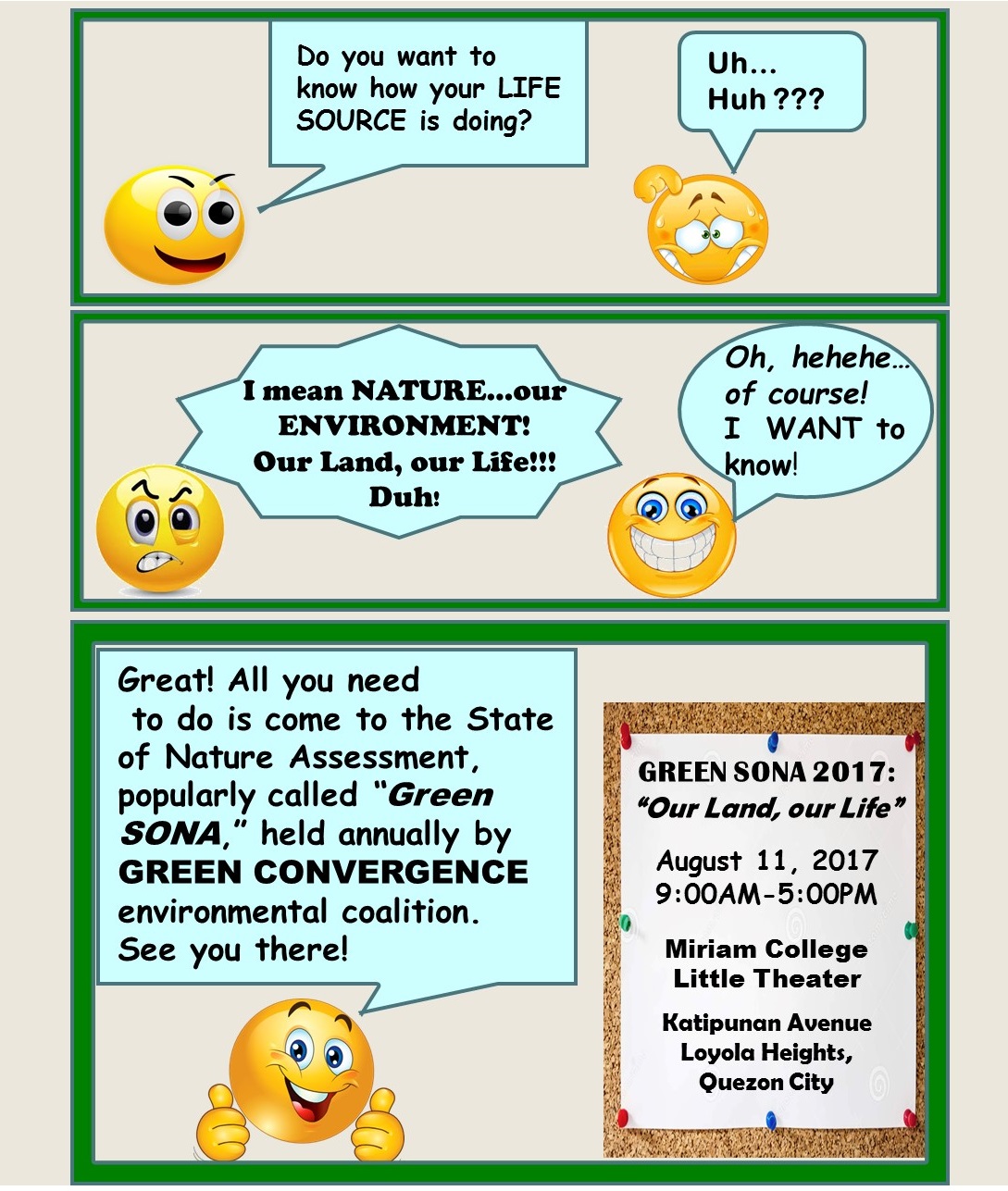
STATE OF NATURE ASSESSMENT 2017
“Our Land, Our Life”
August 11, 2017; Little Theater, Miriam College
RESOLUTIONS
Whereas the Philippines is archipelagic, mountainous and volcanic, blessed with inherent ecosystems and natural elements that maintain and preserve the richness of its biodiversity;
Whereas the Northern Sierra Madre Natural Park (NSMNP) is the largest and most diverse protected area in the Philippines, home to some of our most treasured species found only in the Philippines;
Whereas our natural ecosystems from ridge to reef provide ecological services to Filipinos and are the lifeline against the ill effects of climate change;
Whereas the Philippines is home to Indigenous Peoples whose culture and resource use have integrated respect for the environment and sustainable management of natural resources;
Whereas our rich biodiversity and unique natural features have gained world recognition;
Whereas our exclusive rights to use and enjoy the marine wealth in the West Philippine Sea was confirmed by the ruling of our claims under the United Nations Convention on the Law of the Sea;
Whereas current developments could lead to irreversible environmental, social and cultural degradation;
We, the attendees of the State of Nature Assessment : Our Land, Our Life, sponsored by Green Convergence held this August 11, 2017 at the Little Theater of Miriam College call on government to:
- STOP the construction of the Isabela Ilagan-Divilacan Road and Kaliwa-Laiban Dam that would put vulnerable ecosystems and communities in Sierra Madre Natural Park to further risks, causing loss of ecological services, genetic diversity, and climate change mitigation;
- STOP chemical agriculture and use of GMOs and SHIFT to organic farming that prioritizes food security of Filipinos above global market and ensures food safety, health and economic well-being of the Filipinos and protects our land and environment.
- UPDATE GIS mapping using ecosystem approach to include ridge to reef planning, to enhance knowledge of communities in climate change resiliency, disaster risk management.
- PASS the National Land Use Act (NLUA).
- IMPLEMENT RA 6716 mandating rainwater collection.
- DISALLOW all mining and quarrying operations and huge hydro-power projects in watershed areas.
- HALT the expansion of all palm plantations and take immediate measures to counter its negative impact on indigenous people, environment, social justice and sustainable development.
- UPHOLD as non-negotiable in dealing with territorial disputes our constitution XII, Sec. 2: “The State shall protect the nation’s marine wealth in its archipelagic waters, territorial sea, and exclusive economic zone, and reserve its use and enjoyment exclusively to Filipino citizens, ” and the decision of UNCLOS favoring the Philippine territorial claims on West Philippine Sea.
FOR OUR PART, we resolve to:
- LOBBY the government to adopt an ecological paradigm in its development plan;
- UNITE to undertake actions on our advocacy that are socially inclusive and economically beneficial;
- INVOKE the Writ of Kalikasan against violators of environmental laws especially those that have large impact on people and nature. 3.1 especially the political & business personalities that are behind the construction of the IIigan-Divilian road and the airport; 3.2 people behind the expansion of palm oil plantations
- SYNERGIZE our efforts for maximum efficiency and effectiveness by collating initiatives undertaken by groups and organizations, identifying gaps and working together to close these gaps.
GLOBAL CLIMATE CHANGE MOVEMENT-PILIPINAS “WALK FOR CREATION”: SEPTEMBER 1, 2017

GREEN SONA 2017

State of Nature Assessment 2017
What’s Happening in Green Convergence: 2017
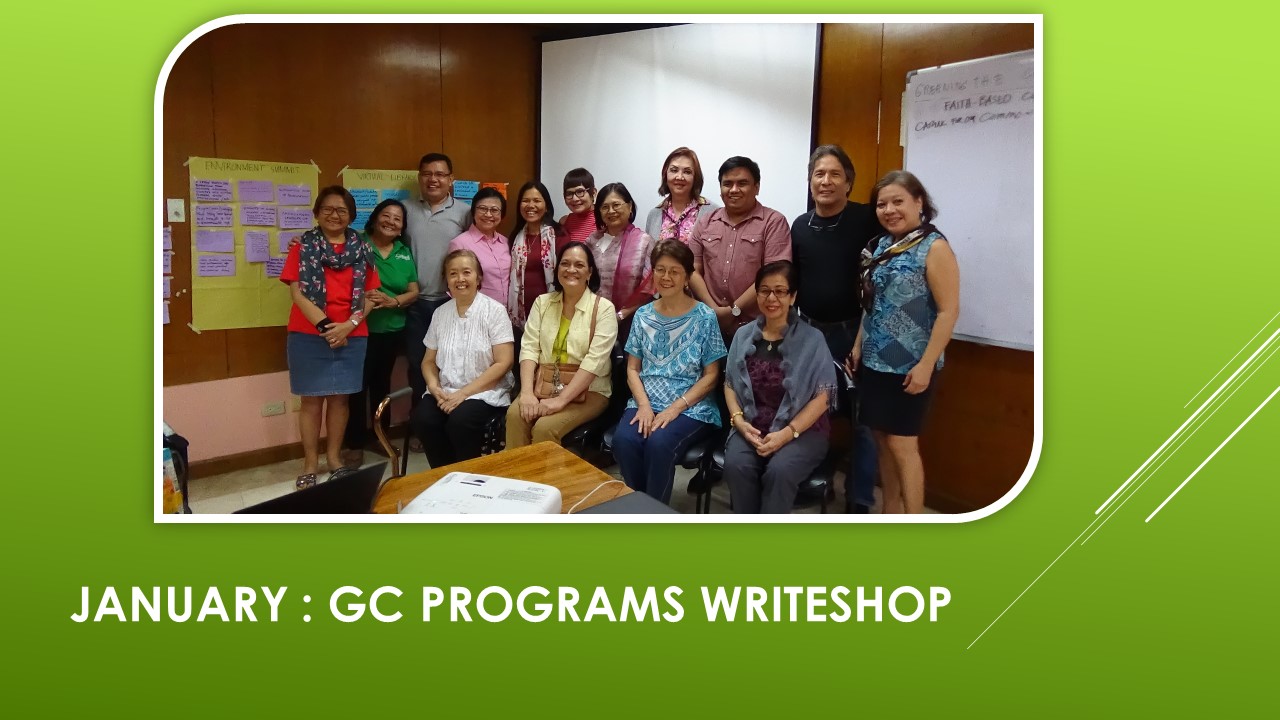
JANUARY 2017: A WRITESHOP, DAY 1- PRRM AND DAY 2-UNIVERSITY HOTEL
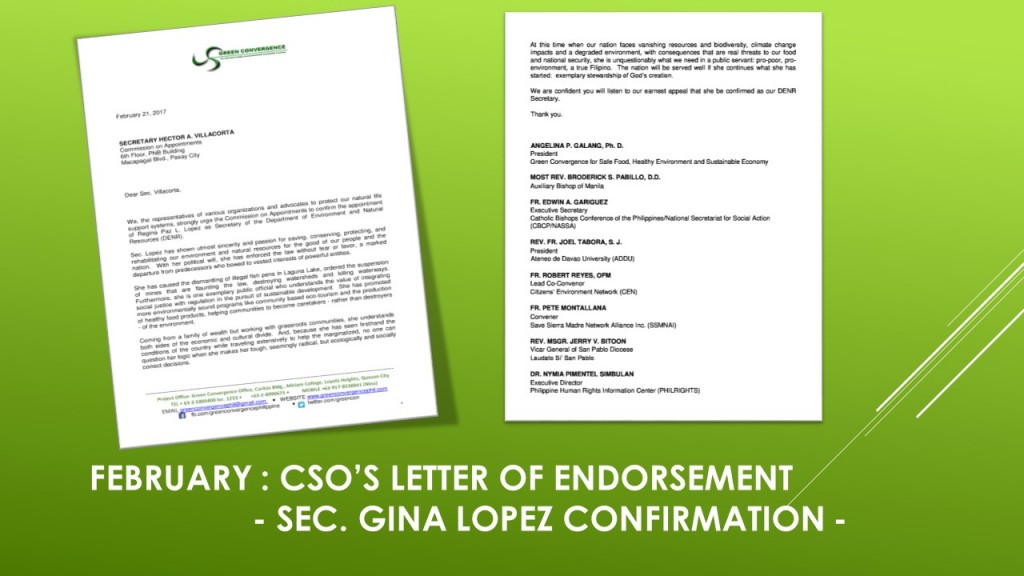
FEBRUARY 2017: LETTER OF ENDORSEMENT TO CA, SENATE AND CONGRESS
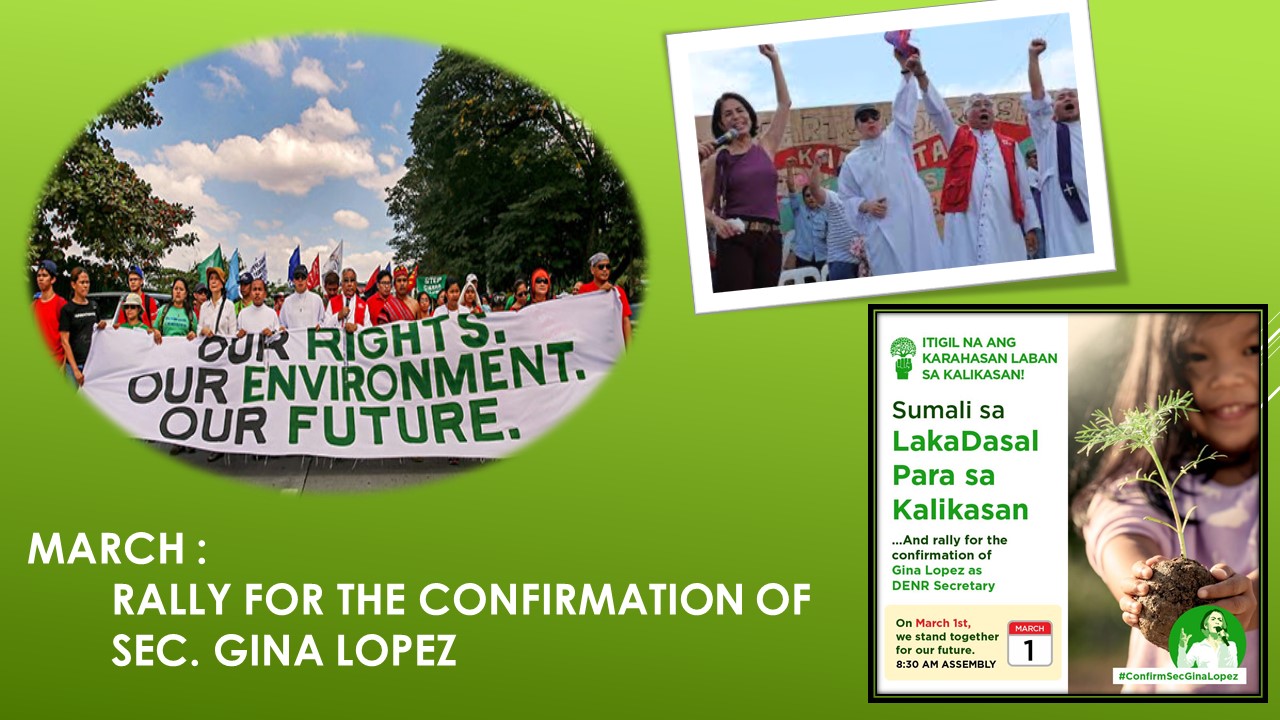
MARCH 2017: A MARCH TO SENATE
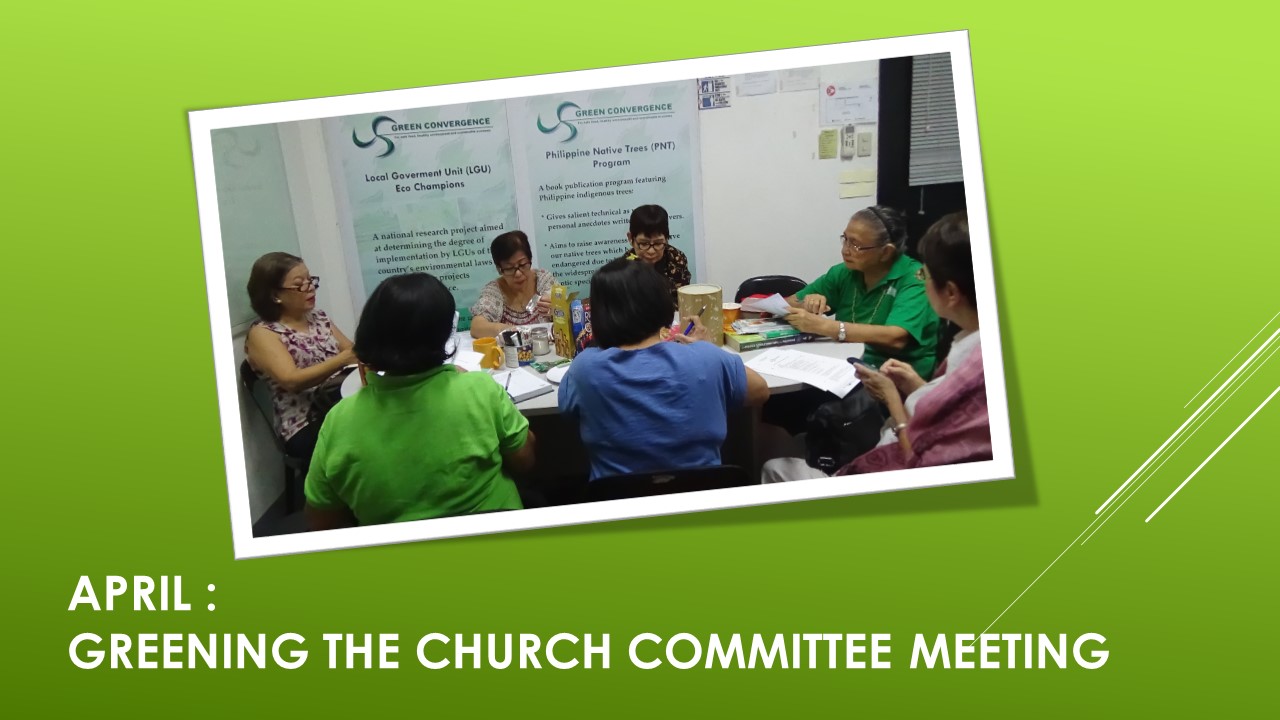
APRIL 2017: GC’S GREENING THE CHURCH ADVOCACY
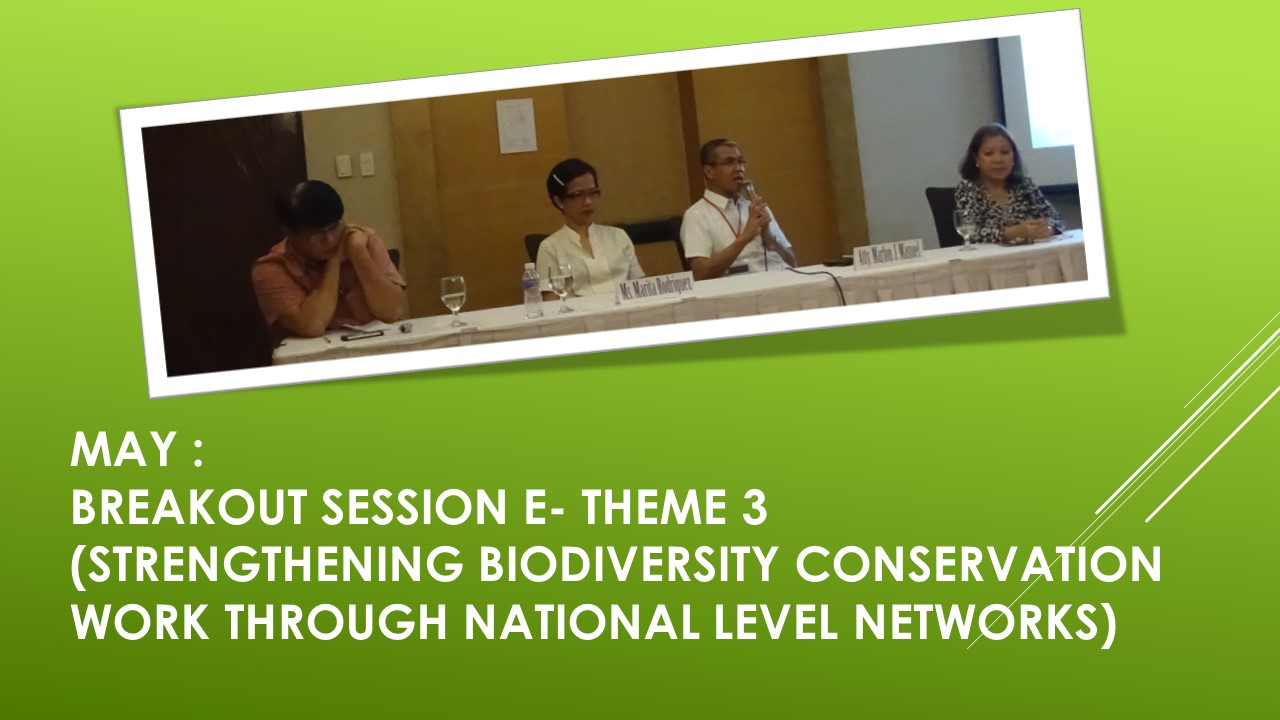
MAY 2017: FIRST NATIONAL BIODIVERSITY CONGRESS, 23TH MAY 2017, CROWNE PLAZA HOTEL
MS. MA. TERESA M. OLIVA, EXECUTIVE DIRECTOR, GREEN CONVERGENCE (SPEAKER)
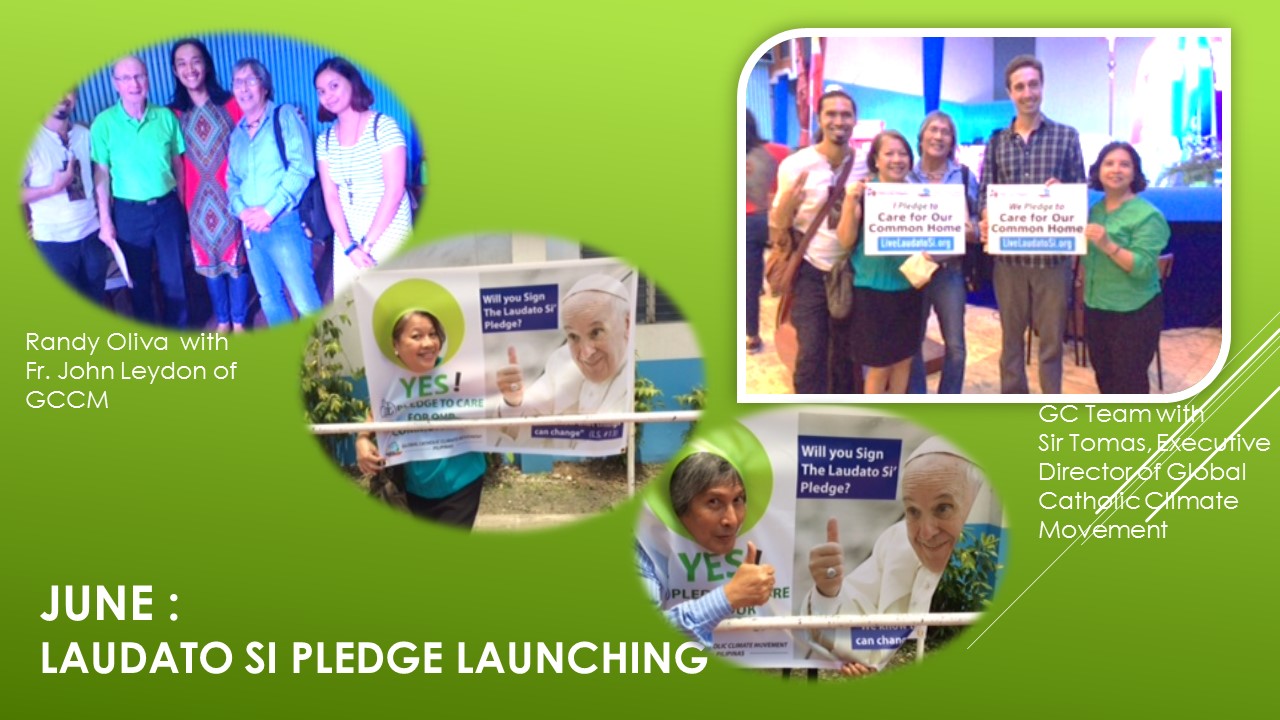
JUNE 2017: LAUDATO SI PLEDGE LAUNCHING, 18TH JUNE 2017, LA CONSOLACION COLLEGE, MANILA
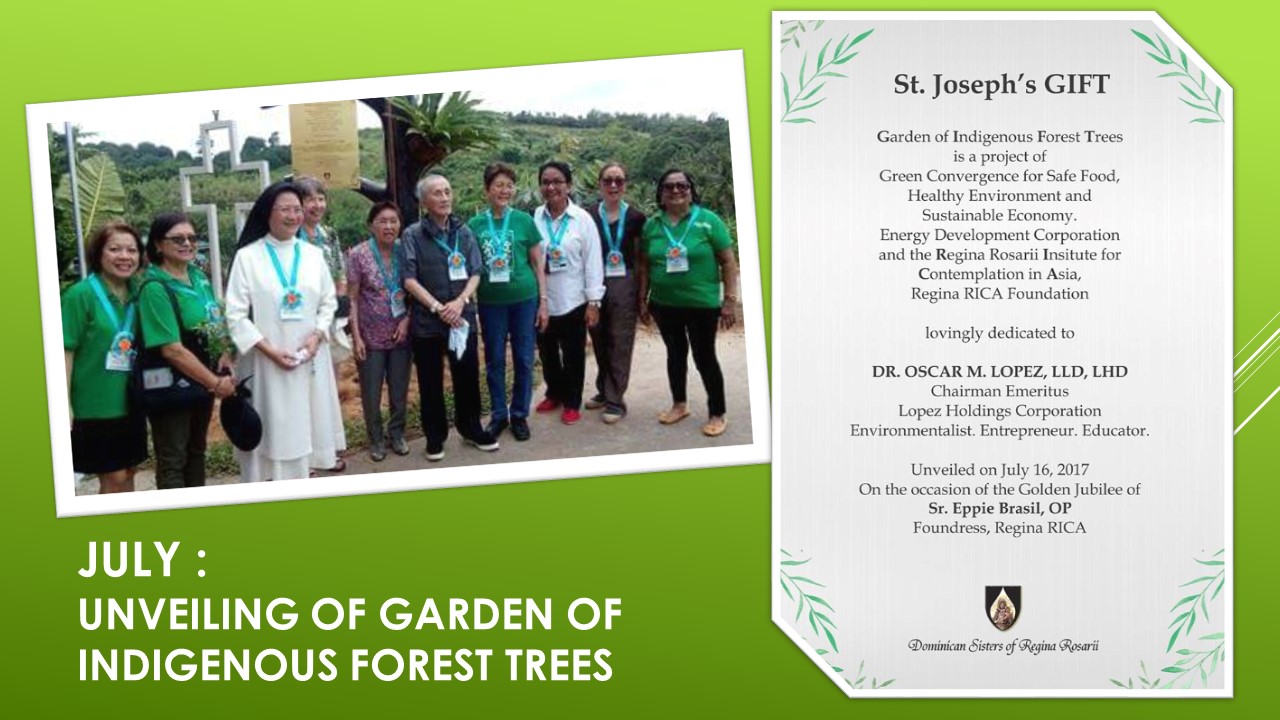
JULY 2017: UNVEILING: GARDEN OF INDIGENOUS FOREST TREES, 16TH JULY 2017, REGINA RICA, TANAY RIZAL
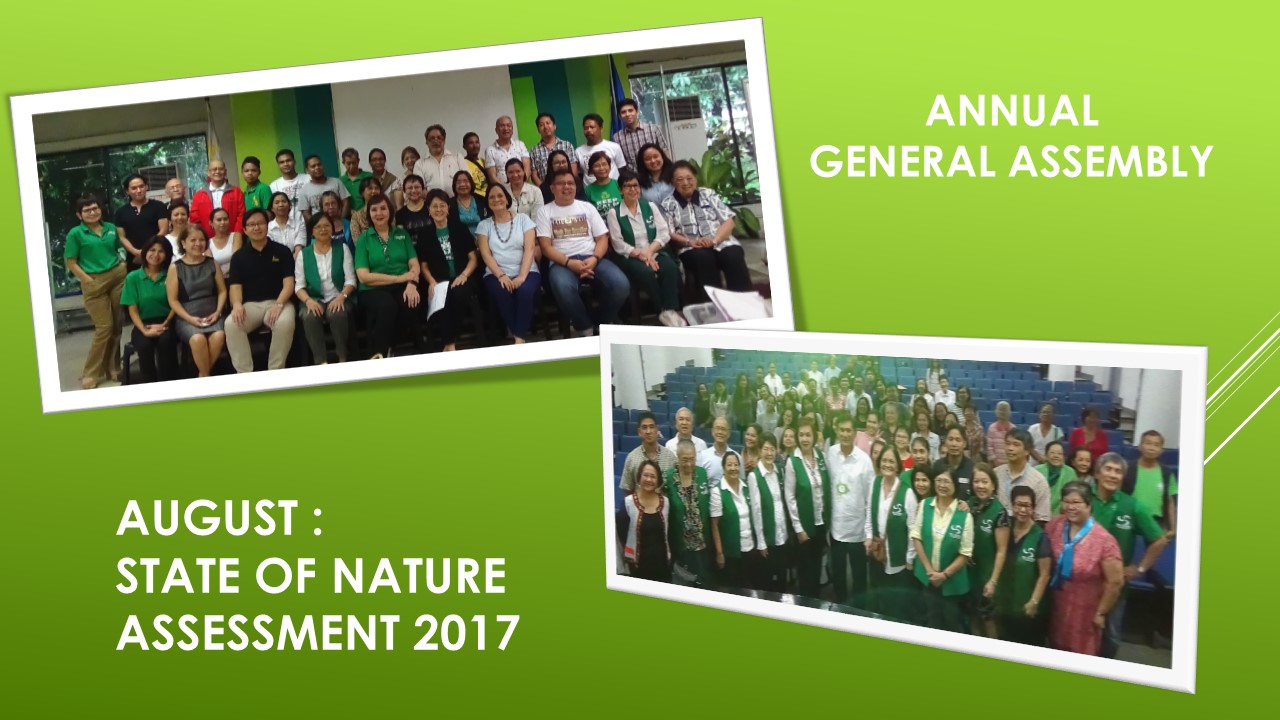
AUGUST 2017: STATE OF NATURE ASSESSMENT”OUR LAND, OUR LIFE”-11TH OF AUGUST, LITTLE THEATRE MIRIAM COLLEGE and ANNUAL GENERAL ASSEMBLY 22ND OF AUGUST-ENVIRONMENTAL STUDIES INSTITUTE, MIRIAM COLLEGE
An Interview with Dr. Angelina P. Galang about GMO
brought to you by:
CONSUMERS UNION OF THE PHILIPPINES
IN COOPERATION WITH:
GREEN CONVERGENCE

AND
CONSUMER RIGHTS FOR SAFE FOOD

PRESENTS:


YOU MAY CLICK THE LINK BELOW TO VIEW THE FULL INTERVIEW:
https://drive.google.com/drive/folders/0BwYPn_CtT3XtNmlPTzhQdDVfbGs
Bamboo Production or Propagation of Bamboo
The continued destruction of our forests has brought about the increasing demand for bamboo in the local and international market. The world bamboo market is currently worth 10 billion dollars per year. Bamboo is not only a high-yield renewable resource, it sequesters 400 percent more carbon dioxide and generates 35 percent more oxygen than an equivalent stand of trees. It serves as an erosion control agent and has a high water storage capacity. Bamboo is used for making beer; a source of raw material for making bags, bamboo water, pulp for paper, and bamboo fiber. It is a source of lumber or construction materials, medicine, food and biofuel.
Bamboo is also being promoted for ecotourism and the arts. Unfortunately, the bamboo industry is underdeveloped. The government has issued several policies and interventions to boost the production of bamboo and strengthen the bamboo industry in the country.
You must be logged in to view this content.
Free Virtual Library Registration Here
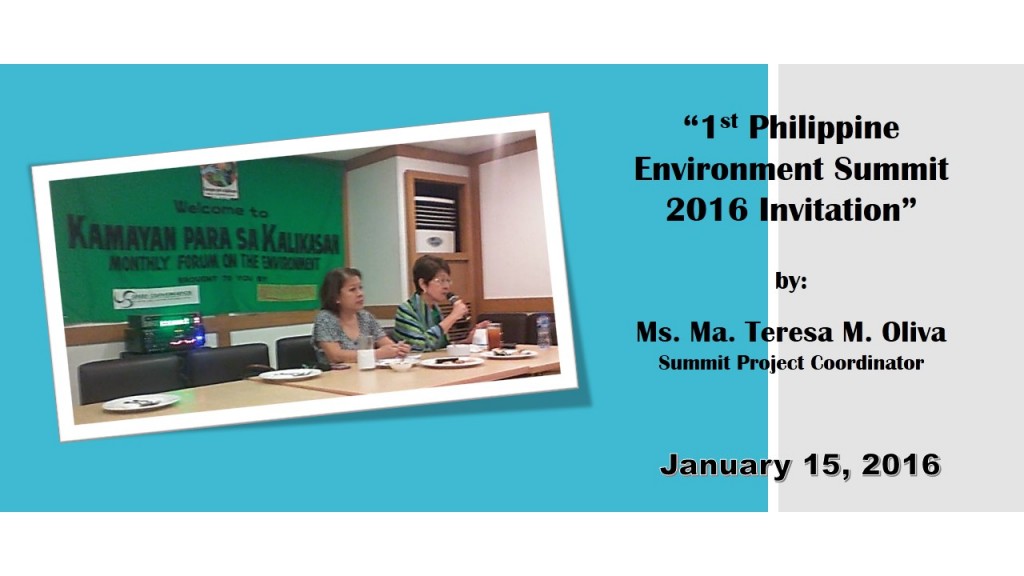
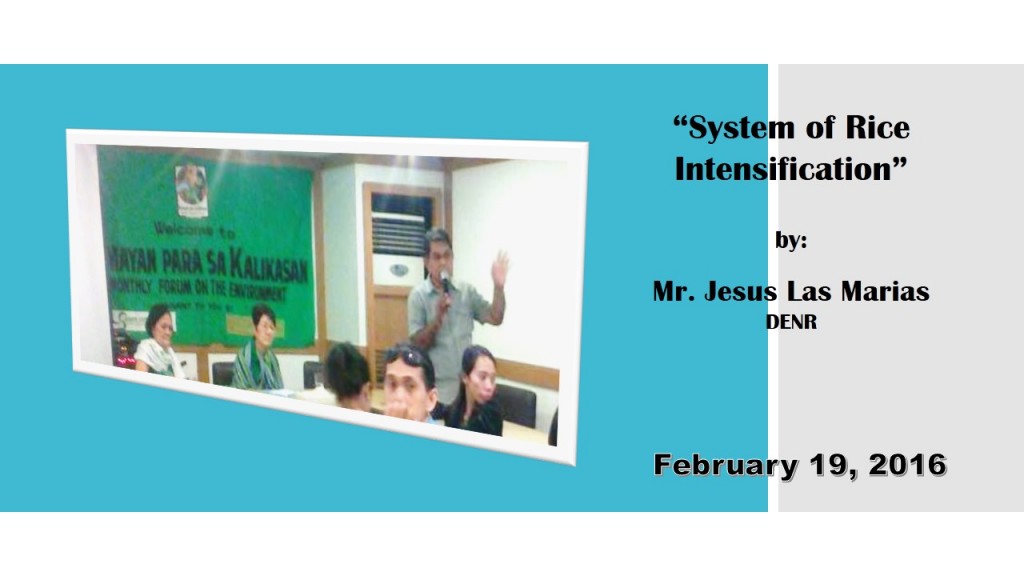
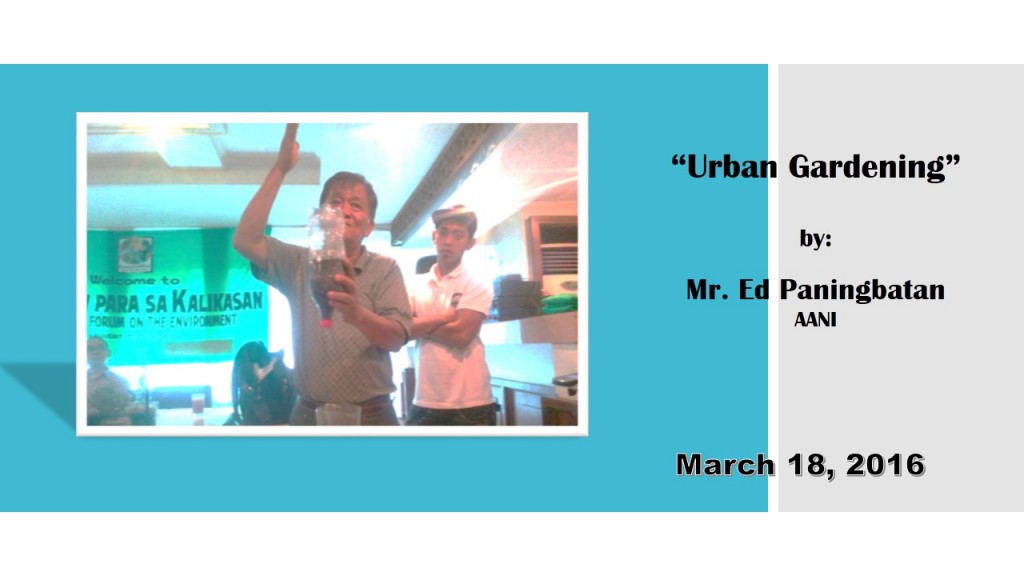
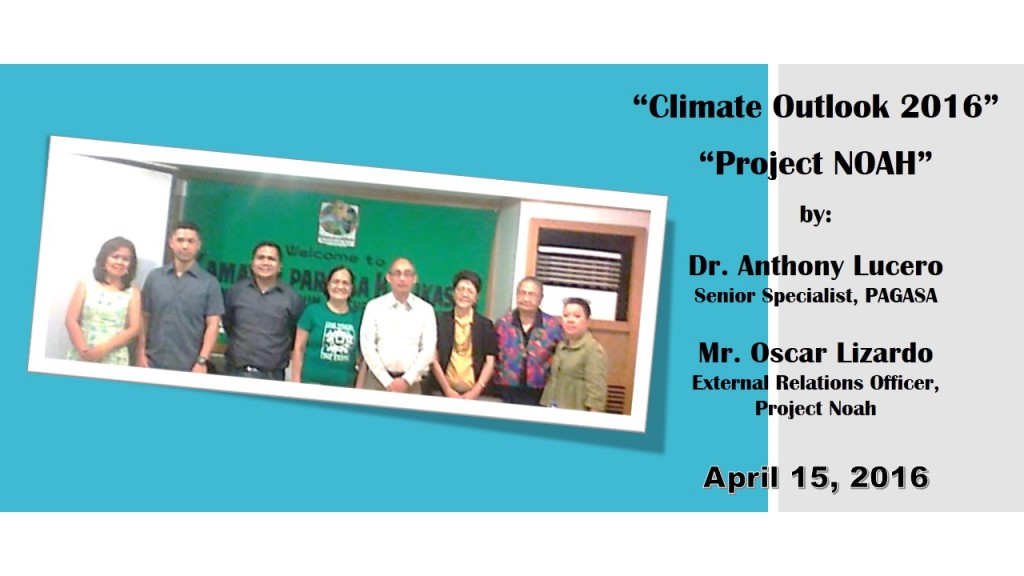
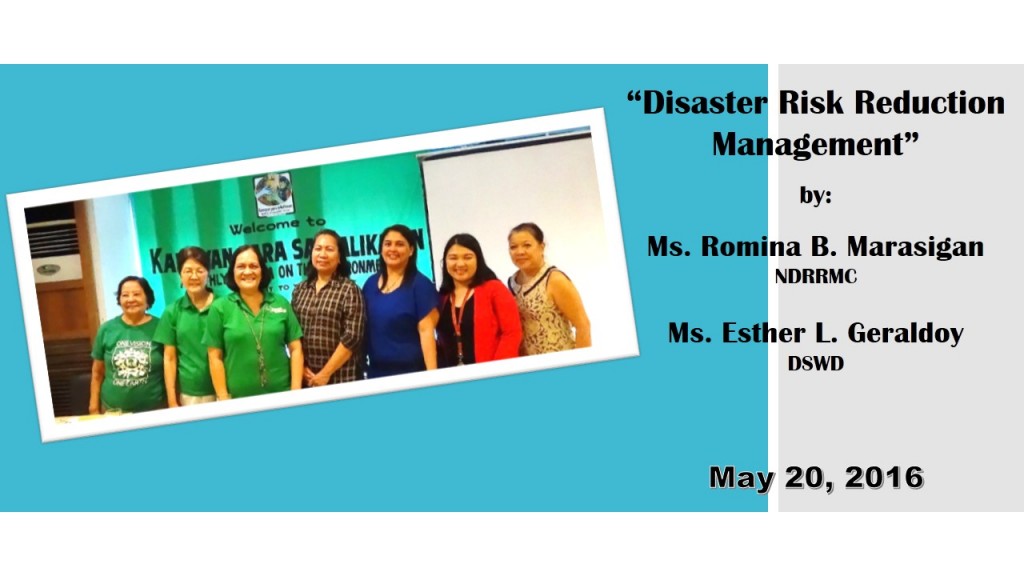
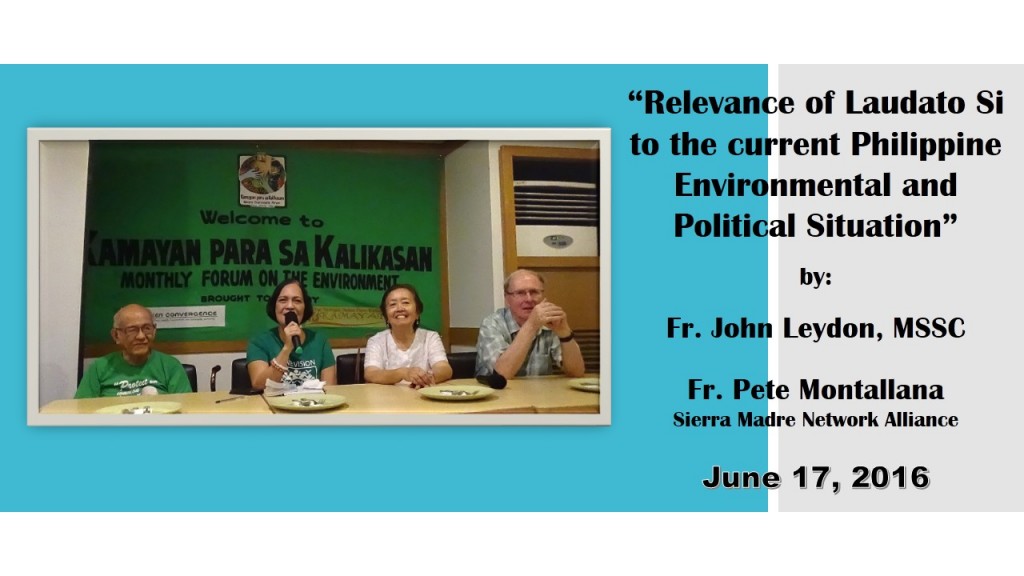
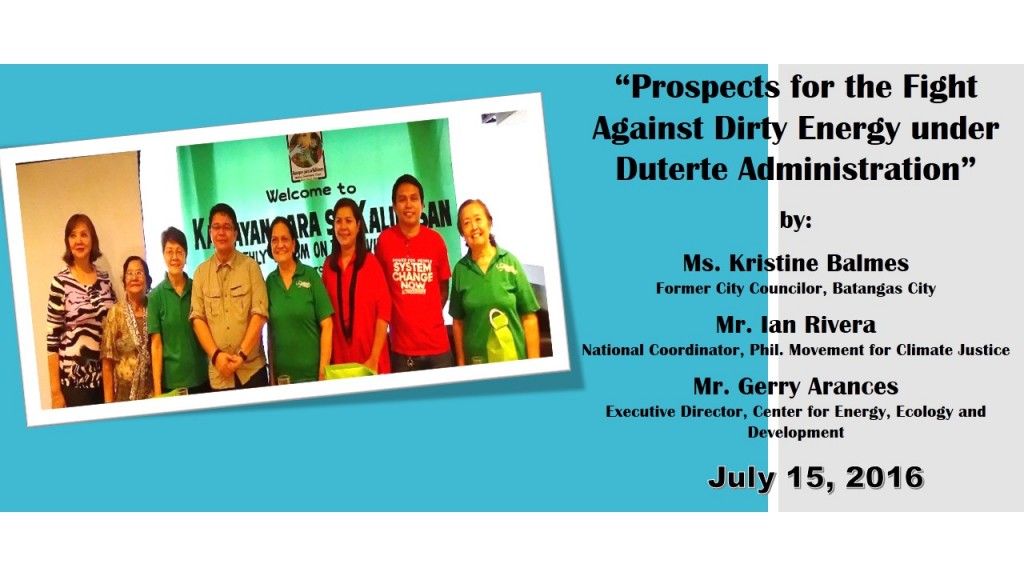
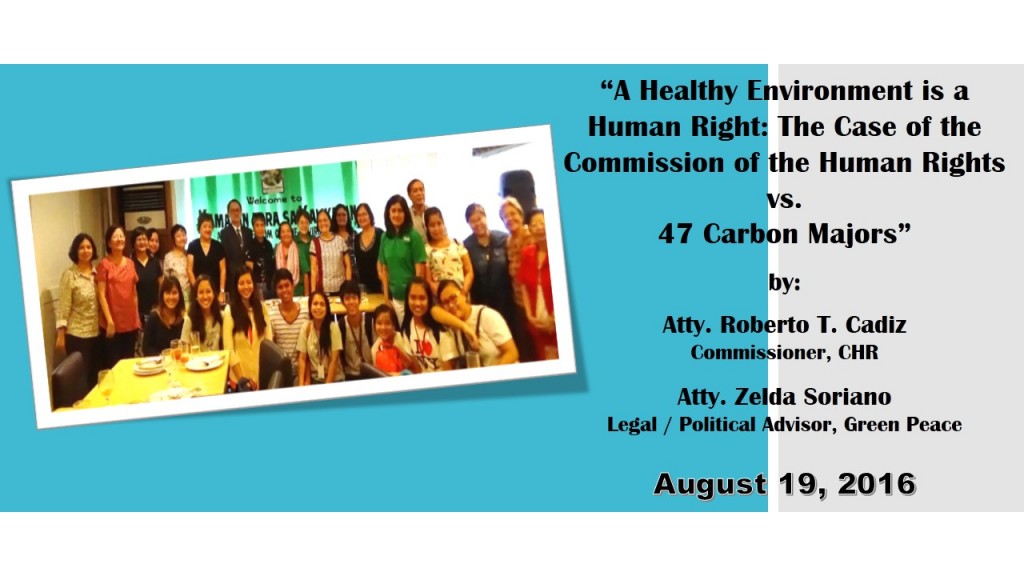
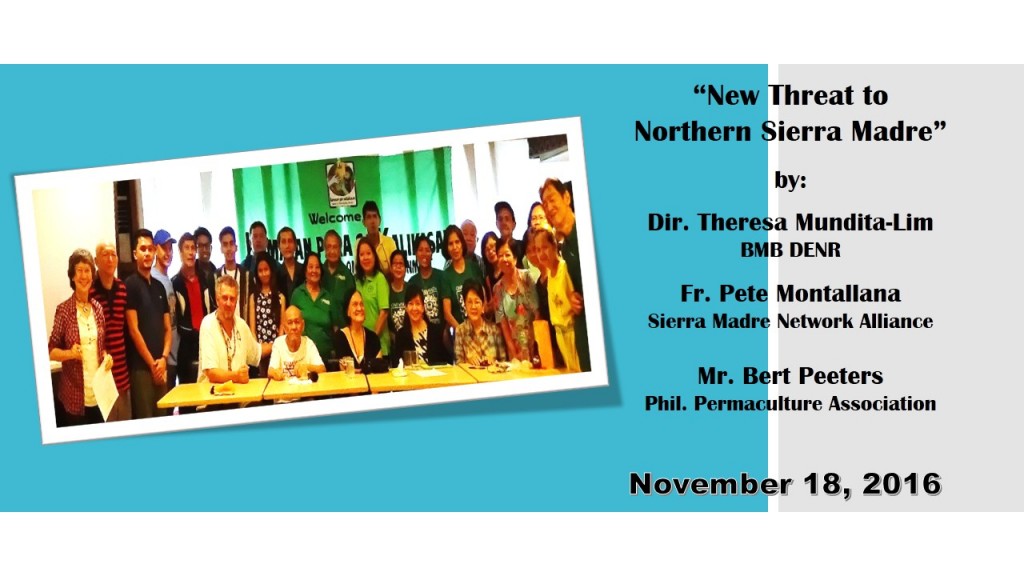
Kamayan Para Sa Kalikasan Fora 2016




National Catholic Reporter’s Global Sisters’ Report
Safer and climate-resilient communities

Sep. 21, 2016
Recently, I took six graduate students in Climate Change and Disaster Risk Reduction Management (DRRM) from the Philippine Women University (PWU) for a site visit to Payatas, Quezon City, an urban resettlement area. I have gone to the area before and trained some of the groups there in environmental leadership, but this time being with the students, it turned out to be a very different kind of engagement.
Payatas is one of the most densely populated areas in Manila where the incidence of poverty is quite high. It is also the site of the controversial and biggest garbage dump serving various cities in metro Manila. According to Professor Ebinezer Florano, the Payatas area has served as an open dumpsite for metro Manila since the 1970s, accepting a record 3,000 tons of solid waste daily in 1993. The dumpsite has been ordered to be closed repeatedly under the Ecological Solid Waste Act (RA 9003), however, it continues to remain open. Garbage scavengers form the informal waste sector and continue to make their livelihood there.
All six women students are candidates for the Masters of Science in Environmental Management of the Philippine Women University. We went to Payatas to learn about the community based disaster risk reduction management (CDRRM), a program implemented by a grassroots organization who call themselves UMAKAP (Ugnayan ng Mamamayan Para sa Kaunlaran ng Payatas.Translation: Citizens Movement for Payatas Development). It is composed mostly of women and a few men who participated in the disaster and risk management training for two years.
According to history, Payatas had several disasters; the most severe happened on July 10, 2000, where a portion of the dumpsite caved in. The massive landslide of 50 feet of solid waste was caused by continuous rain brought on by two consecutive high category typhoons — Kirogi and Kai-tak (locally named Ditang and Edeng, respectively). The landslide, specially termed, “trash-slide” by locals, covered several shanties at the foot of the dumpsite and claimed an undetermined number of lives. According to reports, at least 300 adults and children had been buried under a mountain of waste. This event became a national embarrassment for the Philippines as a country where most of the population lives in destitute poverty.

The controversial and biggest garbage dump, which serves various cities in metro Manila. (Provided photo)
The government, church and civil society organizations have been partnering to help this community, including the Simbahang Lingkod ng Bayan (SLB), a social advocacy group of the Philippine Jesuits. I am a climate change adaptation consultant for SLB, which has been training the group and its members in community-based disaster risk reduction since 2014.
The women shared their experience of floods, fires and “trash slides” — and their daunting anxiety over a methane explosion from a mountain of garbage which is continuously increasing in volume, even though the dumpsite was ordered to be closed about two years ago. UMAKAP members think that the increase in volume is because of the planned expansion of current “waste-to-energy” project operating in the dumpsite.
The women from the community took our group to visit the area next to the garbage mountain. The students were stunned at the situation they witnessed. Three of the students who are government employees of the Environment Management Bureau were upset. As it turned out, we could not walk further to get near the garbage mountain and the creek to check the area that UMAKAP members complain has a discharge with black leachate. Two men in yellow shirts guarding the garbage dump area stopped us and warned not to take photos. There was an eerie feeling of fear among us and the UMAKAP women. During the debriefing, one of the students suggested that the issue must be reported to the Department of Environment for an environment audit.
The women have learned a lot from previous disasters in the dumpsite, and these experiences made them prioritize training in disaster risk mitigation and management. They partnered with SLB to do capacity training in community-based disaster-risk reduction training. For two years they have been working on this and have developed their disaster-risk reduction manual and emergency procedures.

Map showing the reservoir, top left, and dump site of Payatas. (Provided graphic)
The group not only succeeded in disaster- and risk-reduction management but also addressed the poverty and lack of livelihood of the community. The women have established a small store that sells rice and gives credit to the members on a trust basis. Acknowledging the importance of alternative medicine during disasters, the group initiated an organic herbal and medicinal garden. First aid medication will be readily available during times of disaster. They have plans to develop organic vegetable gardens to alleviate incidences of hunger.
I have been inspired by how these women are leading in the fight for their communities’ future in a climate-changing world. Women and local communities are the key to mitigating disasters and the key to the success in community based disaster risk reduction programs. They are prime movers in ecosystem rehabilitation and environment conservation.
Back in the classroom, I asked the students to write a reflective report on the Payatas visit. Some of them mentioned that visiting Payatas opened their eyes to the importance of their studies and how in the future they can help build sustainable communities. They also found out that political will is needed to address Payatas’ problem and that local communities have the power to choose a healthy environment for themselves.
Meanwhile, the women of Payatas continue to fight the corporate greed of those behind the Payatas landfill, exposing the environmental dangers by sharing their stories and not being afraid to tell the horror of how these corporations and local leaders profit from waste instead of reducing it. Their fear is not enough to silence them to fight for their environment.
As Pope Francis calls for all Catholics and Christians to exercise their work of goodness and mercy by protecting the environment, the story of the women and men in Payatas serves as an example of how in our daily lives we can fight for a clean and safer environment.
[Maryknoll Sr. Marvie Misolas is currently serving in the Philippines after mission work in Taiwan for many years. She studied Environment and Peace at the University for Peace in Costa Rica, specializing on Climate Change and related issues. She is now based in Manila where she teaches, works with climate vulnerable communities and advocates for the care of the environment in collaboration with other environmental networks.]