Zero Waste Water Facility

A lot of water currently is wasted because of inefficient harvesting and treatment. There are a number of zero wastewater initiatives like wastewater treatment system, decentralized wastewater treatment system, rainwater harvesting and detention pond that may help solve the problem.

In a wastewater treatment system, water from a septic tank goes through a collection bin, filter system and then exposed to ultraviolet treatment. While in rainwater harvesting, rainwater is captured by a cistern, then undergoes chlorine treatment and through a sand filter before it finally goes to overhead tanks. Detention ponds are basins that receive and hold runoffs for release at a predetermined rate. It helps reduce the peak runoff delivered to storm sewers and streams.

In order to implement these initiatives there must be leadership and vision; support structures; zero wastewater technologies; and advocacy.


You must be logged in to view this content. Free Virtual Library Registration Here

Ram Pump

Ram pump is a pump that requires no electricity or fuel. It uses only the kinetic energy of flowing water to push water to an upland tank. The collected water is then piped down into faucets constructed in the community. The ram pump is effective, easy to install, low maintenance, sustainable and can supply water for the agricultural needs of a community.

The key social requirements for site selection for the ram pump include: a minimum of 50 household beneficiaries for domestic usage or a minimum of five hectares for purposes of agricultural irrigation in communities without reliable water sources for a considerable period of time; and existing water sources are at least one kilometer away or it takes more than 30 minutes to reach; where the cost of water is a prohibitive factor in the community’s rights to it, and where water-borne diseases are common due to the lack of access to clean sources of water.

The installation of the ram pump involves: identification of site; conduct of a survey or technical study; preparation of local community; construction of impounding structure, catchment tank and installation of ram pump, reservoir, tap stand and laying of pipes; and turnover to Community Water Association. Capacity-building is also important component of the technology such as training on solid waste management, watershed management, sustainable agriculture, reforestation and biosand filter; and technical management of ram pump water system.


You must be logged in to view this content. Free Virtual Library Registration Here

National Greening Program Success Stories

The worsening forest destruction in the country has brought disasters especially during typhoons. To help address the issue, President Benigno Aquino III signed Executive Order No. 23 declaring a moratorium on the harvesting of timber in forests nationwide and creating the Anti-Illegal Logging Task Force. With strengthened forest monitoring, further forest destruction has been prevented. Nineteen (19) logging concessions were closed down and more than 32,000 board feet of illegal timber were confiscated. More than 1,500 illegal logging cases were filed in court and convicted more than 200 violators. The confiscated timbers were made into 146,000 desks and chairs that were donated to the Department of Education (DepEd). Others were used to repair almost 400 school buildings. The number of illegal logging hotspots in the country was reduced by 88 percent, from 210 municipalities to 23 municipalities in 2010.

By virtue of Executive Order # 26, the National Greening Program (NGP) was launched. The program aims to help mitigate the effects of climate change by fast tracking the reforestation efforts of the government. Its target is to grow 1.5 billion trees in 1.5 million hectares nationwide in six year during the period of Pres. Aquino’s term as president of the country.

Through video presentation, NGP success story of a Manobo Tribe in Agusan Del Sur headed by Datu Subang was shown. From being illegal loggers, they now become forest defenders when they were granted a Community-Based Forest Management permit under the NGP Program by DENR. This he said has brought to them a lot of opportunities to improve their life. Having planted 247 hectares of land with falcata, 110 hectares with rubber trees, 41 with fruit trees, and 73 with indigenous species, he is positive that this will give their tribe a better life.

Role of Communities in Local Conservation Areas

Established in 1986, Kapunungan sa Gagmay ng Mangingisda sa Concepcion (KGMC) is the municipal fisherfolk association of Barangay Concepcion, Kabasalan, Zamboanga Sibugay. It is active in coastal protection and management. The association implements marine-based livelihood projects like fish culture in cages, shell culture, crabs and fish mangrove aqua silviculture and sustainable ways of fishing.

Among KGMCs activities are mangrove restoration, protection, development and management; mangrove nursery establishment, development and innovation; mangrove seedlings handling and transporting and planting technique; maintenance and monitoring of mangrove nurseries and planting sites; mangrove protection; fisherfolk community social enterprises establishment and development; promotion of coastal community social enterprises; solid waste management initiatives; marine animal protection; and coastal community organizing, orientation and strengthening on coastal environment and natural resources management.


You must be logged in to view this content. Free Virtual Library Registration Here

Role of Local Communities in Forest Management: Indigenous Community Conserved Areas

In the past years, international policy events have paid great attention to that “historical interface” and to the role of indigenous peoples and local communities in conservation. Communities have managed natural resources with ingenuity and care because on those resources depend their very survival, their security, and many cultural and religious values important for them. Sustainable use has generally been more a matter of survival than choice. The Indigenous Community Conserved Areas (ICCAs) benefits the indigenous people (IP) communities. Under the ICCAs the IPs are recognized as manager and owner of their ancestral domain. Examples of ICCAs are Mt. Candalaga

in Maragusan, Compostela Valley; Mt Apo in Kidapawan, Davao del Sur; Mt. Kimangkil in Bukidnon.

The Foundation for the Philippine Environment has initiatives on sustainable mechanism and provides opportunities. Like participation of IP communities to conserve and manage their environment; capacity-building for IP community leaders; advocacy work at the national, local, and community level; and documentation and dissemination of good practices on ICCAs and sustainable mechanism.


You must be logged in to view this content. Free Virtual Library Registration Here

Protocols and Role of Native Species

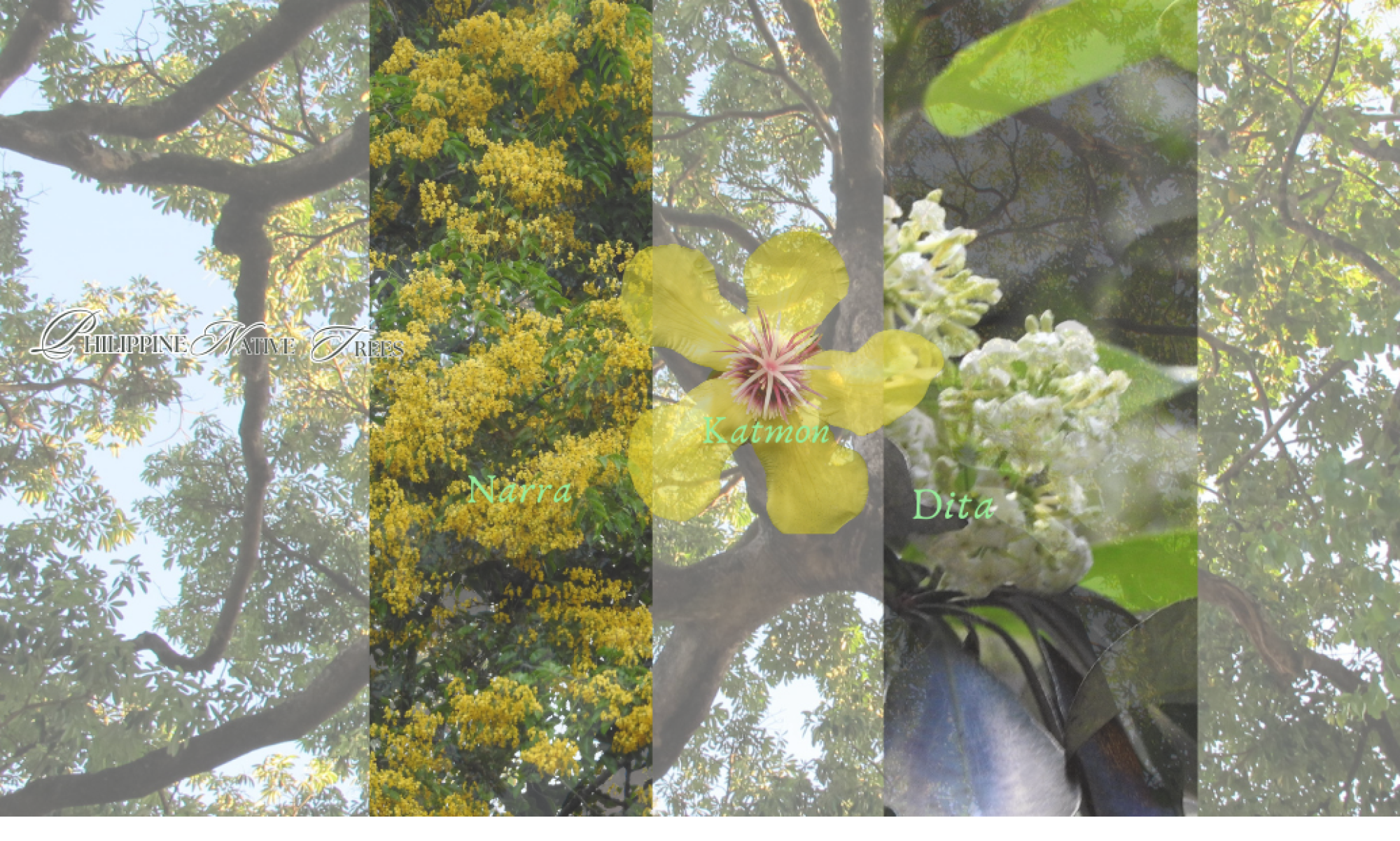
Most reforestation efforts in the Philippines focus on the development of forestry and agro-forestry system using tree species which are introduced because they are selected for their fast growth and easy germination. The species composition of the original forest that once covered the land prior to logging are rarely taken into account. There must be a paradigm shift. Rain forestation is the use of native species. Its objectives are to: replace the more destructive forms of slash-and-burn or kaingin practices; protect forest biodiversity; provide farmers with a stable and high income; help maintain the water cycle; and form a buffer-zone around the primary forest.

Impacts of rainforestation include: improved chemical properties, structure, water holding capacity, organic matter, and colour of the soil; enhanced nutrient status, biological activity, and microclimate. It likewise provides sustainable income to farmers. Available scientific evidence strongly supports the conclusion that the capacity of forest to resist change or recover after the disturbance is dependent on biodiversity at all scales.

Since biodiversity is a key factor underlying the resilience of forest ecosystems and trees to stress, the use of multiple species of native trees in NGP or in reforestation program must be promoted.

Exotic species have negative impacts on the environment. The exclusive use of exotic tree species in reforestation reduces forest biodiversity as pollinators and tree dependent wildlife will be lost. The occurrence of mother trees becomes rare and seed material becomes uncommon. The repeated clear cutting of fast growing exotics depletes soil nutrients fast, which makes reforestation unproductive in the long run. The cultivation of monoculture exotic trees are prone to pest infestation on distorted landscape.

Therefore, introduction of invasive species or non-native tree species must be controlled and reliance on non-native tree species must be reduced. Instead, strive to increase the variety of native tree species used in restoration. Plan the sourcing of propagation materials of desired species from different sources that match the environmental conditions of the restoration sites.

You must be logged in to view this content. Free Virtual Library Registration Here

Healthy Land

Educating the Filipinos about the care of our forests and the environment should start with the youth. Considering environmental stewardship as a track in Grades 11 and 12 is a good start to open their eyes in caring for our environment. People in government should also be educated and re-educated and the following items should be given immediate concern: Fast tracking ancestral claims, comprehensive land reform, ecological waste management, release of go and no go zones map for mining, land use planning, ancestral domain management, and in general, the conservation efforts.


You must be logged in to view this content. Free Virtual Library Registration Here

Mandamus on Manila Bay

In January 1999, concerned residents of Manila Bay filed a complaint with the RTC of Imus, Cavite against several government agencies for the cleanup, rehabilitation and protection of Manila Bay. In December 2008, the Supreme Court issued a Mandamus Ruling that ordered the defendant government agencies to clean up, rehabilitate, and preserve Manila Bay; to restore and maintain its waters; and to submit a progressive report in accordance with the court’s decision.

To comply with the Supreme Court decision, an Operational Plan for the Manila Bay Coastal Strategy (OPMBCS) was drafted where the Department of Environment and Natural Resources (DENR) is the lead agency. The other Mandamus agencies where

divided into the clusters – Liquid Waste Management, Habitat and Ecosystems Rehabilitation, ISF and Solid Waste Management. Various interventions and strategies were used like reduction of pollution loading; relocation of informal settlers; compliance with solid waste management; reforestation of priority watersheds, protected areas, and critical habitats; application of micro-watershed management; implementation of Integrated River Basin and Coastal Areas Management by the LGUs; restoration of productivity of abandoned fishponds to mangrove areas; and enrichment of existing mangrove areas in NCR, Bataan, Pampanga and Bulacan.

Accomplishments on the Mandamus include the establishment of Water Quality Management Areas in the National Capital Region (NCR), Region III and Region IV-A; rivers and creeks were cleaned through “Adopt an Estero Program”; establishment of Materials Recovery Facilities (MRFs); Laguna de Bay Ecosystem Health Report Card; conduct of several studies. .


You must be logged in to view this content. Free Virtual Library Registration Here

Mangrove Rehabilitation

Mangroves provide ecosystem services that are valued from $14,166 to $16,142 per hectare per year. These services include raw materials and food, coastal protection, erosion control, maintenance of fisheries and carbon sequestration. The present mangroves to ponds ratio is 1:1 lower than the ideal 4:1 ratio because of the massive

mangrove conversion in the country.

There is a need for mangrove rehabilitation. However, though massive mangroves planting are being conducted, it is being done in the wrong sites (seafront planting) and wrong species (Rhizophora spp.) is being used. Mangrove planting should not be done in seagrass beds and the right species such as Avicennia marina and Sonneratia alba should be used. Several departmental orders and laws were issued and enacted to revert abandoned or underutilized ponds to mangroves; to stop further conversion of mangroves into ponds; and to expand mangrove belts (100 meters along shorelines and 50 meters along riverbanks) in storm surge or typhoon areas. Various handbooks and manuals on mangroves have been likewise produced.

After Typhoon Yolanda, the Philippines vowed to plant more mangroves. The Department of Environment and Natural Resources (DENR) planned to replant 380 kilometers of coastline or equal to 1,900 hectares of mangrove and beach forest. But like all reforestation activities, indigenous species should be used, not exotic species.


You must be logged in to view this content. Free Virtual Library Registration Here

The ECHO-store Concept

Every consumer needs to know the source of their food to make sure that the food they eat is safe and nutritious. Better yet is for us to produce our own food. Adherent to the principles of slow food movement, which is to promote the production and eating of good food – food that is tasty; clean food which is free from pesticides and other harmful chemicals; and fair food both for the producer and the consumer. She presented the concept of ECHO- store (Environment, Community, Hope, Organization), a model of small scale organic farming that can provide a supply of safe and nutritious food for domestic and local consumption while promoting healthy diet and ecological integrity. A social enterprise, ECHO-Store is run by an organization within the community thus its focus is more on the capability-building and not on the economic gains.


You must be logged in to view this content. Free Virtual Library Registration Here