Search for a Just Model for Economic Sustainability

Global context: Continuing crisis of the dominant global model (Washington Consensus) since the 2008-2010 Global Financial Crisis

  • Reflected in the rise of Donald Trump (“America First”) and other Trumps, Brexit crisis in Europe, unresolved crisis of Greece, failure of the World Trade Organization
    to conclude its Doha Round (2000), crisis of “shareholder capitalism”, etc.
  • In short, crisis of neo-liberalism (nobody wants to be labeled “neo-liberal”), yet most policy makers stick to neo-liberal framework and apply neo-liberal policies.

Other Global Crisis: 

  • Global ecological crisis due to failure to have global cooperation to arrest global warming and the continuing dependence of nations on extravism: extraction of natural resources, pollution of the environment through various industrial processes, exploitation of cheap labor.

Global Outcomes :

  • global inequality (arising primarily from Race to the Bottom), social protection deficits in many places, & global crisis of directions. Is “Beijing Consensus” the alternative?
You must be logged in to view this content. Free Virtual Library Registration Here

Coconut Oil the Tree of Life

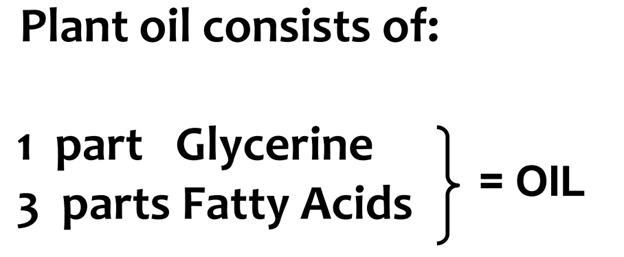
Understanding Plant Oil

What differentiates them is the
profile of their fatty acid composition e.g. carbon chain.

Plant oil is also referred to as Lipid

Current usage of Coconut Oil based products

  • Food Products
  • Cosmetic & Personal Care
  • Health Products
  • Value-Adding Processes
  • Coconut for Clean Air and Environment


Coconut has many more potential applications awaiting development.

This presentation focuses on the new category in the use of coconut oil that is not well known as yet – BIOPETROLEUM.

Biopetroleum products are substitute to petroleum products and specialties for transportation, and in industrial, agricultural, and environmental applications

What is Cocobiodiesel; Why is it Unique ?

Cocobiodiesel is Methyl Ester extracted from Coconut oil via a reaction process called esterification.

Also referred to as Coco Methyl Ester ( CME)


Unique Features of Cocobiodiesel

A powerhouse of natural additive features inherent in product.
– Oxygenated ( 14% Oxygen. Diesel has zero)
– Medium Saturated Carbon (91% Paraffinic. Non-polar, easily volatilizes)
– High Solvency Feature ( KB Value of 75 vs 31 of Diesel)
– High Lubricity Feature ( 216 micron vs >500 micron for Low Sulfur Diesel)
– High Cetane Value: ( 70 cetane vs 48 in diesel PNS

You must be logged in to view this content. Free Virtual Library Registration Here

Palm Oil Expansion In The Philippines

Marami ang nagsasabi na mayaman ang Pilipinas subalit naghihirap ang mamamayang Pilipino. May katotohanan ito dahil kahit sagana sa mga likas na yaman ang ating bayan,
nananatiling mahirap, nagugutom at nagdudusa pa rin ang marami nating mga kababayan. Kabilang sa pinakamayamang lugar sa ating bansa ang Mindanao, tinatawag din na Lupang
Pangako. Subalit ngayon, nakapailalim ang Mindanao sa Martial Law at lalo pang tumindi ang nararanasang kahirapan ng ating mga kababayan doon.

Nasa isla ng Mindanao ang pinakamalalaking plantasyon sa Pilipinas. Libu-libong ektaryang lupain ang nasasaklaw bilang taniman ng goma, saging, pinya at oil palm.
Ang mga dating lupang sakahan at lupang ninuno na binubungkal ng ating mga magsasaka at tinitirhan ng ating mga katutubo ay napalitan na ng mga plantasyon na nasa kontrol ng
malalaking lokal at dayuhang agrokorporasyon.

Kung dati-rati ay pagkain – palay, mais, gulay ang nakatanim sa ating mga lupain, ngayon ay mga pananim na pang export na ang sumakop sa lupain ng mga magsasaka at katutubo.
Mga malalaking dayuhang kumpanya gaya ng Dole Philippines ng U.S., Del Monte at Sumifru ng Japan ang nakikinabang sa ating lupain at likas na yaman.

Malalawak na lupain pa ang tinatarget sakupin sa planong higit na pagpapalawak o ekspansyon ng mga plantasyon. Kabilang dito ang ekspansyon ng oil palm plantations.
Isang milyong ektaryang grasslands sa Mindanao ang unti-unting itinatransporma upang maging oil palm estates gaya ng ginagawa sa Sultan Kudarat, North Cotabato, at mga rehiyon ng CARAGA at Northern Mindanao.

You must be logged in to view this content. Free Virtual Library Registration Here


Address of the Chair of Lopez Group of Companies, Oscar Lopez

Delivered by Mr. Richard B. Tantoco
President and Chief Operating Officer of Energy Development Corporation
(EDC is the largest renewable energy developer in the country making the Philippines the no. 2 geothermal country in the world since 1983).

Good afternoon ladies and gentlemen, and good afternoon Chief Justice. I’d like to begin by offering my congratulations to Green Convergence and to the visionary Dr. Angelina Galang for successfully organizing the First Philippine Environment Summit.

I stand before you today representing Energy Development Corporation (EDC), a company that has chosen to go 100% renewable energy. We produce clean energy from geothermal, hydro, wind and solar and today we light 1 in 10 homes in the country, 1 out of every 10 light bulbs in this hall.

An interesting fact about our geothermal operations – the Philippines is the world’s second largest producer of geothermal energy and EDC is the Philippines’ largest producer of that geothermal energy. We go beyond just providing clean energy to millions of homes and businesses because in producing 8,500 gigawatt-hours (GWh) of clean energy, we have also help the country save billions of dollars by displacing hydrocarbons.
At EDC we have made the conscious and ethical choice to stay purely renewable to produce only clean and sustainable energy. We are of the firm belief that doing the right thing and doing our part to ensure a vibrant country in a viable planet for future generations is the right thing to do.

We are also in a very fortunate and unique position where environmental and community stewardship is at the very heart of business sustainability and continuity and not merely the obligatory token corporate social responsibility (CSR) that is done at the peripheries of the business to gain community acceptance. The continued availability of geothermal steam relies on having healthy watersheds and if the watersheds perish so does our business.

You see, geothermal steam comes from rain water that is captured by the forests and absorbed kilometers deep into the earth. Hence, we have invested heavily in forest restoration and biodiversity preservation in order to maintain the robust ecosystem services for the use of all our stakeholders in our geothermal reservation.
Our Binhi Reforestation Program aims to plant 10,000 hectares across the country in 10 years using premium and endangered native trees species; but what I am most proud of about our Binhi initiative is that we have already rescued and secured the 96 critically endangered, native, premium hardwood tree species. We are nurturing these seedlings in our state of the art nursery using Israeli technology in Negros Occidental and we will grow this species back in abundance with the help of partners who share the same commitment for the environment.

In choosing to do so, we achieved multiple gains. We help revive our forests, we ensure business longevity, we create carbon sinks, we restore and preserve biodiversity, and we rescue and secure our natural national heritage for the benefit of future generations. I could go on and on discussing our other programs centered on health, livelihood, education, and environment but instead of doing that I would like to discuss what I call national social responsibility instead of just corporate responsibility in the next 10 minutes.

The energy sector must accept that it is the greatest contributor to climate change and the United States Environment Protection Agency notes that 78% of all carbon emissions in the world come from energy and industrial processes. It is therefore the duty of the energy industry to the global community, that we make the greatest necessary changes to set thing right.

I would like to frame what I’m about to say briefly in terms of imperatives or musts. I believe that there are 3 imperatives that we need to think of as Filipinos and as global citizens. This feels like preaching to the choir but let me say it anyway for the record.

The first imperative is the environmental imperative. We are at the critical point today in the earth’s history where concrete action and committed action must be taken to remove us from the path to environmental destruction that we have been hurdling towards since the dawn of industrialization. The time for us to find solutions for change is long overdue and I’m afraid running out and I am glad to see many fellow Filipinos coming together in a forum like this with hopes of doing so.

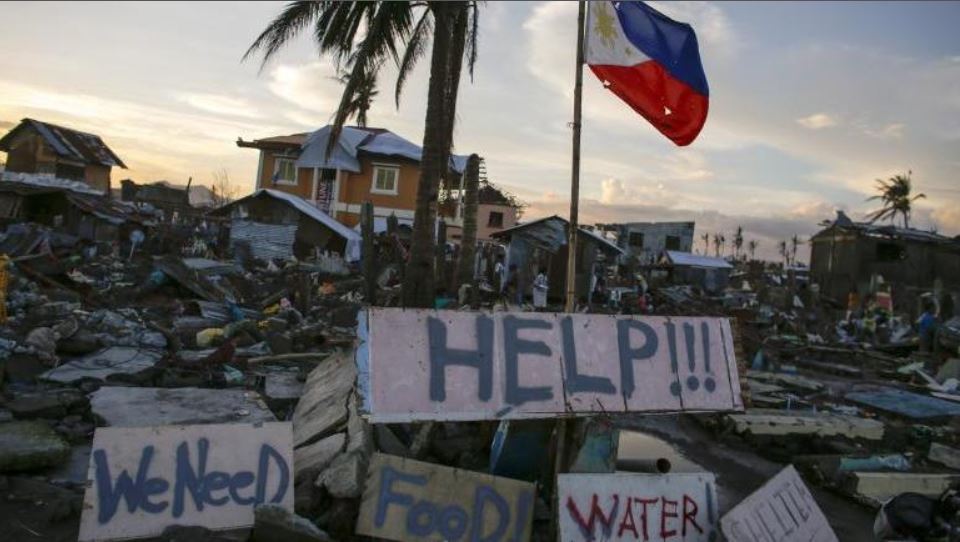
That our global climate is changing is undeniable. The global mean temperature has increased by 0.8 degrees centigrade in just less than 2 centuries with no signs of abating from its exponential path. Without concerted action, we could see a 1.5 centigrade increase in as little as 20 years and a 4.1 degrees centigrade total increase by the end of the century. I cannot imagine how much devastation a 2-4 centigrade rise can cause if at 0.8 degrees we already experienced Yolanda.

Let me walk you to the math briefly. According to the Nobel prize winning Intergovernmental Panel on Climate Change, we have already emitted a significant portion of the global carbon budget leaving us with only 600 gigatons (GT) of carbon from the year 2013- 2050. Today according to the World Wild Life Fund for Nature, we emit 47 GT carbon per year and even if you assume that the global economy will grow at 0%, we will hit the tipping point in just 13 years. Scientists have identified the potential effects, melting of the ice caps causing a 100 cm increase in our sea level. If you look at the charts on the polar ice caps from 2.78 million square miles to 1.79 million square miles today, it’s gone down 40% and still people say that the earth isn’t warming.

National Geographic ran a series in November and December and countries like Hongkong, Fiji, Vanuatu, and our own places like Navotas, large parts of Parañaque, and Old Manila, are going to go under water. Fresh water availability will drop 50%, drought will become a matter of course affecting food security for many, and warmer sea temperatures will also drive more extreme weather events and cause the acidification of the ocean thereby reducing fish capture.

Together here with Green Convergence, we all need to act and not kick the can on the road and assume someone else will solve the problem for us.

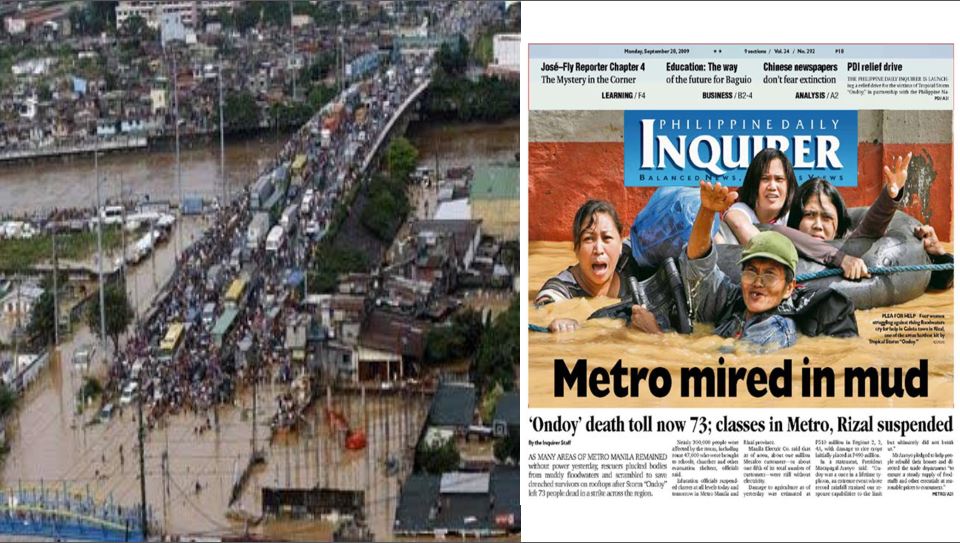
The second imperative is the moral imperative. As some of you might know that the Philippines is one of the most vulnerable countries in the world to the effects of climate change. What makes us vulnerable is the deadly cocktail of three factors: (1) the presence of hazards, (2) inadequate infrastructure and (3) inadequate resources to reduce the risks and fund adaptation.

According to the United Nations Office for Disaster Risk Reduction, we have recorded a total 274 climate related disasters in our country in the last 20 years with a sharp increase in the last 5 years. That is why we are a founding member of the V20 composed of the 20 countries that are most vulnerable to the effects of climate change.

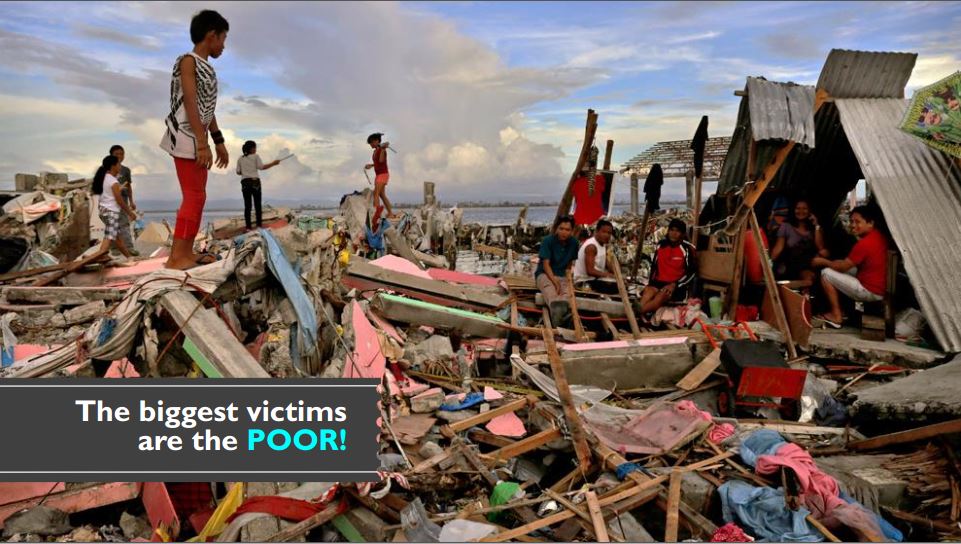
The Philippines is current chair of this group and is among the V20 countries that face an average of about 50,000 climate related deaths per year. That number is expected to rise exponentially by 2030. Economically, our country faces escalating annual loses of at least 2.5% of potential GDP loss that is PhP360B pesos or PhP150,000 per person. The moral imperative I talk of is two-fold; (1) that we recognize that the impacts of climate change will be the most severe and costly to those in our country with the least resources. Climate change will hit the poorest of the poor the hardest and when it does they will have the least resources and be the least capable also of reacting. (2) For each marginal increase in carbon, the impact on us Filipinos is amplified given our intrinsic vulnerability. We, therefore, have a moral obligation to curb our own carbon emissions given how vulnerable we are as a country and how exponentially vulnerable our less fortunate brothers and sisters are.

Some of those in industry will try to divert your attention and point you to the lowest part of this graph and they will say “As a country, we are one of the lowest emitters, so let’s just go ahead and emit more carbon”. Others will say “Give us our time to industrialize; others had theirs. Allow us our chance to pollute”. While both maybe argued, they set aside and conveniently ignore the most crucial fact that we Filipinos are among the most vulnerable to the effects of climate change and every marginal ton and gigaton of carbon will have a magnified, amplified, intensified impact on the vulnerable people of our vulnerable country.

The third imperative and final imperative I’d like to talk about is the national energy policy imperative. It flows from the first two and it talks about choosing right for our future. Today our energy mix from power generation is roughly 25% from renewable, 24% from natural gas that emits less than half the carbon as coal, and 43% from coal. However, we are headed towards a 70-75% share of energy generation from coal by 2025 as a result of what I call is the illusory least cost mindset. On an X plant basis, coal is the cheaper option now especially with the recent crash in global coal prices; but what other countries may have saved in energy costs by taking the fast and cheap route is being overtaken rapidly by the mounting social and environmental costs that they did not foresee or that they chose to ignore.

The truth is, coal has costly externalities in addition to just the X plant price and this has not been priced to the least cost illusory equation. The World Health Organization estimates that more than 1 million premature deaths occur every year because of outdoor air pollution caused largely by burning coal. The illnesses span from respiratory to cardiovascular to neurological conditions. In May of 2015, the IMF released its study that revealed a subsidy to fossil fuels of $5.3 trillion in 2015 alone or about 10 million dollars per minute every day.
This amount is due to the environmental and health costs not included in the prices of coal and thus they are called externalities and are erroneously not counted in calculating the cost of a kilo watt per hour. In coal, its life cycle – from extraction, transport, processing, and combustion – generate wastes, harmful to health and environment.
A report specifically on the Philippines done by Harvard University and released this 2016 on the impacts of the existing 13 coal plants and the planned 29 new ones to be built in the Philippines shows and estimated 960 premature deaths each year due to cardiovascular and respiratory diseases. And it cautions that if the new coal fired plants are to be developed, premature deaths will rise to 2,410 people per year. So we must learn from the mistakes of other countries whose over reliance on supposedly cheap coal is costing them trillions of dollars in externalities. We need to factor in those costs into the equation as we make our choices. Failing to do so would encumber future generations with the cost of our poorly guided choices.

In conclusion, I’d like to answer one quick question which is “how do we take action?” The Philippine government’s COP21 commitments including that of undertaking the greenhouse gas emissions reduction of 70% by 2030 is a critical step in the right direction; but together we must now hold both ourselves and our government accountable for such climate commitments. We must also argue for a firm policy that establishes a target miss of power generation between coal, natural gas, and renewables. We also need to incentivize renewables and prioritize their links to the grid. It is time to really think about and secure a safer and cleaner future for our children, their children, for our people particularly the least fortunate who are most vulnerable to the impacts of climate change.

We have a long hard road ahead of us but with the right level of determination and commitment, the switch to renewables or cleaner energy is possible. While difficult, it is not impossible and as Nelson Mandela once said “It always seems impossible just about until it’s done”.

Let me just tell you the few bright spots on the horizon to give you some encouragement. A group called the RE100 composed of the world’s 100th most influential companies committed to 100% renewable electricity. Among them are the iconic brands Google, Coke, P&G, BMW, Marks & Spencer’s, H&M, Philips, Starbucks, and many others.

Last year, investments in RE reached a record high of $329B, mostly contributed in clean energy projects in China, Africa, USA, Latin America, and India. The state of Hawaii has set an even loftier goal with an energy mix composed of 97% fossil fuel today; they are taking concrete steps to make a complete turnaround in favor of 100% renewable by 2050. A supportive state legislature has set the framework to enable Hawaii to achieve their goal. On the side of business and finance there are also some positive developments. Very large financial institutions such as the World Bank and the California Teachers’ Retirement Fund have said that they will no longer fund coal. The World Business Council for Sustainable Development has tallied close to $34 trillion of finance and investments that they will either divest or no longer fund coal. The largest companies in the world have begun to divest all of its coal investments.

So worldwide, countries, policies, legislators, local governments, companies, banks, funds, developers, groups, individuals, and NGOs are making the choice to low or no carbon development.

I believe it is the best thing to do; I believe it is the right thing to do. If the others can do it why can’t we? If it should be done, why aren’t we?

Maraming salamat and a good day to all of you.

Sustainable Economy for the Philippines

Hon. Joey Salceda 
Governor, Province of Albay

Good Morning! Unang-una salamat sa pagbibigay ng opportunidad sa akin upang maibahagi at matuto na rin ako sa mga ginagawa ng iba. Siguro naman kung may pipiliin kayong presidente para sa 2016, isa lang ang pamantayan: yung marunong makinig. At tignan ninyo na ang kanilang mga programa ay naka-base sa pakikinig sa mga ordinaryong masa.

Pasasalamatan ko muna po yung mga talagang nagtaguyod sa akin: sa tulong po ng DENR, si Secretary Paje na taga-Guinobatan, Albay; siyempre ang Green Convergence; kasama po ang EMB; pati na po yung Environmental Studies Institute, Dr. Angelina Galang, Tessa Oliva, Marie Marciano, Beth Ceralbo and Vicky Segovia.

Simulan ko na ang aking kwento ng Albay. Alam nyo simple lang ang mensahe ko: “Go local. You’ll never go wrong.” In my experience because I’ve done Congress, I’ve done presidential economic adviser and I’ve done international; I think the best that ever happened to me is working with the people as a local government unit where every day is a transparency and accountability for me.

Ito ang aking kwento. Ito talaga mas ginusto ko na mabuo kaagad. Alam nyo tinamaan kami ng bagyo noong 2006. Kalahati ng ekonomiya ko nawasak. Bilang isang ekonomista, “Paano ko sisimulan itong gawin ulit?” Sabi ko, “Unang-una di ka dapat kabahagi kung bakit nangyari iyon.” So doon talaga nagsimula ang pagiging “green” ng Albay. Mas green ang Albay sapagkat nakita namin na climate change ang dahilan at

kung gusto naming mabuhay, dapat di na kami dadagdag sa problema. Iyon ang simula ng lahat, kung bakit ginawa namin ang ginawa namin.

Ano ba para sa amin ang Albay Green Economy? Ito ay nagnu-nurture ng low emission which basically portrays yung aming commitment to climate change reduction. Inclusive and empowering – walang naiiwan at dapat empowering. Aanhin mo naman yung inclusive na katiting? Kasama ka nga nandoon ka naman sa dulo. Dapat ang ekonomiya ay empowering hindi lang inclusive. Kaya kung ang pamantayan mo sa presidente ay inclusive growth, mali yan. Dapat empowering growth. Empowering ng vulnerable hindi lang yung basta naiwan. Pangatlo dahil nandito lahat ng klase ng hazard katulad ng hazard ng seismic belt, ibig sabihin yung mga bulkan, nandyan ang mga earthquake. Nandoon rin tayo sa ring of fire. Door mat pa kami ng mga bagyo dahil doon nagsisimula sa dulo ng Pasipiko. Bago muna pumasok kahit saan, dadaan muna sa amin. So kailangan di ka magkakaroon ng development – hindi growth ang development kung hindi resilient. Kailangan nakapaloob na sa mga estratehiya ang pagiging resilient.

Ang ibig sabihin, nakahanda kung may mangyari. Mayroon kaagad na gagamitin upang maipanumbalik ang kakayahan ng mga komunidad na ma-sustain ang dignidad ng lahat ng miyembro at siyempre nandoon ang sustainability. Sa amin sa Albay, simple lang. The next generation should have the same means and access to achieve their potential and achieve their goals as a people. So hindi pwedeng ang lahat na ma-achieve ay Milleneum Development Goal (MDG) lamang, which we did. Pero dapat may naiwan pa para sa susunod. Sa pananaw ko mas marami ang iniwan namin para sa susunod na generation.

Simulan natin yung pinaka-simple, iyong capacity to provide ecosystem services. Environment should be an ecosystem that can provide ecosystem services for economic development.

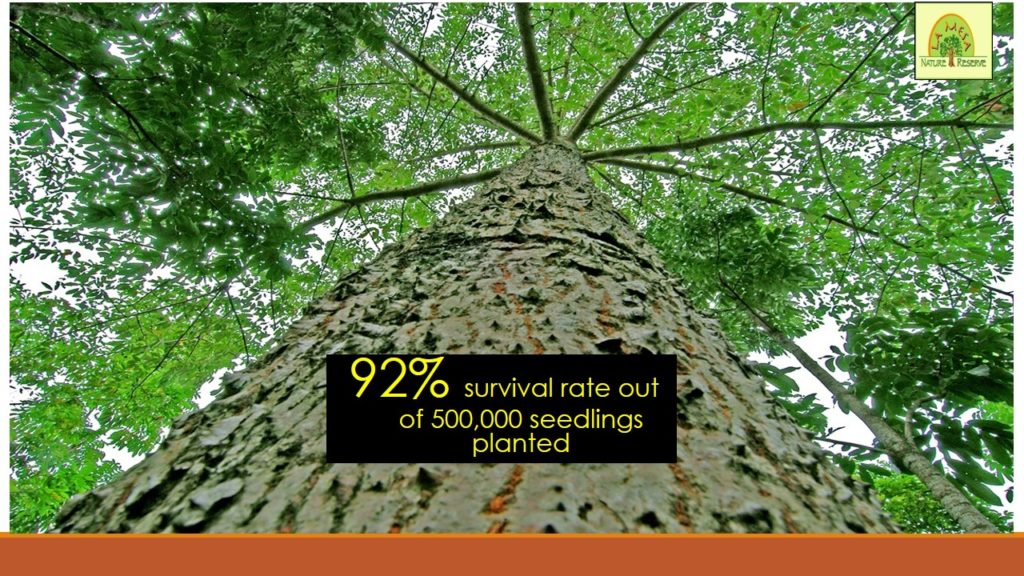
Kung seven years lang ang gagamitin at US satellite imagery, umangat kami ng 88% over the past seven years at ang ginamit namin ay pili, narra at mahogany. Pero tignan ninyo yung cumulative impact ng Urban Development Program, National Greening Program at ng barangay forestry program na doon sinimulan sa Albay, from 6,300 hectares of forests in 2003, we are now 53,074 hectares. Nagtatanim kami ng 10,000 trees.

Halimbawa, last year nagtanim kami ng 3,000 pero ang dinagdag lang namin dyan sa 53,074 hectares ay 507 hectares lang. Inaassume naming 80% mortality sa aming pagtatanim ng kahoy. Ang pagtatanim ng kahoy sa Albay ay kasing ordinaryo ng pagsipilyo. Ganoon kasi ang aming paniniwala. Kung wala kaming environment, paano kami mabubuhay? Hindi ako nagyayabang, sinasabi ko lang na kaya natin. Kaya natin na from 6,300 hectares, iangat sa 53,074 hectares ang forest cover natin. Kasama dito yung mga programang B+WISER and REDD+.

We have 4 major watersheds being managed actively in joint venture with DENR and, of course, various bilaterals including GIZ for REDD+ and USAID for B+WISER.

Tapos yung aming mga mangroves, from only 700 hectares, ngayon nasa may 2,400 hectares kami at mayroon kaming balak na iangat ito ng 1,200 hectares. Wala nang matitirang beach sa Albay, puro na lang mangroves. Pero nandoon ang kakayahan, kaya po may leader. Siya yung nagbabalance nung kailangan ngayon at saka mga kailangan ng susunod. Kaya ako nagkakaganito kasi gusto ko na maintindihan niyo na ang 2016 ay napakakritikal para sa Pilipinas.

Maraming pumapasok na bagyo sa Albay. Pero from only 95,000mt net production ng rice na may 74% sufficiency, naiangat namin ito sa 148,000mt o additional 57% kahit may bagyo. Ang mga bagyo, yang mga hazard ay given. It’s what you do about them essentially that shape the destiny or the direction of the human welfare. You can have all the typhoons in the world but still increase production by 57%. We have people so united in achieving their goals. It is important to derive strength from them. Hanguin sa kanila ang klase ng lideratong kailangan natin.

Hindi kami 100% organic agriculture pero halos lahat ng vegetables sa Albay ay organic. Out of the 3,734 hectares ng vegetable farm lands, 3,465 hectares ay organic. 140,000 hectares lang ang pwede naming gamitin for agriculture. Yung iba poultry, 99,000 hectares pang coconut. Paano ko ba ioorganic ang poultry at coconut? At least dun sa pinaka pwedeng gamitin na maging organic, ginawa naming organic.

Karamihan 568 hectares of the 3,400 ay nasa Pulanggi and the rest are in
Paglinaw – 2,478 hectares of vegetable farm lands.

One of the most modern things we are doing is, of course, climate resiliency. Ito yung aming high value crop center at makikita ninyo that there is an effort to convert it into a touristic place.

And we now have one of the first local Albay Agriculture Adaptation Center. This is in partnership with the International Rice Research Institute (IRRI) of Los Baños . This is one of our most well-funded projects. Gusto ko subukan nila mismo doon sa Albay kung alin ba talaga yung mga nababagay sa amin. This is one of our biggest investments which is really the adaptation of agriculture because climate change adaptation is not just about running away from storms or typhoons, it’s about the total ecosystem and total settlement approach.

Siyempre hindi kami makakaasa sa vegetables. Kailangan rin kaming mag- kamote. We are now the second biggest producer of kamote in the Philippines. Kaso inuubos ng Japan, ineexport sa Tabaco papunta sa Japan. Sila rin ang nagbigay ng variety, sila ang nagproduce ng variety na bagay sa Albay. Kaya parang nagkalat yung kamote. Alam mo ba kung sino ang number one producer ng kamote? Pampanga.

If you look for the proof that pili belongs to Bicol, the oldest pili tree is found in Anuling, Camalig. Therefore pili belongs to Albay and Sorsogon. We planted 2,972 hectares of pili trees. That’s a concession to the farmers, kasi at least 6 – 7 years sila mag- aantay bago mamunga. Masasabi namin na nasa gitna pa lang kami ng aming journey patungo sa isang ekonomiya na talagang masasabing sustainable at rumirespeto ng dignidad ng mga susunod na henerasyon.

Siyempre kita natin kanina na hindi dapat crop diversification, crop resiliency lang. Kailangan din po ng value chain analysis (VCA). Nasa gitna na kami, bubuwagin na namin ang Sri Lanka bilang geonet capital ng mundo. Ang problema talaga ng geonet, ang paghakot nung coconut husk ay napakabantot. Kaya yung mga farmers, ayaw. So kailangan naming i-mechanize. Anyway, bibiglain na lang namin kayo, na kumikita kami sa parte ng coconut at ineexport namin. At siyempre, we are now doing value chain analysis for pili, abacca, and kamote. We are now doing major programs in order to ensure that our farmers will appropriate that VCA, hindi lang pagproduce ng pili kung hindi lahat ng pwedeng income sa pili.

We gave Luzon 30 % of its energy since 1974 and that is the geothermal. And you never thanked Albay for it. In fact, you thanked us by selling all our products in SM and we have to pay Php11 for our product. Thank you very much po sa EPIRA, pero wala namang problema. Ang 300 megawatts noon which accounted for 30% of the Luzon grid, now has a 650 MW potential. We probably account only for 8% but still this is clean, renewable energy.

Pero kung susumahin ninyo, nakakatawa naman talaga. Itong environment- environment ninyo. You can be so pro- environment but the equity should also be clear. Pag tiningnan mo yung balance sheet ko sa GDP, very industrialized yung Albay. 50% of the industrial GVA of Bicol is in Albay. Yung walang kapakipakinabang na geothermal pala ang nakikinabang ay ang Metro Manila. Nasa inyo na yung pera, kayo pa ang sinasubsidize namin. Iyan ba ang klase ng ekonomiyang gusto natin? Sa katotohanan, hindi mo mahihiwalay ang concern for environment from the concern for social justice or unjust social structure. If you want to really do something, you have to do both. You cannot just keep promoting planting trees without thinking of who benefits when trees are planted.

Mayon Volcano Natural Park is not just the volcano but the park around it where almost 22,000 hectares are planted with trees. At ang mortality rate diyan ay mababa kasi hindi namin pinapapasok ang mga tao. That is actually the secret why we have more trees. We were able to increase our forest cover from 6,300 to 53,000 hectares simply because Mayon Volcano has 6 – 8 kilometers of land categorized as danger zone.

By March 14-17, the Albay Biosphere Reserve will most likely be approved as the next world heritage site. There will be a UNESCO meeting in Lima, Peru. Sinabi sa akin pumunta lang daw ako kasi ang gusto nila boses ng local ang magsalita na ang isang biosphere reserve ay isang konsepto na talagang kailangan nang gawin para ma-ensure that the locals take hold of the destinies of their communities. Hindi ko talaga maintindihan yung mundo. Sa totoo lang, kaya gusto ko lagi nandoon lang ako sa Albay kasi both the social logic and the economic logic are all clear to me that as a leader my main responsibility is to take care of my people. Ihihingi ko lang naman sa kanila, na sa pag- alis ko “I just want you to be proud of me”.

And of course paano gagawin yan? We put up the Environmental Natural Resource Governance Office to ensure that there is somebody from my office taking care of the natural resource as well as the energy. Alam mo napakaganda, kasi minsan yung mga gobyerno nawawala ang kaniyang pagiging instrument of social justice puro na lang magregulate.

Marami po kaming ginawa. Ang Christmas sa Albay by ordinance is green. Meron kaming province-wide anti-plastic ordinance and smoke-free ordinance. We have a resolution opposing any mining exploration and mining. Since I became governor, I have not signed a single authorization for anyone to mine. And I’m proud of it. I cannot trust them to restore it. Kung maipakita ng mga mining companies na kaya nilang ibalik sa dati, fine. Kukutkotin lang nila yung katiting na gold pero ang ibalik nila yung forest, ibalik nila yung lupa sa dati, wala naman akong nakikita. Tumatakbo na sila kapag nakakutkot na.

We are proud to say that because of our Albay Green Economy, we were awarded as the Senior Global Champion for Disaster Risk Reduction and Climate Change Adaptation. As I’ve said, the environment is our indispensable provider.

You must be logged in to view this content. Free Virtual Library Registration Here

Sustainable Cities & Sustainable Schools

DENR Assistant Secretary Corazon Davis presented the ASEAN Framework for Environmentally Sustainable Cities (ESC) and Eco-schools. ESC are cities or urban areas that are environmentally sustainable while meeting the social and economic needs of the people as outlined in the ASCC Blueprint (2009 – 2015). The ESC Award aims to make ASEAN cities environmentally sustainable by recognizing exemplary efforts and sharing best indigenous practices to keep cities clean, green and liveable.

The National Environmental Awareness and Education Act, alongside with the ASEAN Environmental Education Action Plan (2014-2018) promotes eco-schools. The Philippines’ search for sustainable and eco-friendly schools is a way to popularize environmental schools. The ASEAN eco-schools award provides recognition in the region.

Traditional Knowledge in Environmental Governance

Early humans have enjoyed close relationship with nature as indicated by the knowledge, innovations, and practices of indigenous and local communities. The case study of the Ifugaos, entitled Community-based Monitoring System for Restoring Balance, described their traditional monitoring and management systems like the “do nothing” to minimal economic activities and resource sharing. Threats to indigenous way of life include land use change and media. The indigenous territory management and indigenous socio-political cultural systems embrace respect in fellow human beings, sustainable use, equitable sharing of resources, access and benefit sharing.

Ecosystem Governance

The principles in ecosystem governance that Mayor Maquiabas employed in running their municipality’s activities include:

– Strengthening leadership cognizant to better risk reduction and management, and climate change adaptation initiatives
– Building a culture that is committed to the preservation of the environment
– Building people for peace and development, by way of people empowerment thru continuing education and community participation
– Demonstrating local green action and political will

SALt Lamp

The SALt Lamp is a lamp with 90 lumens equivalent to seven candlepower powered by saltwater thus it can light up those in the coastal communities and those in the remotest barrios in the hinterlands. With two tablespoons of salt in one glass of tap water, the lamp runs for eight (8) hours. It is cost effective, safe and environment-friendly.

With the objective of lighting up sustainably the whole nation and to help the poor, Engr. Mijeno and her organization is working with NGOs, LGUs and charitable institutions to mass produce the SALt Lamp. It is currently in retail and to be able to help the poor, for every lamp you purchase, one is given to a selected family.


You must be logged in to view this content. Free Virtual Library Registration Here