Green Convergence to PH gov’t: ‘Invest in native medicinal plants!’

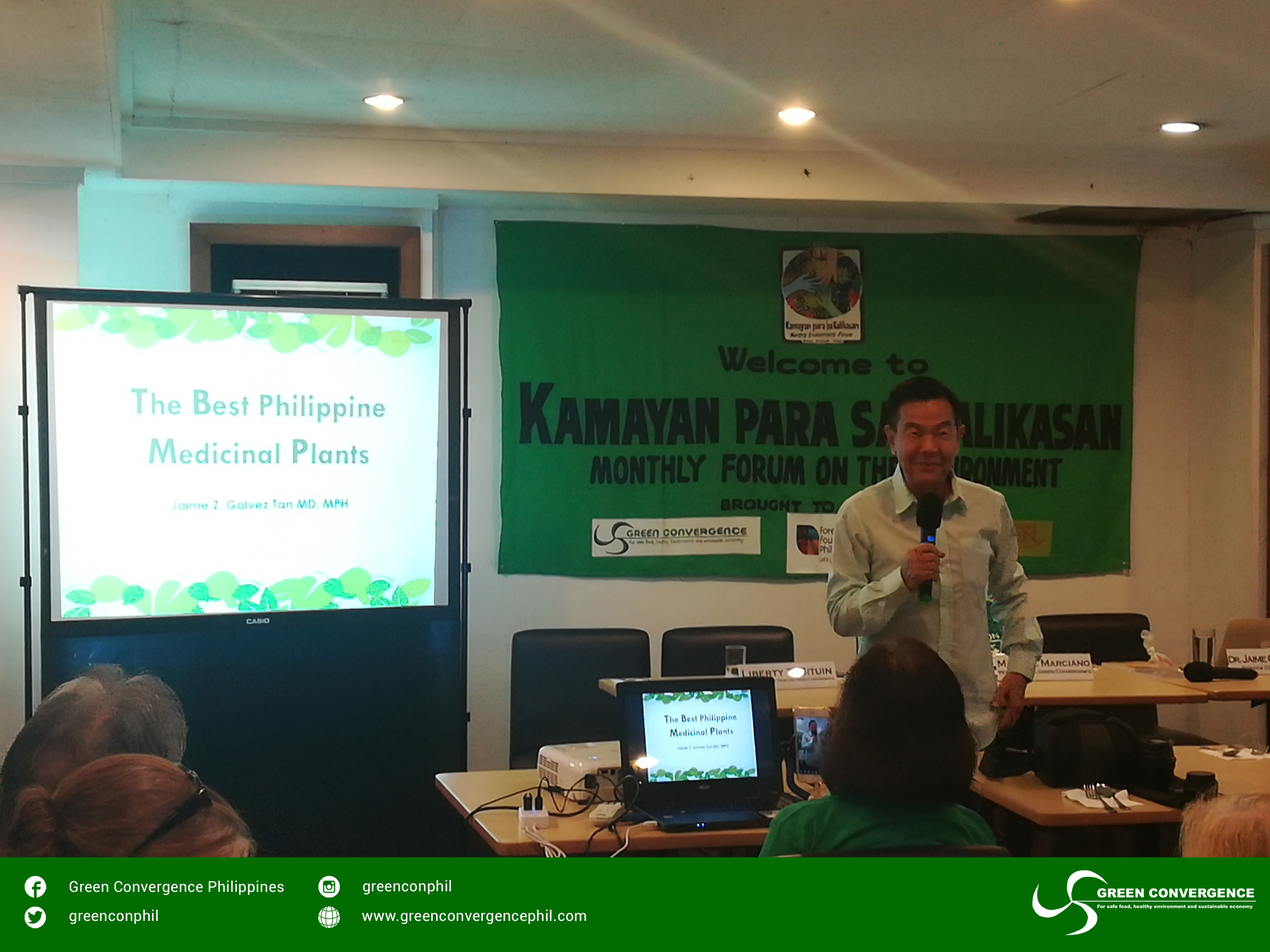
Environmental Coalition Green Convergence held the 352nd installment of the monthly Kamayan Para sa Kalikasan Forum about the future of the Philippine native medicinal plant industry on July 19, 2019 (Friday) at Kamayan Restaurant, EDSA, Mandaluyong City.

Former Department of Health Secretary Dr. Jaime Galvez Tan discussed that “Around 1500 medicinal plants from more than 13,500 plant species in the Philippines of which more than 3500 are considered indigenous.”

Unfortunately, Galvez Tan stressed, “Only 120 medicinal plants have been scientifically validated for safety and efficacy.”

“Only 10 medicinal plants have been promoted by DOH since 1993 and Philippine Institute for Traditional and Alternative Health Care since 1997,” he added.

Because of this slow promotion of the country’s medicinal plants, an estimated PhP 1.2-billion sales only were attributed to them, compared to PhP 138-billion sales of synthetic drugs. Both records were in 2013.

In fact, Dr. Francis Gomez explained, in mid-1990s to 2000s, medicinal plants had low acceptance from medical doctors due to perceptions that they are associated with ‘Quiapo herbs,’ quack, and backwardness.

“Even Philippine Medical Association stated that herbal medicines are not medicines,” Gomez exclaimed.

Gomez is the CEO and President of New Marketlink Pharmaceutical Corporation, the company behind Lagundex, made of a medicinal plant, whose success was due to persistent education campaign nationwide.

Galvez Tan noted that education campaign on Philippine medicinal plants must continue.

He presented the best medicinal plants that the country possesses: the best vegetable is malunggay (Moringa oleifera), the best spice is luyang dilaw (Curcuma longa), the best grass is takip-kuhol (Centella asiatica), the best palm is coconut (Cocos nucifera), the best stem is makabuhay (Tinospora rumphi), the best flower is ylang-ylang (Cananga adorata Lam), and the best nut is pili (Canarium ovatum Engl.).

All of which have medicinal properties that improve the health conditions of human beings, he stressed.

On the other hand, Igorot and Green Convergence Board Member Liberty Bituin argued that everything in our forests is good for our health. “From fresh air, to the fresh waters, to the stones, to the trees, and all the medicinal plants,” she enumerated, “they are all components of the indigenous ways of improving our health.”

Green Convergence President Dr. Angelina Galang called for the Philippine government to invest in the country’s natural resources and for the civil society to strengthen their campaign for this to be realized.

Since March 1990, Kamayan Para Sa Kalikasan Forum has become an institutionalized platform that enables NGO and government representatives, the media, students, teachers, church groups, and concerned citizens to discuss pressing environmental issues in the country. This month’s forum is organized by Green Convergence and is supported by Kamayan Restaurant EDSA with the assistance of the Forest Foundation Philippines.

You must be logged in to view this content. Free Virtual Library Registration Here

Why native trees?

Published February 7, 2018, 10:00 PM, By Flor G. Tarriela via Manila Bulletin

At a recent typhoon that hit Metro Manila on the way to Tagaytay, I noticed many fallen trees, Acacia and Tulip trees. Later I found out these fallen trees were actually “alien” trees and not native to the Philippines.

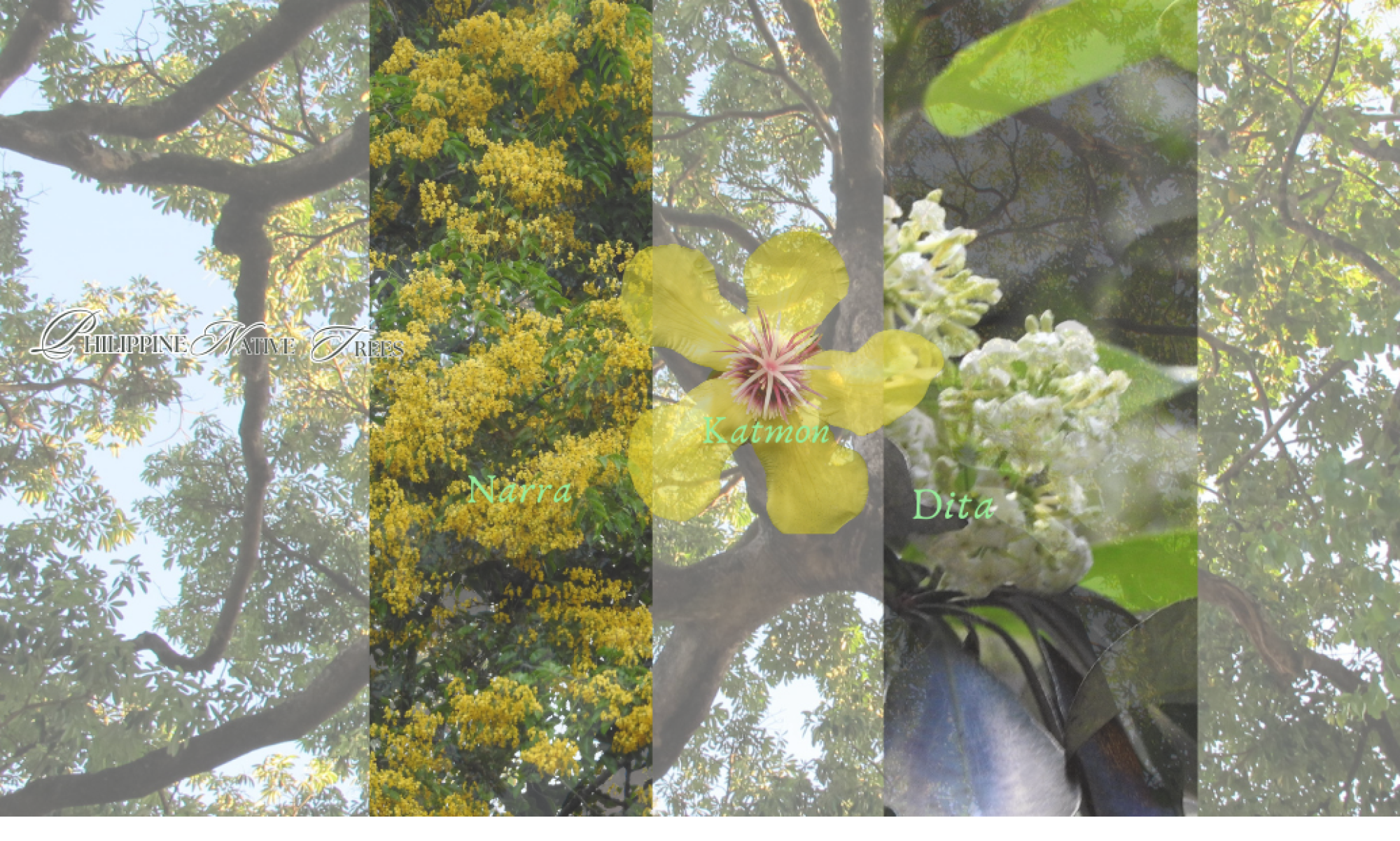
But wonder of wonders in typhoon Ondoy, a Dita tree stood tall and saved 36 lives in Quezon City! The Dita tree, like most native trees is a survivor tree. I’m happy that a few years back, FINEX together with MNTC Rod Franco had the project of greening NLEX with Dita trees, now fully grown.

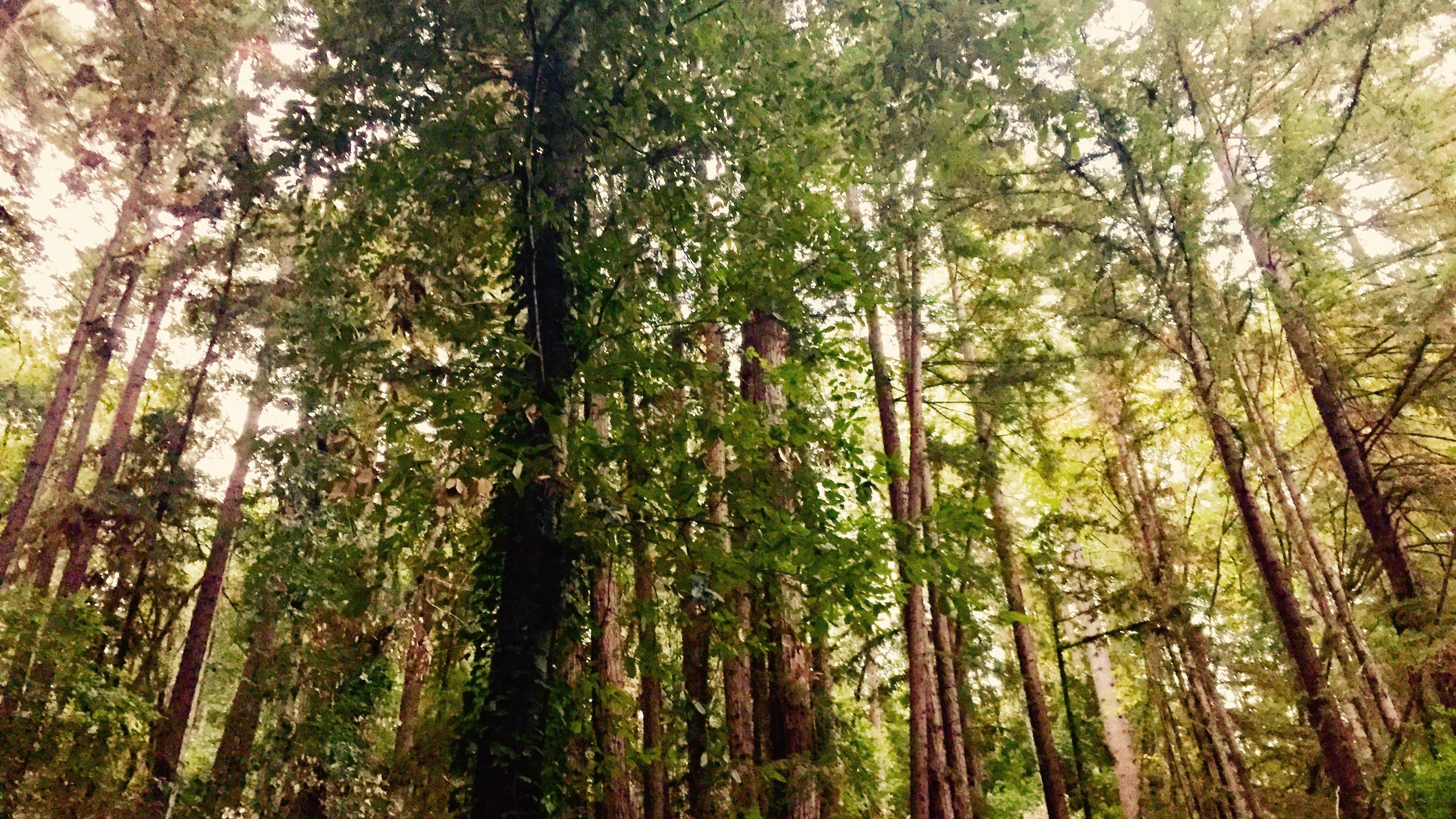
What’s with native trees?  Native trees adapt naturally to its local surrounding such as the micro-organism in soil, thus more resilient, that they don’t topple easily.  Just like us locals, we don’t get upset stomach immediately from drinking local water or eating local food as foreigners do.

Mr. Oscar Lopez, Chairman Emeritus of Lopez Holdings, says that sometime back, the Philippines had 94% cover with forests. In 1945 it was still 66% or 2/3 covered.  Where are we today?  So sad, the loss of forest cover is so fast that it is less than 7% with only 3% in unspoiled condition.

The Philippines is so blessed; despite our terrain of less than 1% of the world’s land area, we have more than 5% of the world’s flora.  “Per hectare, our country probably harbors more species than any other place on earth” says Dr. Angelina Galang of Green Convergence.  The Philippines has 3,600 identified native trees, 67% are endemic, meaning found only in the country.  However even this biodiversity is being lost at an alarming rate.

Imee Sarmiento of Hortica Filipino Foundation was the guest speaker on Philippine Native Trees at the MAP Agribusiness forum chaired by Ramon Ilusorio, Chairman Emeritus of Multinational Investment.  She spoke passionately about our native trees, how beautiful and majestic are the flowering (Bagawak Morado, Butat, Ilang-Ilang, Banaba, Balai Lamok, etc.) and fruiting (Katmon, Pili, Bignay, etc.) trees. Oh! how I love to have them in my garden.

She also talked about the wood trees. We don’t really have Philippine Mahogany.  Instead, Imee said that Bagtikan, Lauan, Tangile, Guyo, Yakal, Apitong are what is known as Philippine Mahogany. She says that Mahogany which is alien to the Philippines, may be good for commercial purposes (grow and cut) but to make it a permanent forest, forget it!  No insects will thrive such as what happened to the Bohol Mahogany man made forest. The tarsiers didn’t know what hit them.  So where have all these trees gone?  They are disappearing fast due to over-harvesting, deforestation, replacement by alien species and even carted away to foreign countries.

Mameng Florento, a plant lover and collector bought a beautiful flowering plant during her Europe travel. Not cheap, only to find out what she bought is our very own native Medinilla Magnifica or Kapa Kapa.

What’s also ironic is that Dr. Jaime Galvez Tan, former Secretary of Health told me that there are about 25 species of cinnamon of which 20 are native to the Philippines.  A little bit of trivia, in Pigafetta’s journal (Magellan’s chronicler), the galleon full of spices, including cinnamon, were sufficient to pay all of Magellan’s debt of 7 galleon ships.  Sri Lanka has only one species and guess who is known for Cinnamon?  Have you heard or seen of Cinnamon native to the Philippines?  Now I want to collect these cinnamons.

Out of the 3,600 native trees, only about 200 native trees have been documented in Imee’s “work of love,” the PHILIPPINE NATIVE TREES 101 and 202.  Volume #3 is coming soon.  Even with volume 3, this represents research on only 10% of the Philippines native trees.  Still, there’s much to do.

An excellent project is the Dr. Lucio C. Tan Legacy Forest to plant 15 Million trees over six years or 2.5 million seedlings per year primarily to protect our forest and address the problem of global warming. Once mature, the 15 million trees that include a variety of timber like Narra, Batino, Manalis, Ipil, etc. and fruit trees like Lipote, Marang, etc.,  shall provide multiple benefits both ecological and socio-economic such as carbon sink, raw material supply, wildlife habitat, improved water quality and quantity, improved ecosystems services and livelihood among others. This can be achieved by planting various species of forest and fruit trees.  It is a sustainable reforestation.  A legacy for future generations.

Federico “Pike” Lopez, Chairman and CEO of Energy Development Corporation (EDC) sent me a book on “BINHI: Tree for the Future”.  Binhi connotes potential and growth. EDC in collaboration with the country’s top botanists have rescued and secured 96 of the most threatened and premium tree species (Yakal, Tindalo, Molave, Alupag, etc.) from extinction.  What a legacy!  Through the Binhi project, it is hoped that more of us will know and appreciate the ecological, economic and cultural value of Philippine native trees to our country.

To see some of these indigenous trees, Ambassador Delia Albert reminded me to visit the Washington Sycip Garden of indigenous trees at the University of the Philippines donated by Zuellig Co.  during the UP centennial.

I’m definitely sold to the idea and importance of native trees.  My husband Ed and I were guests of renowned eco lodge expert Hitesh Mehta in Florida who introduced us to famous landscapist and book author Raymond Jungles.  My surprise is that even across the seas, Raymond advocates and only uses native plants and trees in his landscaping projects.  Yes! Native plants and trees are best in its original natural environment.  Love your own.

As Imee said “God gave us trees for different locations and environments. Let us honor and respect God’s design for it has wisdom and purpose.”

Let us plant now and let us plant native trees!  They are not only beautiful and majestic, they are useful, adapted to our surroundings and survivors!

••••
Ms. Tarriela is Chairman of Philippine National Bank. She was formerly Undersecretary of Finance and the First Filipina Vice President of Citibank N.A.  She is a natural farmer and an environmentalist.

ftarriela@yahoo.com
Philippine Crocodile

Description

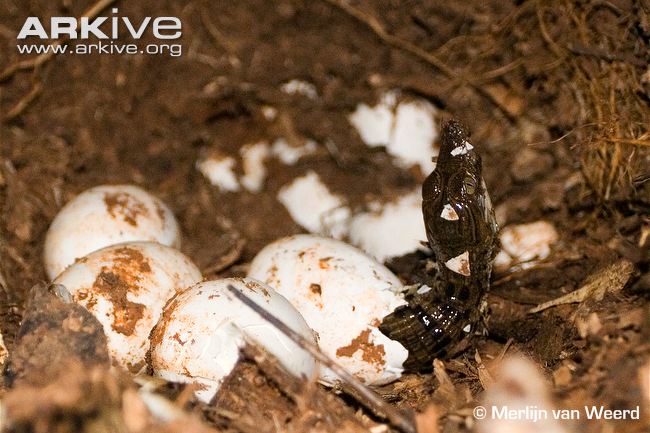
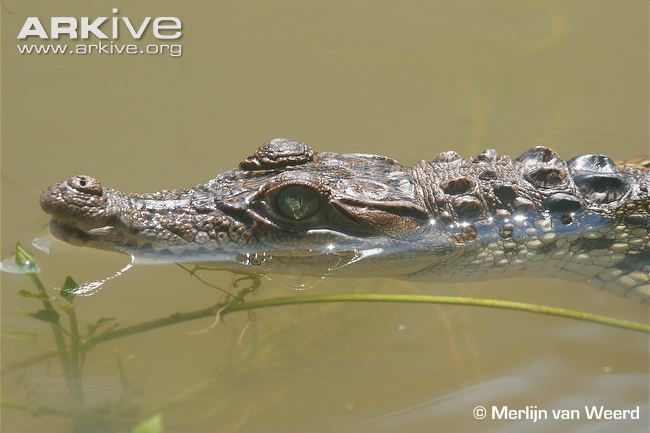
The Philippine crocodile is one of the most endangered freshwater crocodiles. It is small with a relatively broad snout and thick bony plates on its back. Until recently, the Philippine crocodile was considered a subspecies of the very similar New Guinea crocodile (Crocodylus novaguineae).

Biology

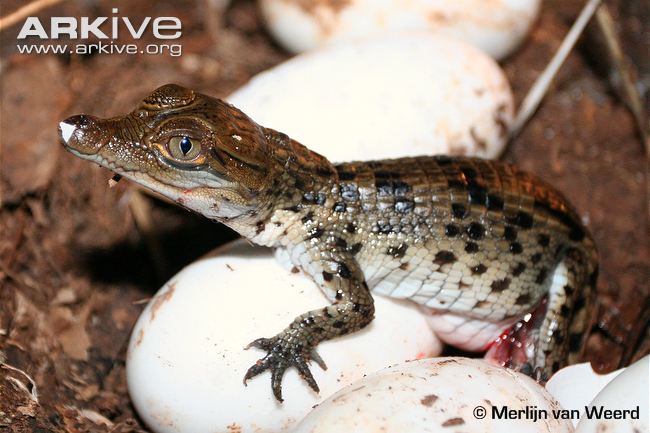
Philippine crocodiles are thought to feed mainly on fish, invertebrates and small amphibians and reptiles but very little else is known about the natural history or ecology of wild populations. In captivity, females build mound-nests at the end of the dry season from leaf litter and mud, upon which they lay a relatively small clutch of 7 – 14 eggs. Females show parental care of both the eggs and hatchlings.
 

Threats

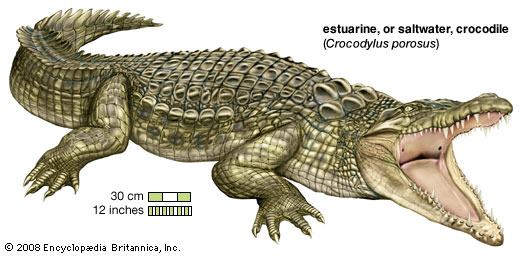
The massive population decline of the Philippine crocodile was originally caused by excessive over-exploitation for commercial use (2). Today, habitat destruction is the most pressing threat to species survival, with rain forests being cleared throughout the region to make way for rice fields in an effort to cope with the human population explosion (2). Locals in this area are also in contact with the infamous esturine or ‘saltwater’ crocodile (Crocodylus porosus), which is one of the largest reptiles in the world and has a reputation as a man-eater. This factor undoubtedly contributes to local intolerance of any crocodile species, even the small Philippine crocodile, which is often killed when encountered (5). The very word for ‘crocodile’ in the Filipino language is a vile insult.


Conservation

Next to the Chinese alligator (Alligator sinensis), the Philippine crocodile is considered to be the most endangered crocodilian in the world. Some authorities believe there may be less than 100 individuals left in the wild , although some wild habitat still remains. Urgent research is needed to assess the current status, in order to implement an effective management strategy for this remaining wild population. This species is protected from international trade by its listing on Appendix I of the Convention on International Trade in Endangered Species (CITES), but there is only one officially protected area within the Philippines, and this is poorly enforced. At present, captive breeding takes place in a small programe run by the Silliman University and at the government-run Crocodile Farming Institute, which breeds crocodiles for commercial and conservation reasons. Sadly, there is currently little political will or local tolerance to save this ancient reptile in the wild and for the short term at least, captive breeding programs may be the key to the, at least nominal, survival of this crocodile.
You must be logged in to view this content. Free Virtual Library Registration Here

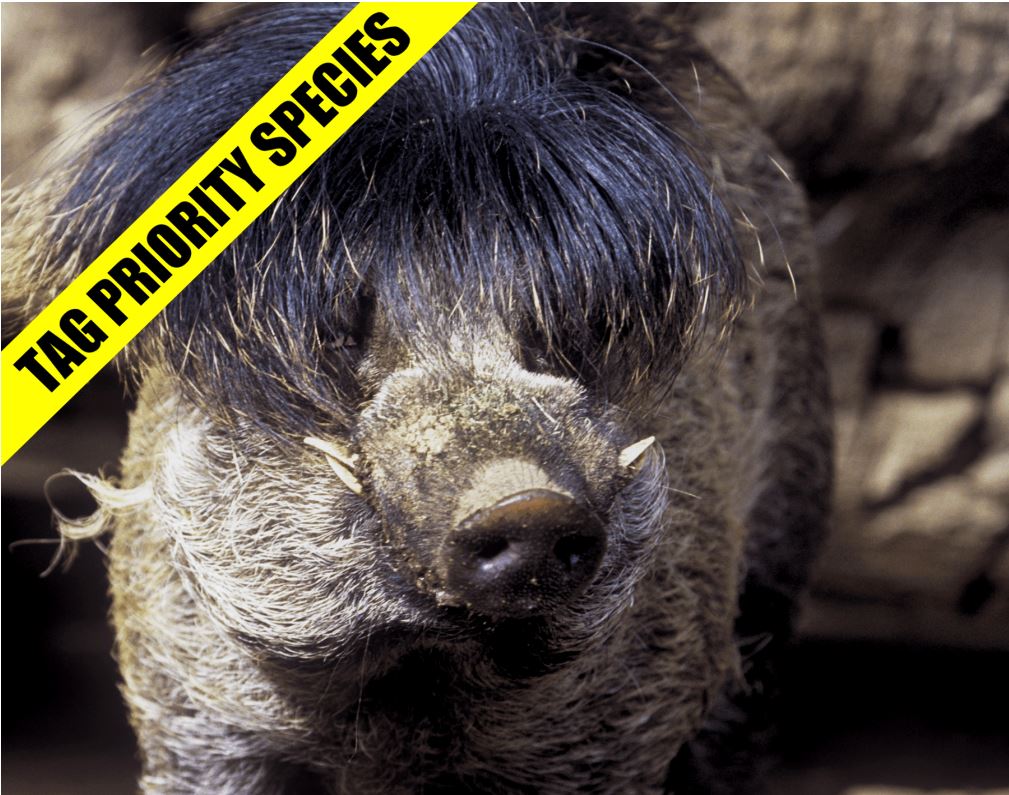
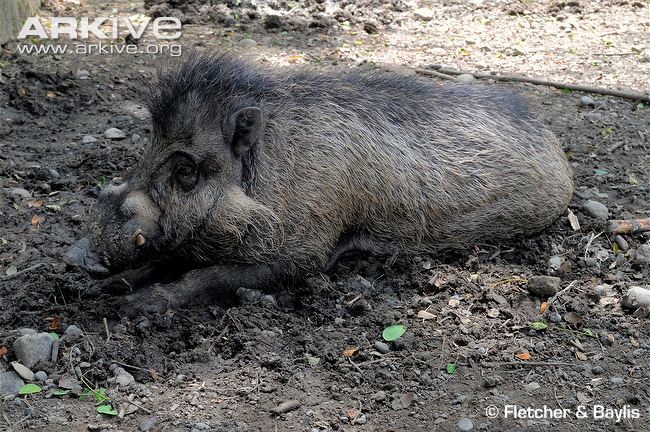
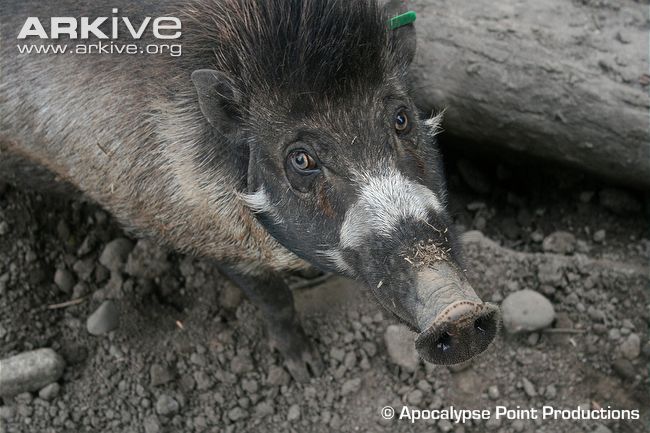
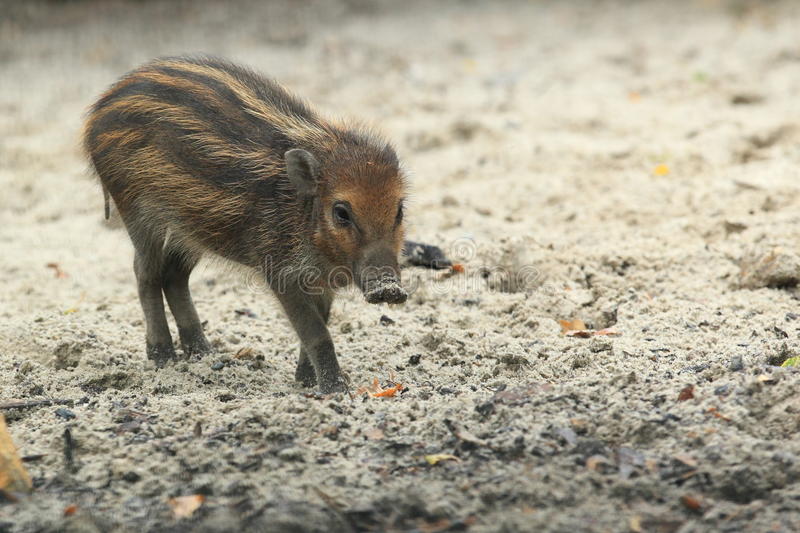
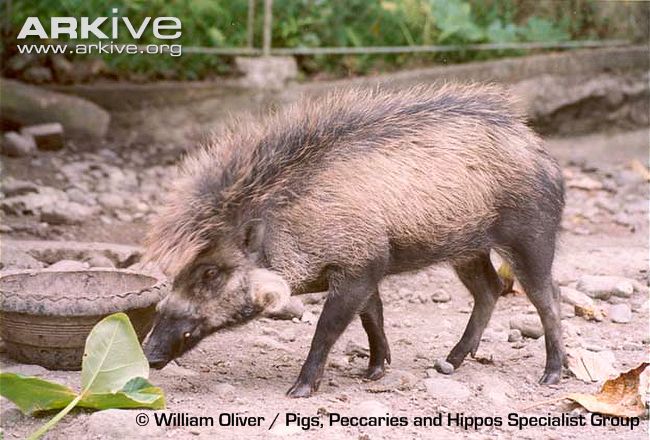
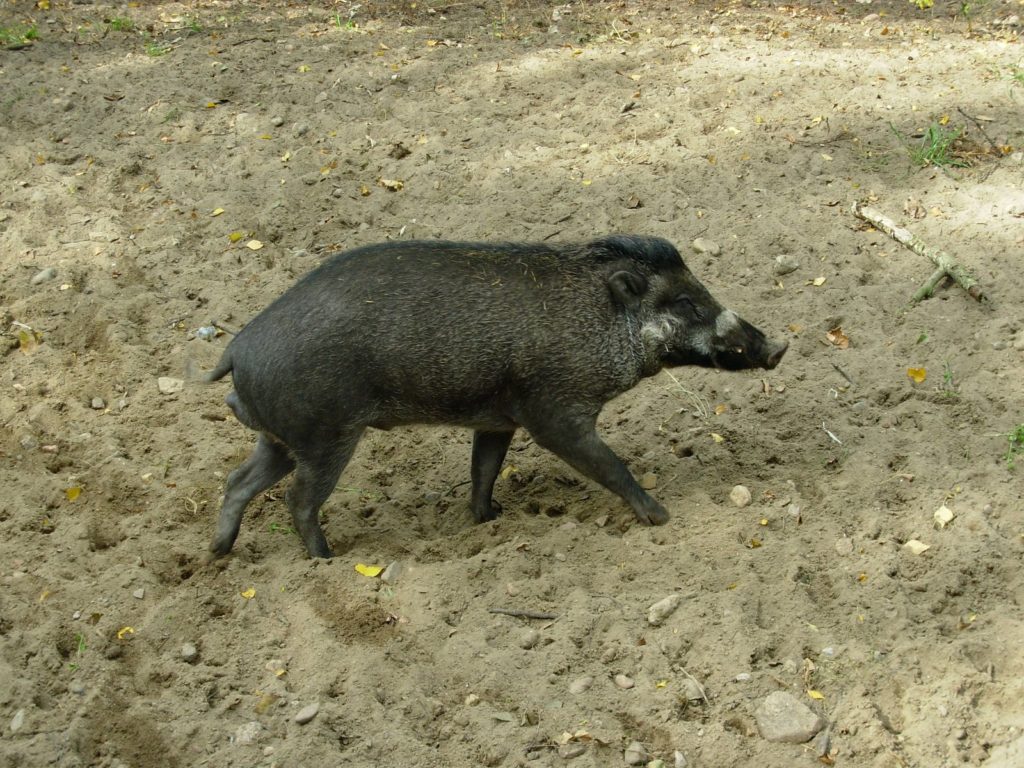
Visayan Warty Pig Wild Swine with a WILD Look

Why exhibit Visayan warty pigs?

  •  Help save this species now! The express purpose of this captive breeding program is to act as a genetic insurance policy: hybridization with feral pigs is a major threat to wild populations.
  • Present a spokes-species for island endemism, and tell the stories of habitat loss, human impacts on islands, and the bush meat trade. The Visayan warty pig is listed as #104 on the list of the most evolutionary distinct, globally endangered (EDGE) mammals.
  • Create an instant hit with your visitors! This species needs no help endearing itself, from the striped piglets to the “punk rocker” males with a mohawk mane of hair.
  • Challenge the public perception that pigs are heavy and awkward by providing this species with climbing opportunities — and create an exciting exhibit at the same time.

You must be logged in to view this content. Free Virtual Library Registration Here

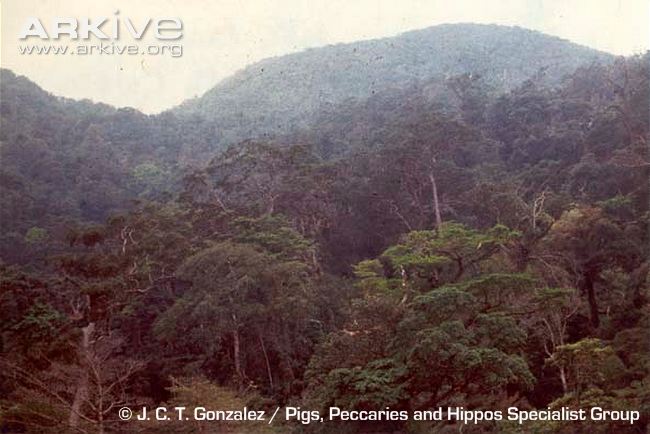
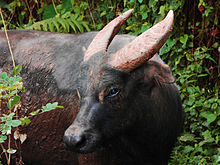
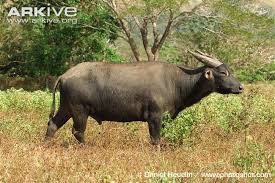
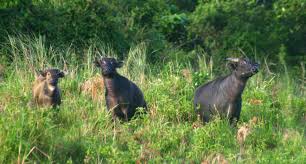
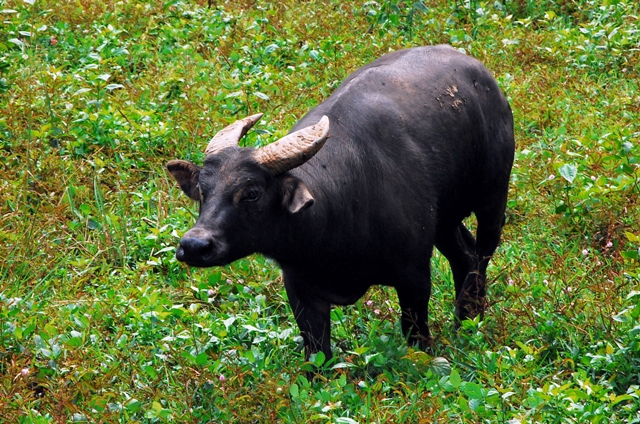
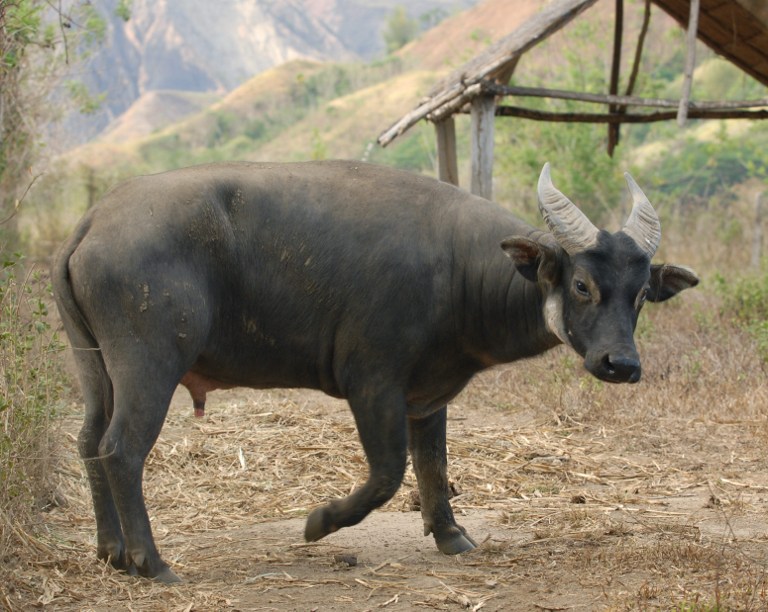
Tamaraw Habitat Assessment an Exploration of Inner Mindoro Island

The Tamaraw, Bubalus mindorensis, is listed as ‘Critically Endangered’ on the IUCN Red List of Threatened SpeciesTM. It is the largest mammal endemic to the Philippines and can only be
found on the island of Mindoro.

The main current threat to the Tamaraw is habitat loss due to farming by resettled and local people. Historically, this species was hunted for both subsistence and sport, which led to a
period of drastic decline in numbers of individuals and populations. The introduction of cattle in the past also caused a rinderpest epidemic that contributed to a further decline in numbers.
The Tamaraw population has now stabilized and has even shown signs of recovery due to the total ban on sport hunting, closure of nearby ranches, and more intensive patrolling and
awareness activities.

The Tamaraw is listed on CITES Appendix I and also receives total protection under Philippine law. A captive breeding programme for this species proved unsuccessful, and so conservation
efforts are now focused on protecting the wild population of this charismatic Philippine mammal.[/vc_column_text]

You must be logged in to view this content. Free Virtual Library Registration Here


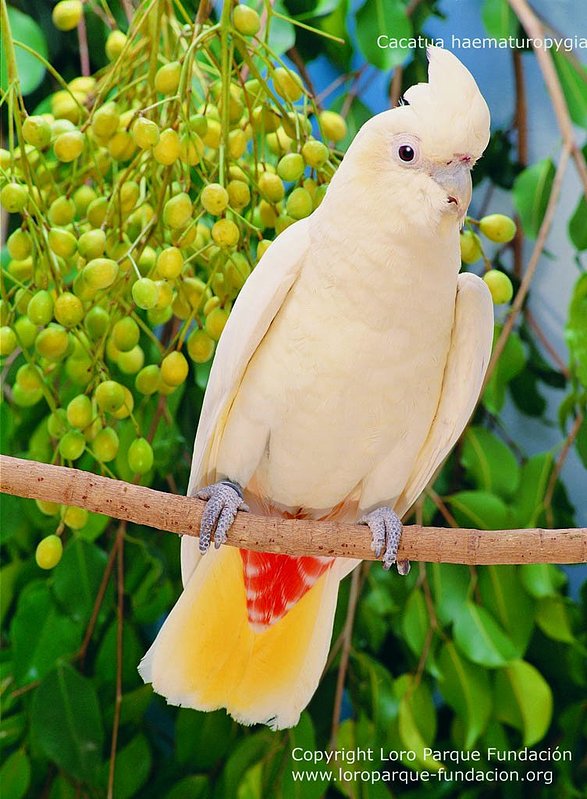
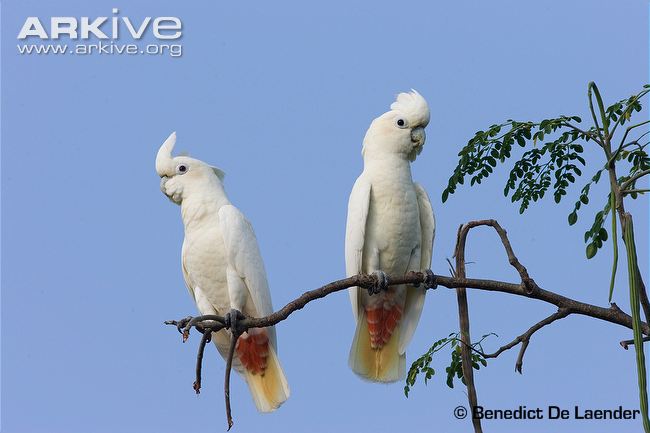
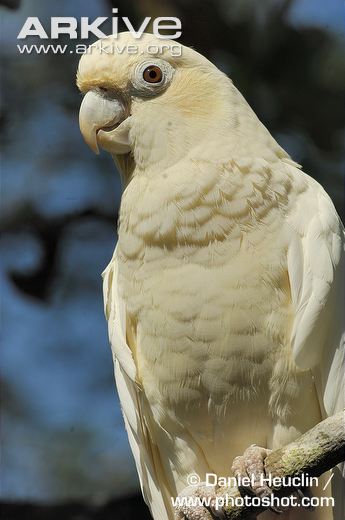
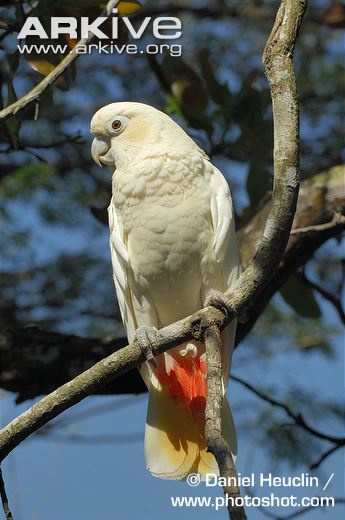
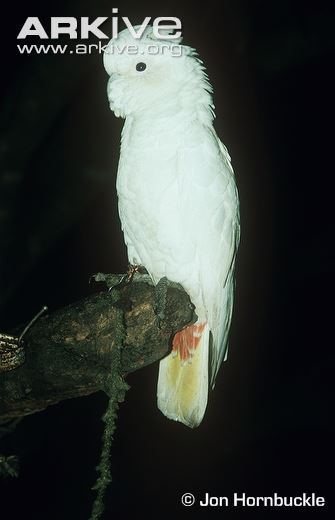
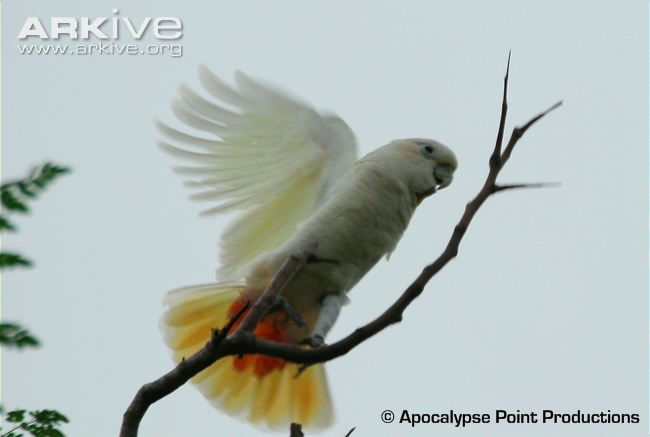
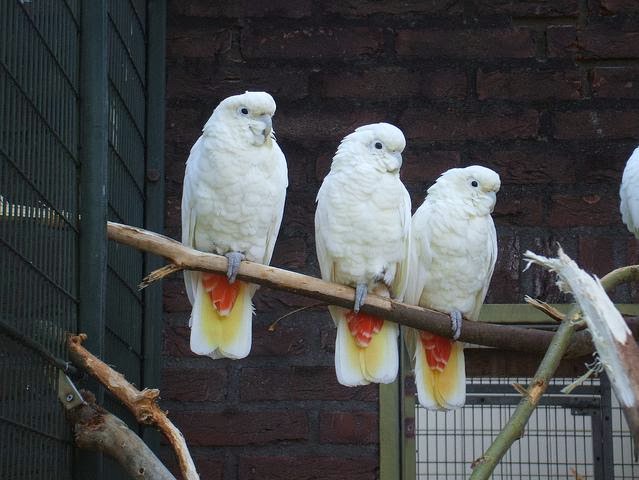
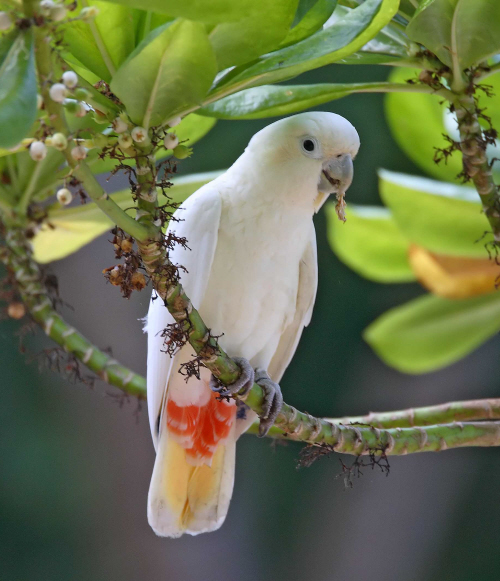
Philippine Cockatoo (Cacatua Haematuropygia)

Cacatoès des Philippines. Previously widespread in the Philippine islands, this cockatoo now numbers perhaps less than 1,000 and is reduced to only a few places. Its stronghold being the island of Palawan where the LPF supports the conservation programme run by the Katala Foundation. The supporter partnership includes Chester Zoo, CEPA and ZGAP.

This beautiful, white cockatoo is found only in the Philippines. Covered in white plumage, but with bright red and yellow undertail, this stunning bird is highly sought after in the pet trade. Its unusual ability to mimic the human voice makes this species even more desirable. Poaching, selling and buying of cockatoos have been one of the primary causes for the decline in numbers.

Mangroves and primary forests are vital habitat for feeding and breeding. These forests are being cleared for cultivation, urban development or mining. With numbers estimated at between 370 to 770 adults, the Philippine Cockatoo is classified as critically endangered.

The Katala Foundation has been working hard to conserve the species, however they need more support and engagement from local people to prevent the extinction of this unique bird.

You must be logged in to view this content. Free Virtual Library Registration Here

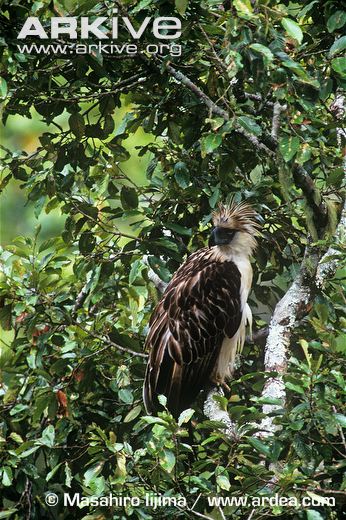
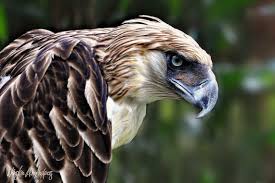
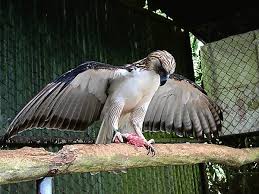
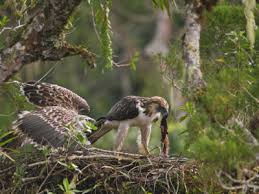
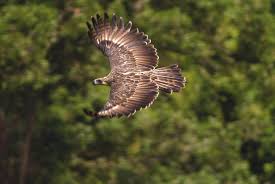
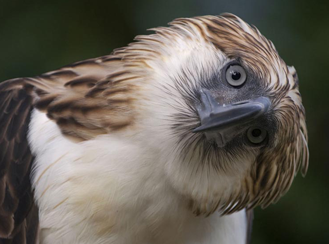
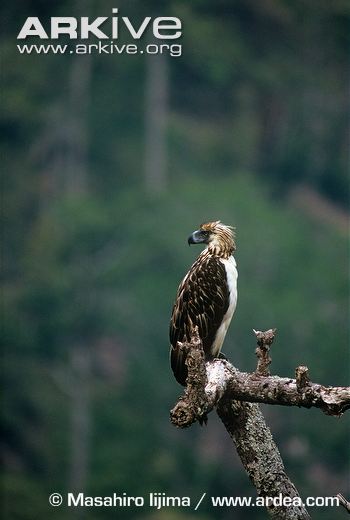
Critically endangered: The Philippine Eagle – What Do We Know After a 100 years

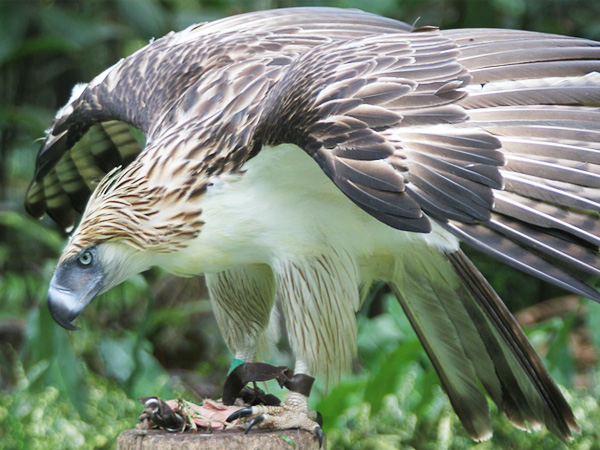
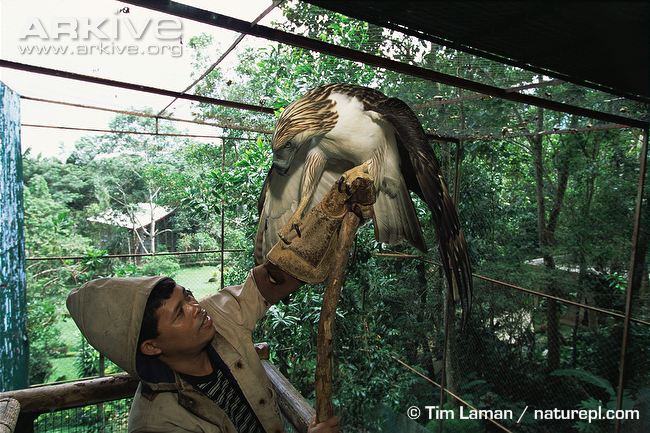
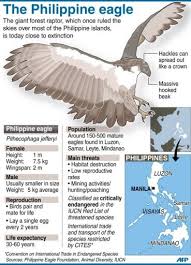
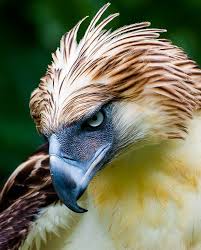
The Philippine Eagle is a giant forest raptor endemic to the Philippines. It is considered to be one of the three largest and most powerful eagles in the world. Unfortunately, it is also one of the world’s rarest and certainly among its most critically endangered vertebrate species.

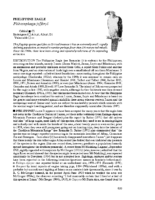
The Philippine eagle also known as the monkey-eating eagle is the world’s largest eagle, and one of the most threatened raptors. The male and female Philippine eagle are similar in appearance, possessing a creamy white belly and underwing, whilst the upper parts are a rich chocolate-brown, with a paler edge. The long feathers of the head and nape form a distinctive, shaggy crest and are creamy-buff in color with black streaks. Philippine eagle chicks have white down, and juveniles are similar in appearance to adults but have white margins to the feathers on the back and upper wing. The Philippine eagle has heavy, yellow legs with large, powerful claws, and the large, deep bill is a bluish-grey

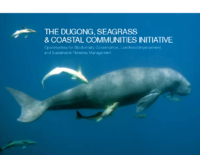
Dugong or Sea Cow a Protected Marine Mammal of the Philippines

The dugong is the only entirely marine mammal to feed exclusively on plants, a trait that leads to its other common name of ‘sea cow’.

These large, rotund animals have short, paddle-like front flippers and a fluke-like tail, with a straight or concave edge, that is used for propulsion. The thick skin is a brownish-grey colour and there are short, coarse hairs sparsely distributed over the body but concentrated as bristles on the muzzle.

All dugongs grow tusks but these only break the skin, and therefore become visible, in mature males. The large, rounded snout ends in a cleft, muscular upper lip that hangs over the down-turned mouth.

The dugong has been traditionally persecuted by humans throughout much of its range for its meat, hide and oil.

Its rather slow movement, large size and dependence on coastal habitats have made the dugong particularly vulnerable to human impacts, while the low reproductive rate, long generation time and high investment in each offspring mean populations can take a long time to recover from any losses. Fishing nets have also been a major cause of population decline, as dugongs are unable to hold their breath for more than about 12 minutes and therefore easily drown once entangled. In addition, the seagrass ecosystems on which this species depends are highly sensitive to human impacts, such as from mining, trawling and dredging.

Dugongs have decreased in number throughout their range to the extent that in some areas only relict populations remain, but a significant stronghold still persists in Australia. Even here, however, these animals are under threat from fishing nets, habitat loss from the silting of sea grass beds, pollution, boat traffic and illegal hunting.