Talking about troubled waters

By Patricia Bianca S. Taculao via Agriculture Monthly

Life in the Philippines also comes from the sea that surrounds the archipelago. According to the Food and Agriculture Organization of the United Nations, the Philippines ranked 8th among the major fish producing countries in the world in 2012. We had a total production of 3.1 million tonnes of fish, crustaceans, mollusks, and other aquatic animals.

But the country’s ranking has gradually decreased to 12th with the increase of its marine treasures’ prices. The recent issue about the importation of galunggong has also left people wondering if there is a shortage in our fish supply.

Working hand in hand

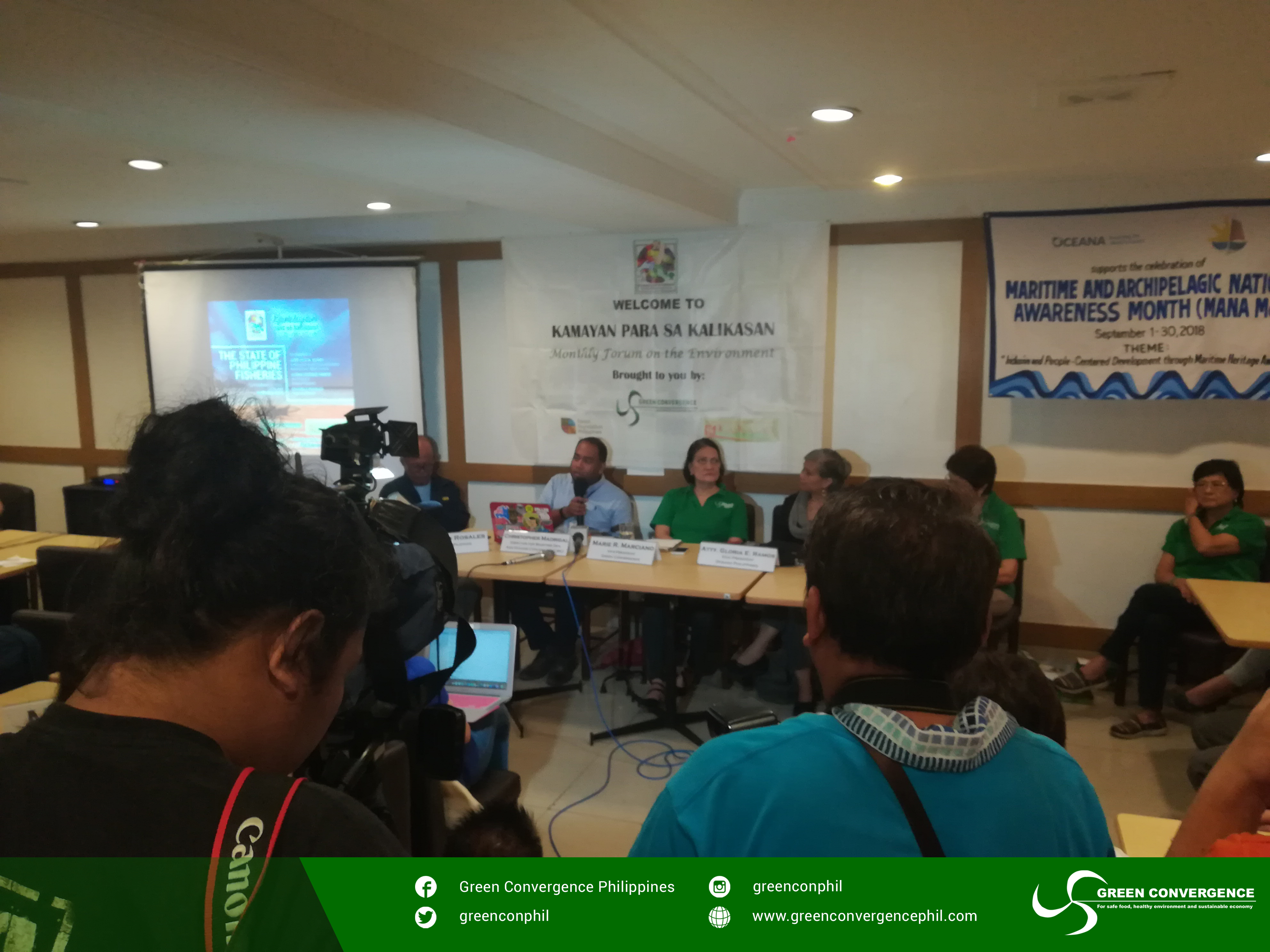
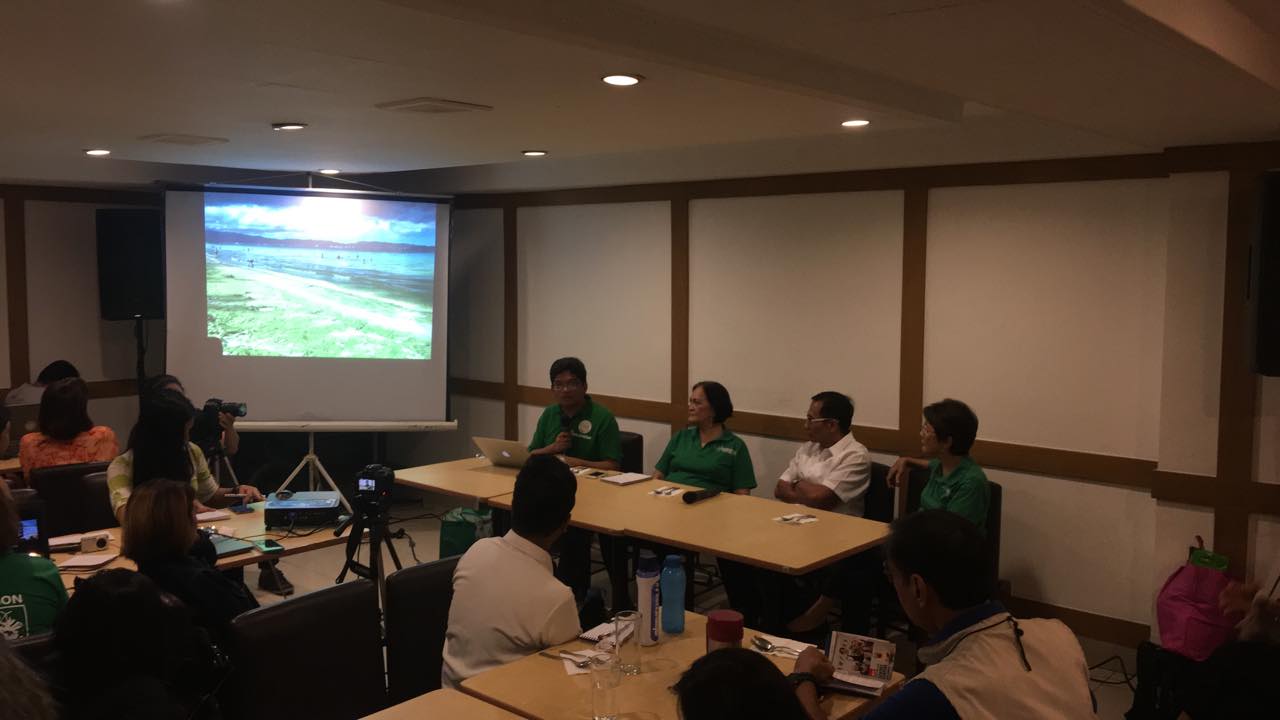
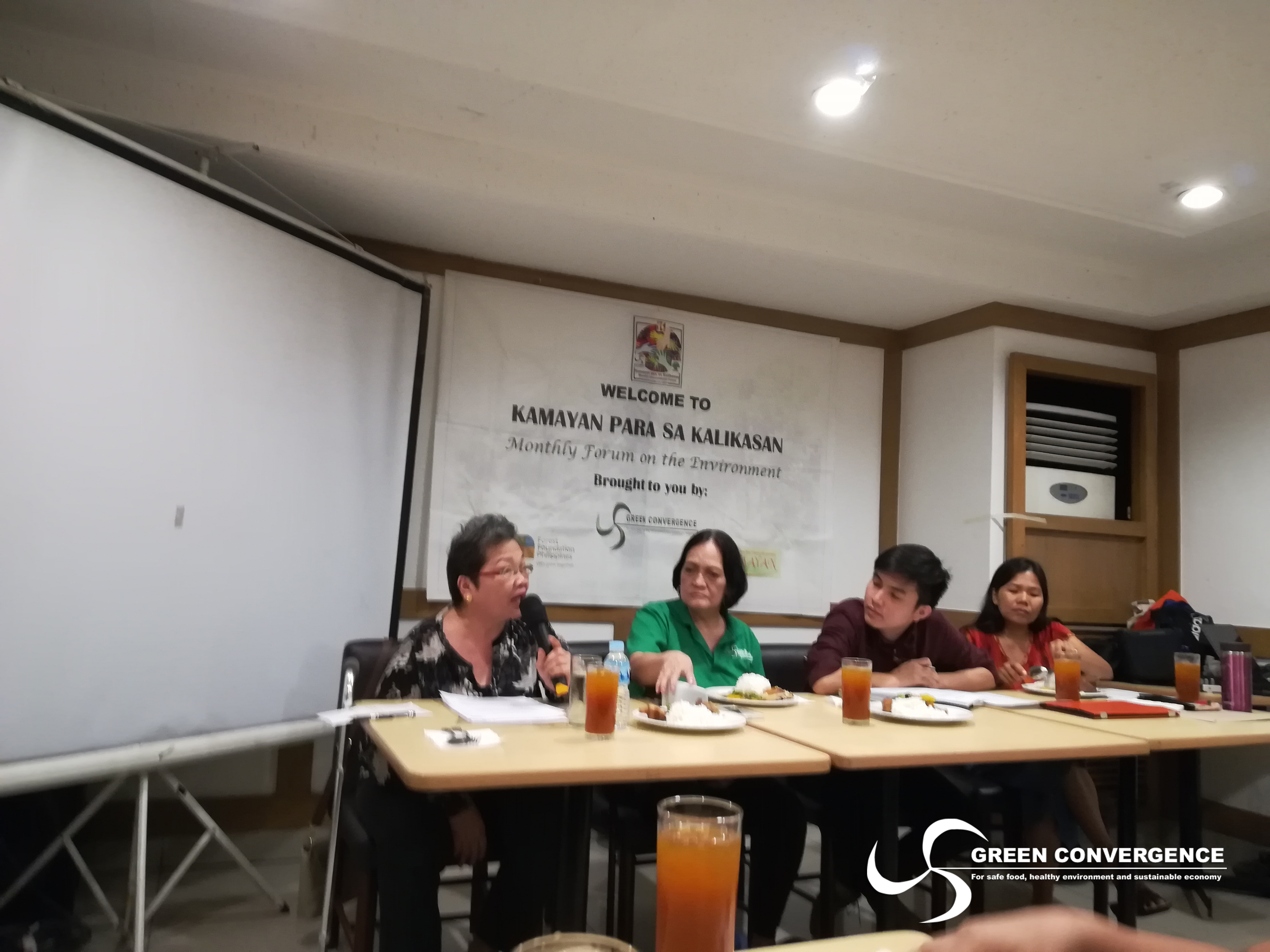
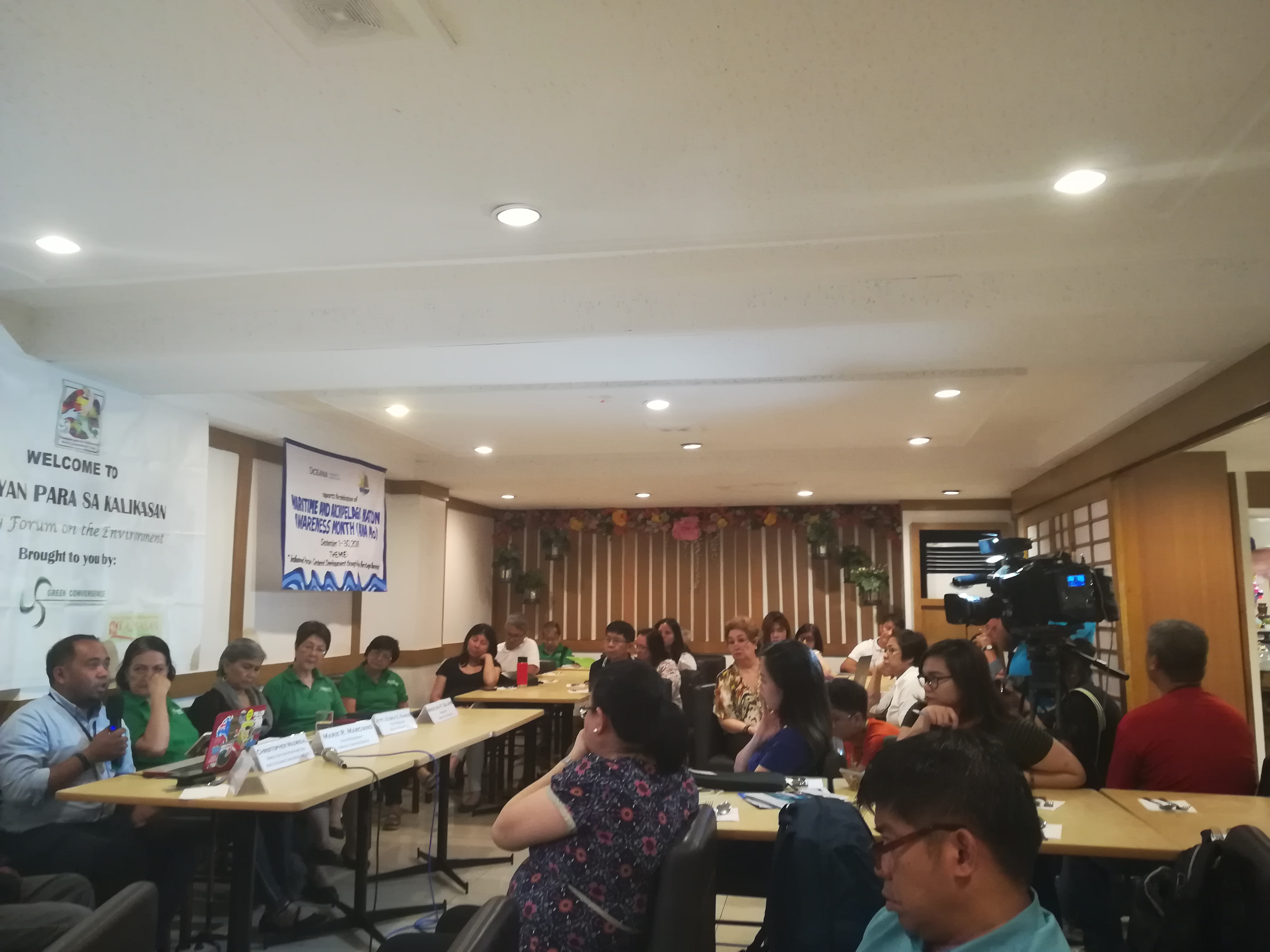
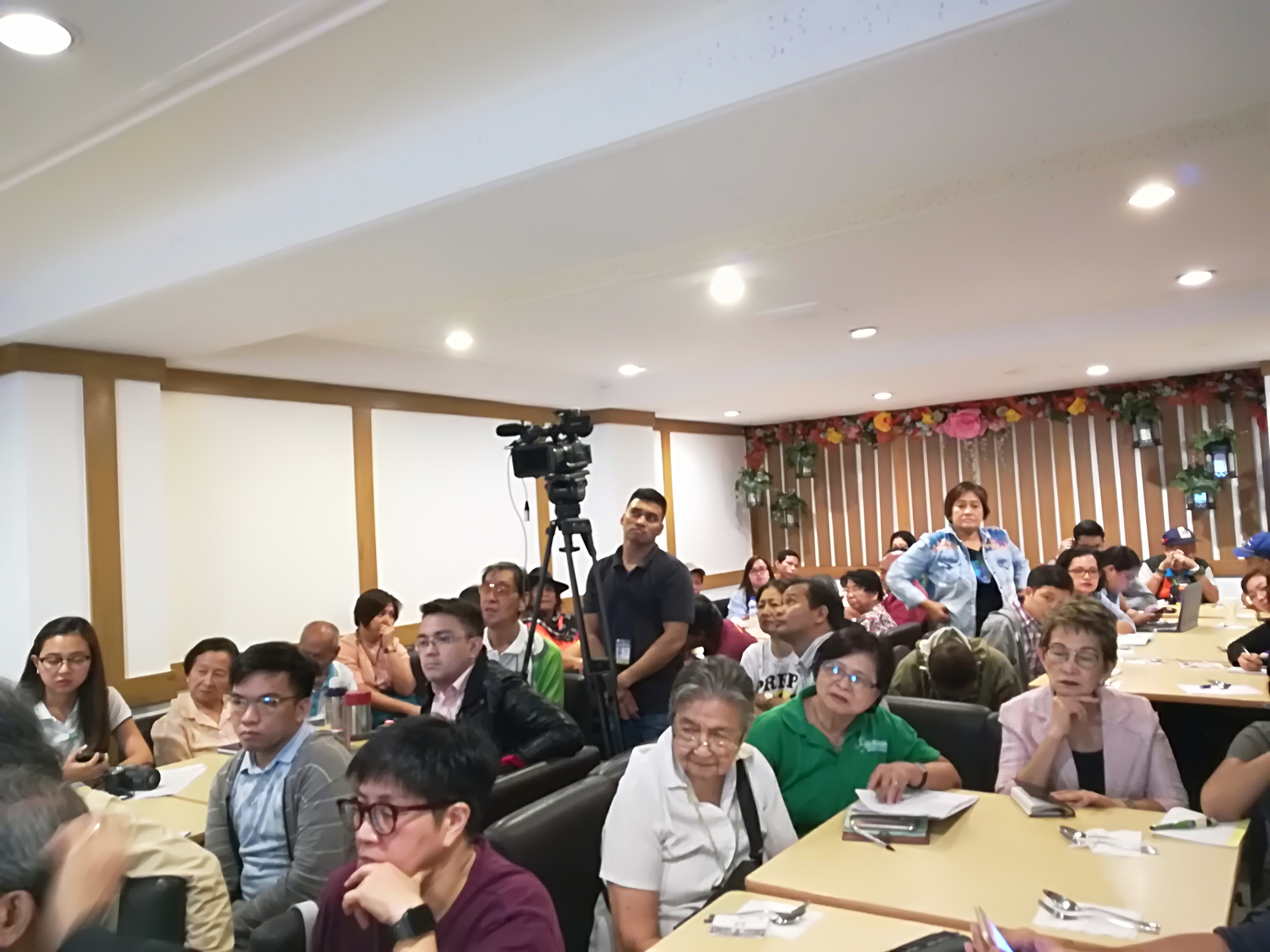
Kamayan Para Sa Kalikasan, the longest running environmental forum in the Philippines, recently held its 342nd session which tackled The State of Philippine Fisheries.

It is hosted by Green Convergence, a non-government organization that addresses social and economic upliftment while preserving natural resources. In partnership with Forest Foundation Philippines and Kamayan, the forum brings in representatives from the government, NGOs, LGUs, and fisherfolk to discuss issues about the country’s waters.

From left: Pablo Rosales of Pangisda Pilipinas, Director for Maritime Development and Oceans Concerns (NCWC) Christopher Madrigal, Vice President of Green Convergence Marie Marciano, Vice President of Oceana Philippines Gloria Ramos, and Green Convergence President Angelina Galang.

Other than dealing with a timely topic, it also coincides with the celebration of the Maritime and Archipelagic Nation Awareness Month (MANA Mo) this September. Maritime Development and Oceans Concerns director Christopher Madrigal, Oceana Philippines vice president Atty. Gloria Ramos, Manila Bay Clean Up Program of Department of Local and Interior Government project head Carlos Tan, and Pangisda Pilipinas representative Pablo Rosales shared their experiences and expertise.

The issue with our fisheries

One of the issues that plague our country’s fishing spots is also one of the oldest reason: dynamite fishing. Despite the legal actions taken to prohibit destructive fishing, the decline in fishery production is still evident due to the damages that are sustained by coral reefs.

Another problem at hand is commercial fishing. This is the process of catching as many fish as possible to be later sold at a marketable price. These prices, according to Rosales, are cheaper than what the fishermen offer.

With technology that exceeds our own hook and line fishermen, commercial fishing poses a threat to their catch as well as profit.

But in totality, the representatives present during the forum concluded that fisheries in the Philippines are overexploited which leads to the growing scarcity of fish and the dramatic rise of its market price due to demand.

Support and discipline

Rosales laments the poor conditions that have befallen fisherfolk as well as the gradual depletion of the country’s fisheries. “Ang kalagayan ng mangingisda ay repleksyon ng kalagayan ng ating karagatan,” he says. 

The Pangisda Pilipinas representative then encouraged his countrymen to support fish products procured from the hard work of local fishermen.

Apart from supporting local, Ramos also calls upon the initiative of the Filipinos to follow and respect maritime laws for a more productive outcome. And, of course, to preserve the marine wonders that the country is blessed with.

Kamayan Para Sa Kalikasan convenes every third Friday of the month with new topics each meeting. The next topic will be confirmed by Green Convergence prior to the forum itself.

The forum is held every third Friday of the month at the Kamayan Restaurant along EDSA and is open for all those who are interested to attend. For more information, visit Green Convergence Philippines on FaceBook at facebook.com/greenconvergencephilippines/.
Monsters of today: lessons learned from forum on greenhouse gases

2018 07 00 Typhoon Yolanda arriving in the Philippines photo by NASA

By Tricia Buendia, Haribon Membership, edited by Haribon Membership Visibility Committee via Haribon Foundation

Haribon member Tricia Buendia shares this reflection after attending the Kamayan Forum on Philippine NDCs to reduce global greenhouse gases with Green Convergence last June 2018.

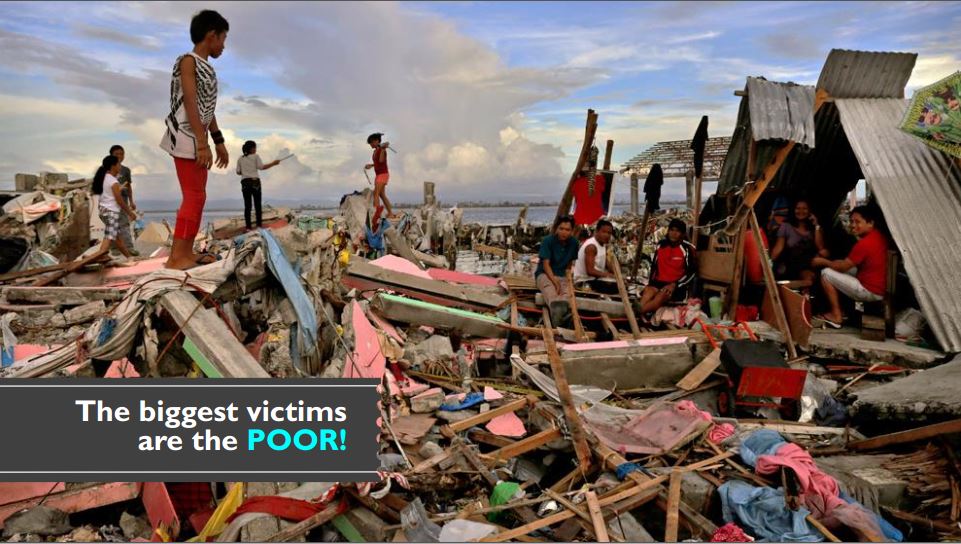
Every year monsters visit and haunt the Philippines. We name each one, anticipating its destruction on the country. Each visiting monster passes through, devouring souls and resources. These monsters are our typhoons.

Typhoons get stronger and leave devastating impacts. Though humanity has leaped forward with many innovations, mother nature continues to be ignored, making life difficult for those impacted by these typhoons.

Humans are changing the world… not necessarily in a good way

The 21st century has brought about new technologies, mobile apps, and smartphones. But it also marks the beginning of increased attention on our environment from climate change to the affects of our plastics.

Half of all the plastics ever made were manufactured in the last 13 years, and almost all of it still exists. They sit in landfills or float in oceans disguised as food for hungry animals, making them sick or killing them. Or just as worse, they become part of our food.

Companies produce tons of products and services yet they still neglect and/or violate policies and laws that protect the environment. This results to toxic gases released in the air, various waste discharged in waterways, balding mountains, and other issues which result in natural and man-made disasters. All of this claiming the lives of people, with a high cost of damages to society every year.

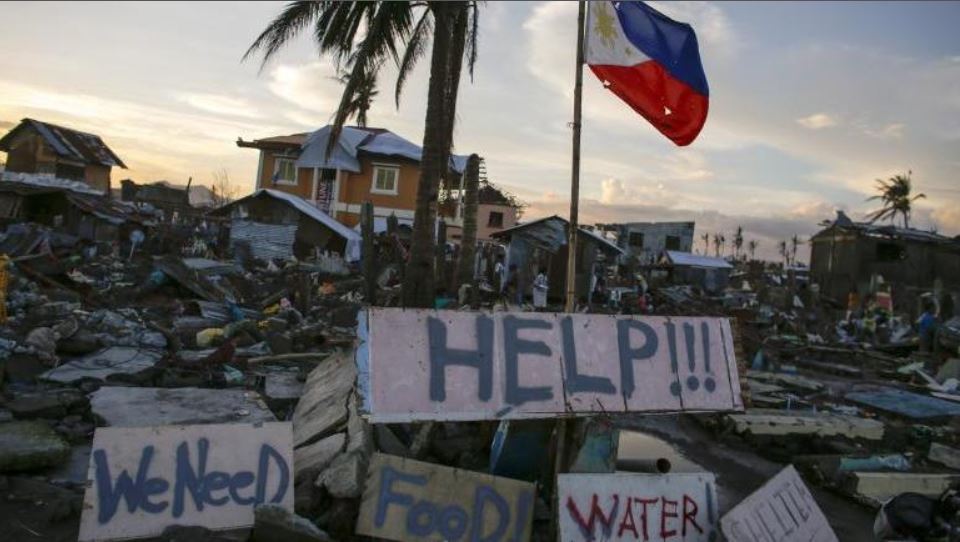
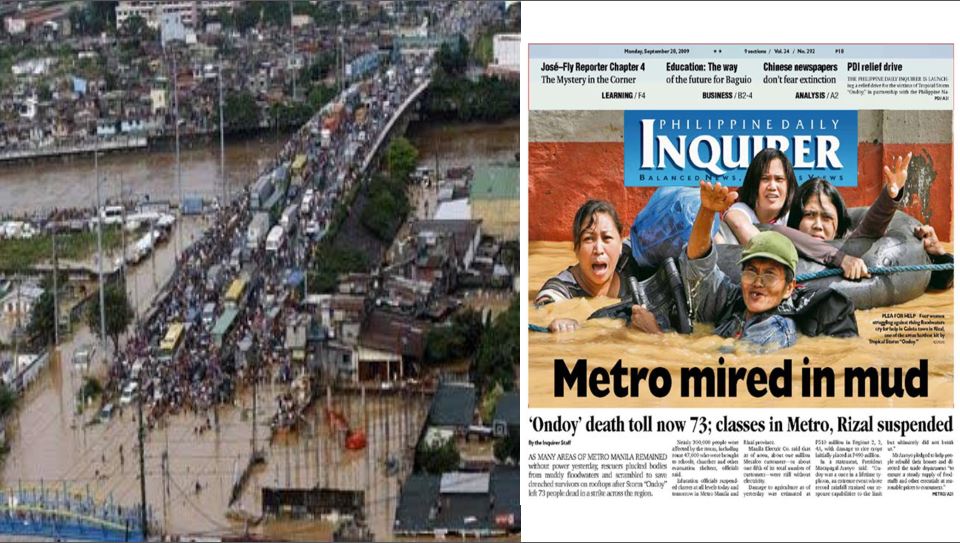
Specific cases worth mentioning are Tropical Storm Ondoy (Int: Ketsana) in 2009 and Super Typhoon Yolanda (Int: Haiyan) in 2013. P4.81 billion pesos (or USD $101 million) and P9.46 billion pesos (or USD 177 million dollars) in damages were made respectively, and it took years to rehabilitate, in some areas they are still recuperating today. With the wrath of mother nature, no one can be safe.

Climate change is not only a problem for the Philippines, it is a worldwide concern. Countries all over the world have gathered and made agreements like the Paris Agreement and Kyoto Protocol to stand together and make firm impacts to lessen the affects of climate change.

2018 07 00 Kamayan Forum by Green Convergence

What is being done to combat climate change?

Nationally, organizations are coming together in consortiums to work on common advocacies such as climate change or the protection of the environment. One example is URGENT, where members of different sectors have come together to combine efforts to strengthen ecology, promote climate change education, and create public discourse, with the hope that this results in raised awareness in the general public and the lessening of their carbon footprint.

80 percent of the population are Catholic, so there is potential to promote interest in protecting the environment through the Laudato Si’, Pope Francis’ encyclical letter citing the urgent need of improving our lifestyles for the sake of our shared environment. The church can encourage the public to reflect and act with goodwill to help the planet.

On the side of the government, the Climate Change Commission has continuously worked on climate change mitigation and adaptation policies. It is hoped that these policies will also supplement livelihood opportunities through proper management of our natural resources. The commission is also active internationally in summits and thus aligns local policies with agreements and treaties from the United Nations (eg. United Nations Framework Convention on Climate Change). Non-governmental organizations supplement these actions as well through awareness-raising and facilitating the drafting of policies and bills to strengthen environmental laws.

A bill was filed by Senator Loren Legarda proposing the use of reusable bags and the minimal use of single-use plastic bags, and is currently pending. And recently, a bill by Senator Risa Hontiveros was filed proposing the call of eliminating the use of plastic straws and stirrers in establishments.

It is also important to give attention to forestry, which should not just cover tree species but also the ecological services forests provide for flora and fauna, including human beings. Civil society organizations, in partnership with advocates, scholars, and practitioners, make time to research and share studies and statistics to be disseminated to the public. These are the steps needed to educate the public about the environment and climate change.

Our actions, from our government to our everyday lives, can and will add up

With the subsequent calamities seen today, it is evident that the call to protect the environment and lessen climate change impacts are what is needed in order for the nation to progress. There is a call for local and national leaders take a stand and support in passing laws that protect nature.

It is vital for everyone to take part in simple actions like segregating waste, planting trees, and reducing single-use plastic consumption. These “simple acts” have a sizable influence if every individual in the country, or the world, sustains these habits 365 days a year. Think about the amount of waste we will reduce, and the flora and fauna we will save! — You do the math.

Green Convergence forum takes on Philippine fisheries


Representatives from the National Coastal Watch Council, Oceana Philippines, Pangisda Pilipinas and the Department of Interior and Local Government discussed the state of Philippines fisheries and talked about ways to solve its immediate concerns.


Environmental Coalition Green Convergence held the 342nd session of the monthly Kamayan Para sa Kalikasan Forum on September 21, 2018 (Friday) at Kamayan Restaurant, Greenhills, EDSA, Mandaluyong City.

The recent approval by Agriculture Secretary Piñol of the importation of up to 17 metric tons of galunggong fish between September and December this year amidst its rising price despite the country’s vast aquatic resources, has prompted the forum organizers to once again scrutinize the government’s efforts towards national food security.

“It has always been our call to the government that our agriculture must prioritize food security for Filipinos above the global market,” says Dr. Angelina Galang, President of Green Convergence, adding further, “we have to support our fisherfolk, assert our national sovereignty in the West Philippine Sea, and ensure sustainability of our aquatic resources.”

Oceana Philippines Vice President Gloria Estenzo Ramos and representatives from the government and the civil society presented their programs and actions for the development, protection and sustainability of the country’s fisheries.  Future steps and measures to address gaps are also discussed.

The official poster of the forum


Now on its 29th year, Kamayan Para sa Kalikasan Forum has become an institutionalized platform since March 1990 that enables NGO and government representatives, the media, students, teachers, church groups, and concerned citizens to discuss pressing environmental issues in the country. This month’s forum is co-organized by Oceana Philippines and is sponsored by Kamayan Restaurant and Forest Foundation.

You must be logged in to view this content. Free Virtual Library Registration Here

Environmental groups decry return of “monsters”

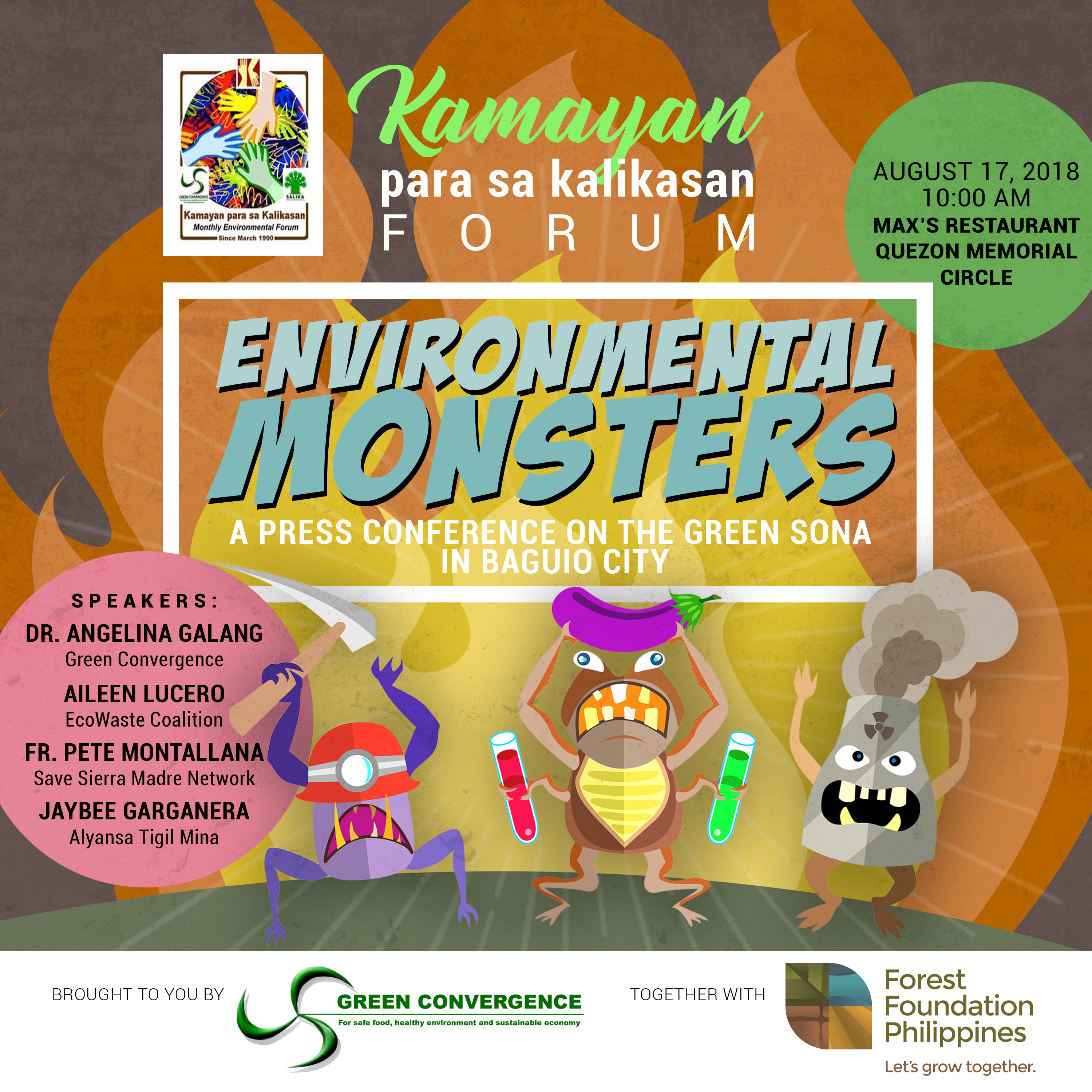
Environmental advocates convened for a press conference to call for the stop of the return of environmental monsters in the Philippines.


Environmental Coalition Green Convergence held another installment of the monthly Kamayan Para sa Kalikasan Forum on August 17, 2018 (Friday) at Max’s Restaurant, Quezon Memorial Circle, Quezon City.

As a prelude to the upcoming annual Green SONA (State of Nature Assessment) held in Baguio City on August 20 with the theme “Environmental Monsters are Back! Superheroes Needed!” the forum speakers sounded an alarm over the return of “monsters” in the country after they had been effectively neutralized in the past — specifically nuclear power, incineration, genetically modified organisms (GMOs), large-scale mining and giant dams, which pose serious threats to public health and safety, as well as to our environment and ecology.


The official poster for the press conference


“Generations ofenvironmentalists have fought against these dangerous technologies since the 70s,” said Dr. Angelina Galang, President of Green Convergence. She went on to enumerate their hard-earned victories: “Incineration of municipal waste has been legally thwarted, the Bataan nuclear power plant has been mothballed, commercialization of genetically modified eggplant has been stopped, the Chico dam was not continued, the Kaliwa dam did not materialize, and large-scale mining has been effectively pushed back through non-issuance of permits by previous and present administrations.”

Other speakers Aileen Lucero of EcoWaste Coalition, Conrad Vargas of Save Sierra Madre Network and Jaybee Garganera of Alyansa Tigil Mina took turns recalling the long battles green groups waged and won against harmful technologies. However, they expressed grave concern over new calls to lift the ban on incineration as stipulated by RA 9003, the push for approval of genetically modified Golden Rice, the discussions with Russians and Koreans for the construction of a nuclear power plant, and the return of the Kaliwa Dam on the drawing board, signaling new battles that have to be fought against their return.

Now on its 29th year, Kamayan Para sa Kalikasan Forum has become an institutionalized platform since March 1990 that enables NGO and government representatives, the media, students, teachers, church groups, and concerned citizens to discuss pressing environmental issues in the country. The forum is currently also supported by the Forest Foundation Philippines.

You must be logged in to view this content. Free Virtual Library Registration Here

Forum warns vs foreign resource ownership

August 04, 2018 at 10:00 pm by Rex Arcadio R. San Diego II via Manila Standard

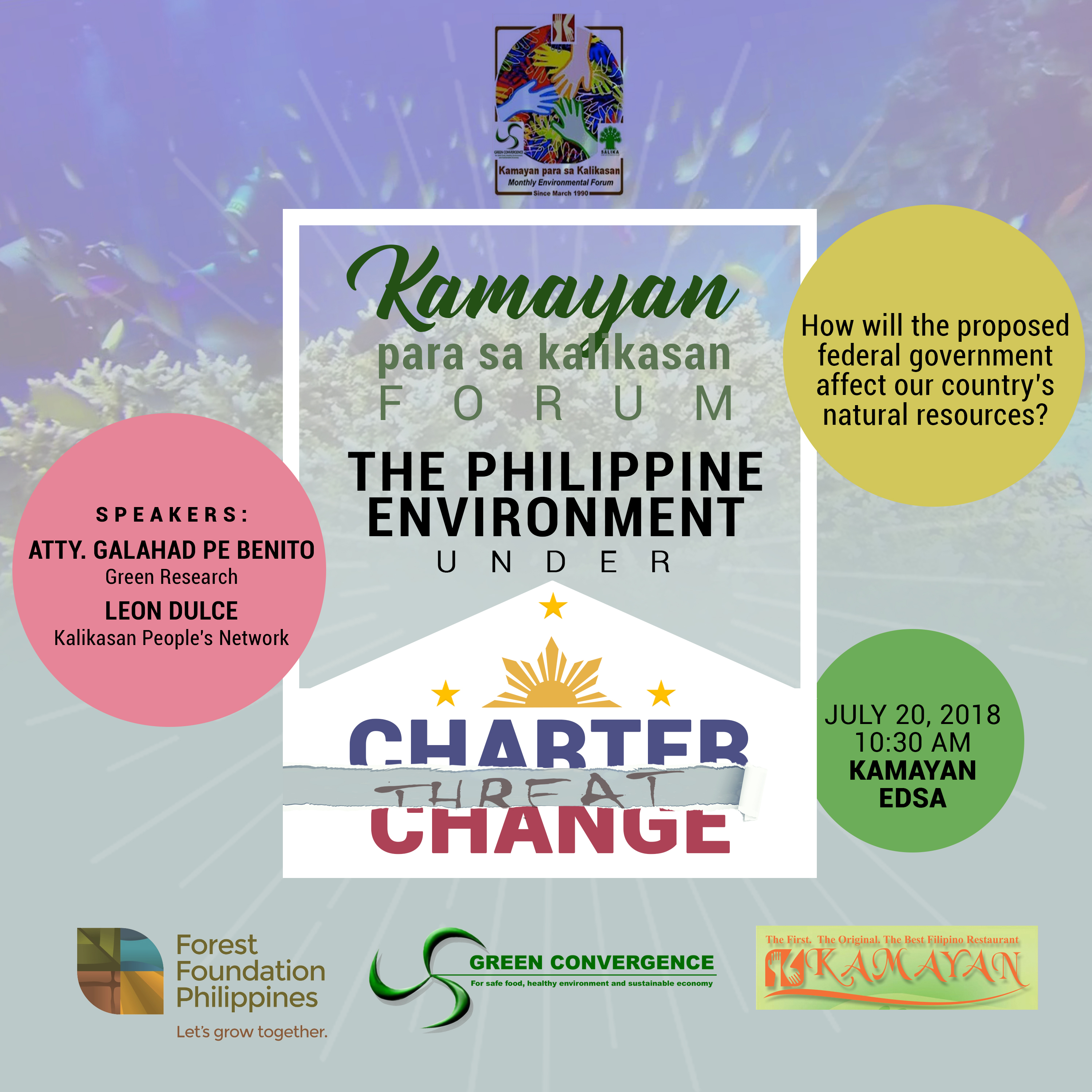
Filipinos should be more careful and cautious concerning environmental conservation contained in the proposed Federalism constitution.

Participants in the recent Kamayan para sa Kalikasan Forum at the Kamayan Edsa came to this conclusion after a discussion on how the proposed Federal government affect the Philippines’ natural resources.

As lawyer Galahad Pe-Benito of Green Research noted that the Writ of Kalikasan is reinforced in the Federalism Constitution, the audience agreed that it would be to benefit of society to be wary of the “Trojan horses embedded in the proposed shift.”

“Under the proposed Federalism constitution, Congress has absolute power to change any law—particularly those concerning the environment—they wish. In effect, this proposed charter change is a war against the environment,” cautioned Leon Dulce of Kalikasan People’s Network.

Dulce noted that under Article XII on National Economy and Patrimony of the proposed Federal Constitution, foreigners are given opportunities to own properties in the Philippines 100 percent, a big difference from the 60/40 setup allowed under the 1987 Constitution.

“Even coastal areas are now open for foreign, private ownership. And 100 percent foreign ownership is detrimental to society” Dulce warned.

According to Dulce, most public lands—including timberlands, mineral lands, reclaimed lands, national parks and even mangroves—are open targets for reclassification to allow private ownership, which makes critical ecosystems “vulnerable” to exploitation.

Leasing of lands also exposes resources to overuse and overcapacity as businesses prioritize profits over resource conservation.

Citing the case of Boracay, Dulce also raised concerns about proper and independent monitoring.

“Instead of deploying hundreds of scientists, researchers and environmental experts to monitor developments in Boracay, the government sent 800 policemen. So, it is more difficult, even impossible to verify actions that are detrimental to the environment these days,” he pointed out.

Why the hurry to shift? Dr. Angelina P. Galang pointed out that modifying certain provisions in the 1987 Constitution would have the same, if not a better impact than the rushed shift.

“Perhaps there is little need to engage in a constitutional commission or charter change to address social, economic and environmental issues since the solutions are already available in the 1987 Constitution. What is lacking is proper implementation of the provisions,” explained Galang, Green Convergence convenor. “The 1987 Constitution can be improved, not necessarily changed to address environmental issues.

Kamayan Forum scrutinizes Cha-Cha’s implications to Philippine environment

Environmental coalition Green Convergence held another installment of their monthly Kamayan Para sa Kalikasan Forum last July 20, 2018 at the Kamayan Restaurant EDSA, Mandaluyong City. The forum tackled the provisions on the environment in the proposed federal government under the Duterte administration.

Atty. Galahad Pe Benito of Greenresearch discussed the said provisions one by one and related them to the already established environmental laws that we have. Leon Dulce of Kalikasan People’s Network on the other hand, explained the direct impacts of the new provisions to the most marginalized groups connected to the environment like the small-scale miners, the farmers and the indigenous peoples.

Leon Dulce of the Kalikasan People’s Network and Atty. Galahad Pe Benito of Greenresearch discussed the implications of President Duterte’s proposed charter change to the Philippine environment

Now on its 29th year, Kamayan Para sa Kalikasan Forum has become an institutionalized platform since March 1990 that enables NGO and government representatives, the media, students, teachers, church groups, and concerned citizens to discuss pressing environmental issues in the country. This month’s forum is sponsored by Kamayan Restaurant and Forest Foundation.

You must be logged in to view this content. Free Virtual Library Registration Here

Kamayan emphasizes forests’ role to greenhouse gas reduction

JUNE 15, 2018, Mandaluyong City – The 339th installment of the monthly Kamayan Para Sa Kalikasan Forum tackled the sustainable nationally determined contributions (NDCs) of the Philippines in its commitment to help reduce the global greenhouse gases as per the Paris Agreement of 2016.

Dr. Rowena Boquiren of the Haribon Foundation pointed out that the massive degradation of forests along with the rapid construction of greenhouse gas-emitting industries such as coal power plants and mining leads to the increase of the Philippines’ national contributions to the global greenhouse gases.

Sino ba ang mga nagdedeforest at naglelevel down ng mga bundok? Paano makakabawas ng GHGs (global greenhouses gases) kung fina-fasttrack ang coal power plants?” she exclaimed.

(“Who are causing the deforestation and the flattening of mountains? How can we reduce GHGs if the there is a speedy construction of coal power plants?”)

She also questioned the commitment of the Climate Change Commission regarding urgent matters like this explaining that civil society organizations are ready to be of assistance.

Gusto naming makasama sa consultation sa NDCs. Marami kaming gustong imungkahi. Pero hindi pa ito nangyayari. Wala daw kasi ang CCC (Climate Change Commission)” Boquiren claimed.

(“We wanted to join the consultation for NDCs. We have so many things to suggest. But this has never happened. CCC has not been present.”)

Dr. Rowena Boquiren of Haribon Foundation (first from left) discussed the role of forests in addressing the problems caused by greenhouse gases together with Alex Alonzo of the Climate Change Commission (second from right) and Sr. Elizabeth Carranza of the Urgent Initiative (first from right).

“The pillars of the NDCs start with political commitment which is the support of the highest level of government, then scientific evidence and stakeholder engagement,” Alex Alonzo, representative of the Climate Change Commission said in his presentation.

A member of the audience, Randy Oliva of Green Convergence questioned the agency not being urgent enough to address issues on climate change in the country considering that they’re the main force in-charge to do so in the government.

“As per EO 174, CCC has influence over inventory accounting on NDCs. The Philippines is actually ahead of other countries, even developed ones when it comes to the institutional aspect of climate change mitigation. Other countries’ governments would have to engage with all their agencies to get climate change data,” Alonzo responded.

Dominant pa rin ang issue ng political economy sa bansa natin. Climate change is triggered by anthropogenic destructions like monocapitalism, neoliberalism and even imperialism. Cultural revolution is needed to change our postcolonial mentality,” Boquiren said giving insights as to the limited capacities of the commission.

“The issue of political economy is still dominant in our country.”

This was in agreement with Sr. Elizabeth Carranza’s remarks that fossil fuel industries financed by developed countries as being largely responsible of global warming.

“The Philippines is one of the most vulnerable countries in the world to the impacts of climate change. Using Pope Francis’ Laudato Si, we call for ecological conversion and change in lifestyle in our country” she said.

Further emphasizing the urgency of NDCs, Boquiren mentioned that “Global temperatures will rise to 2.6 to 3.1 degrees Celsius by 2100. We have to be critical on the appropriations for each sector for the NDCs.”

Sr. Elizabeth Carranza of the Global Catholic Climate Movement (GCCM) Pilipinas and the Urgent Initiative, Alex Alonzo of the Climate Change Commission, and Dr. Rowena Boquiren of the Haribon Foundation served as speakers of the discussion.

Kamayan Para sa Kalikasan Forum is a monthly event of Green Convergence sponsored by Kamayan Restaurant EDSA and the Forest Foundation Philippines which aims to be an avenue for the public sector to have an exchange on environmental education.

Green Convergence for Safe Food, Healthy Environment and Sustainable Economy is a coalition of networks, organizations and individuals working for a development paradigm that addresses the need for social and economic upliftment, while preserving life-supporting water, air and land for generations to come.

Its other projects include the annual State of Nature Assessment or the Green SONA and the biennial Philippine Environment Summit where it recognizes the best environmental practices of local government units through the LGU Eco Champions.


You must be logged in to view this content. Free Virtual Library Registration Here

Arroceros Park, A Window to Our Past, A Lifeline to Our Future

Michelle (not her real name), a third year education student of Universidad de Manila, sees the nearby Arroceros Park as welcome relief amidst the urban jungle that is Manila.
“Our school is right next to busy thoroughfares, so there is considerable noise and air pollution around the area. The trees of the Arroceros Park somehow lessen the harmful effects of this pollution,” she said.

The Arroceros Park is an urban forest in a 2.2 hectare lot tucked between Villegas St. and the Pasig River in Ermita, Manila. Dubbed as the last lungs of Manila, the forest acts also as a carbon sink, a reservoir that retains carbon and prevents it from passing into our atmosphere. In a city almost devoid of greenery and open spaces, it is safe to assume that Manila needs Arroceros Park more than the latter needs it.

Aside from its ecological importance, the park has immense archeological importance. The area was part of the trading quarters of the Chinese before they were eventually relocated in present day Binondo during the Spanish colonial period. As such, archeological artifacts can potentially be found buried underneath the forest. In fact, recent diggings in the neighboring Metropolitan Theater have uncovered Chinese ceramics dating back several hundred years ago.

Through the years, the forest was populated by several varieties of trees and these were nurtured by a private organization called Winner Foundation. The lease details between the group and the city government of Manila is now at the center of a battle that threatens to tear down the Arroceros Park and replace it with a gymnasium.
The details of this battle were the recent topic of the Kamayan para sa Kalikasan Forum, a monthly talk that tackles pressing issues. Now on its 330th edition, the Kamayan Forum has been running for 27 years.

Kamayan is spearheaded by the Green Convergence, a coalition of networks, organizations and individuals working for a development paradigm that addresses the need for social and economic progress while preserving water, air and land for future generations.
Invited panelists included Ms. Angelica Ambal of the Manila Doctors Hospital and Mr. Paulo Burro from the office of the noted environmentalist and Ramon Magsaysay laureate, Atty. Antonio Oposa.

Ms. Ambal shared that the Manila Doctors Hospital and its affiliates are adopting zones in the capital to revitalize them. For them, such initiatives align with their healthcare mission, as green spaces improve psychosocial wellbeing. For one of their partner organizations, the Silungan ng Pag-asa, a shelter for abused children, forest parks provide an opportunity for these children to enjoy the childhood they deserve.

Under the aegis of Atty. Oposa’s office, legal strategies are being worked out to save the Arroceros Park from demolition. But more importantly, they are stressing the importance of talking with the park’s stakeholders, including the city council of the government of Manila, to thresh out differences. According to Mr. Burro, this will complement plans to have the park declared as a protected area.

These multi-sectoral efforts are just a few of the many initiatives to save the Arroceros Park. Various efforts are gaining ground as more and more people realize that the park’s future is also their future. For Michelle, subsequent actions from the city government will reflect how it values its constituent’s welfare.

Search for a Just Model for Economic Sustainability

Global context: Continuing crisis of the dominant global model (Washington Consensus) since the 2008-2010 Global Financial Crisis

  • Reflected in the rise of Donald Trump (“America First”) and other Trumps, Brexit crisis in Europe, unresolved crisis of Greece, failure of the World Trade Organization
    to conclude its Doha Round (2000), crisis of “shareholder capitalism”, etc.
  • In short, crisis of neo-liberalism (nobody wants to be labeled “neo-liberal”), yet most policy makers stick to neo-liberal framework and apply neo-liberal policies.

Other Global Crisis: 

  • Global ecological crisis due to failure to have global cooperation to arrest global warming and the continuing dependence of nations on extravism: extraction of natural resources, pollution of the environment through various industrial processes, exploitation of cheap labor.

Global Outcomes :

  • global inequality (arising primarily from Race to the Bottom), social protection deficits in many places, & global crisis of directions. Is “Beijing Consensus” the alternative?
You must be logged in to view this content. Free Virtual Library Registration Here