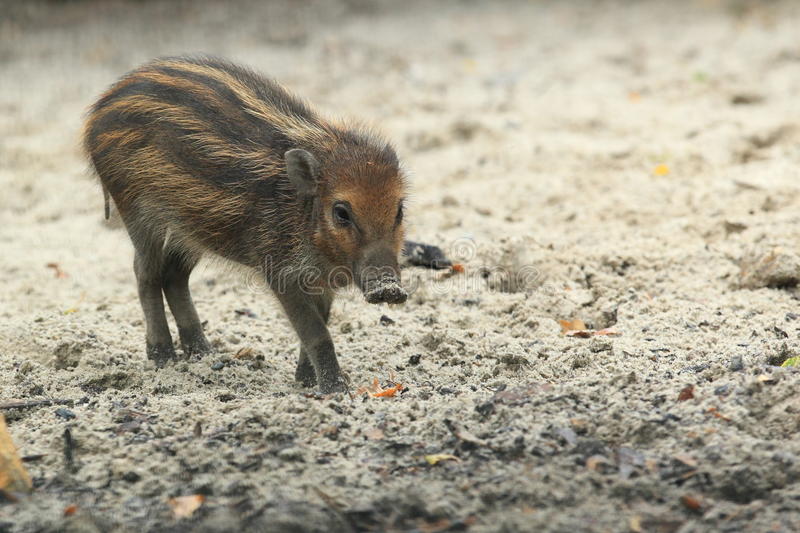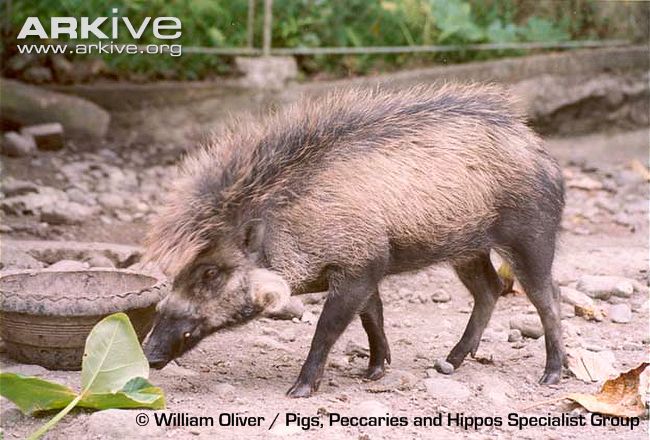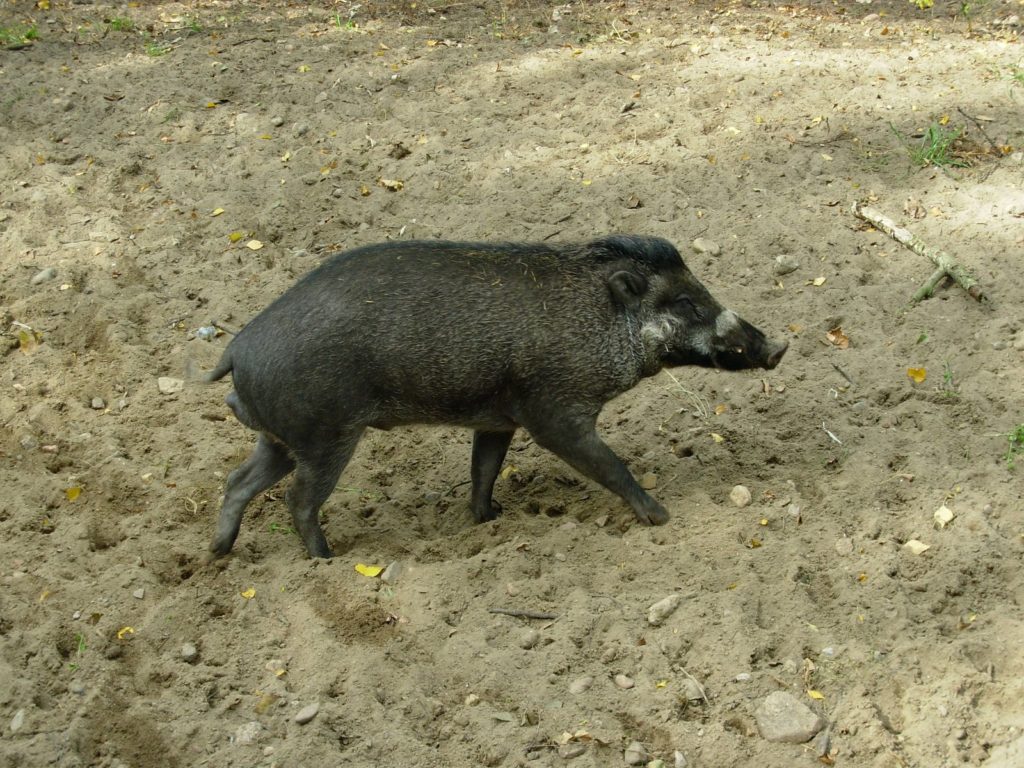

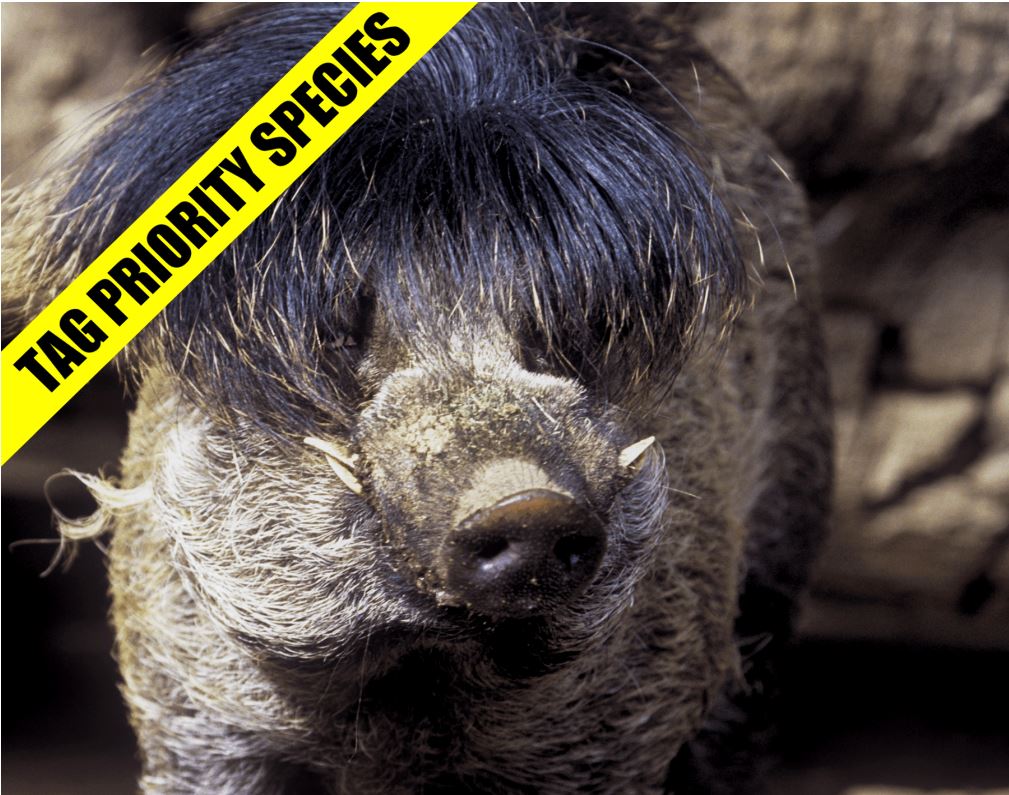
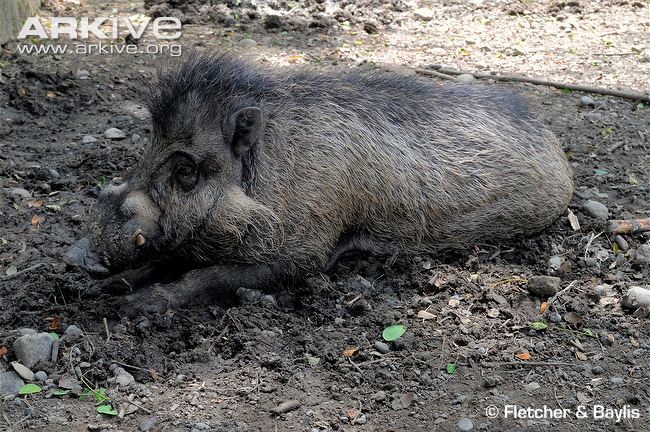
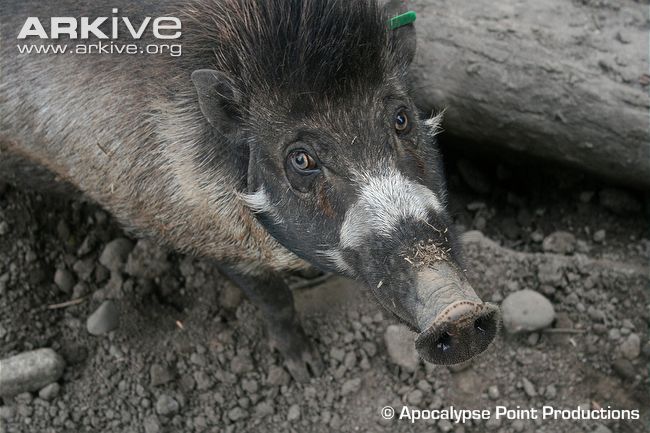
Visayan Warty Pig Wild Swine with a WILD Look

Why exhibit Visayan warty pigs?

  •  Help save this species now! The express purpose of this captive breeding program is to act as a genetic insurance policy: hybridization with feral pigs is a major threat to wild populations.
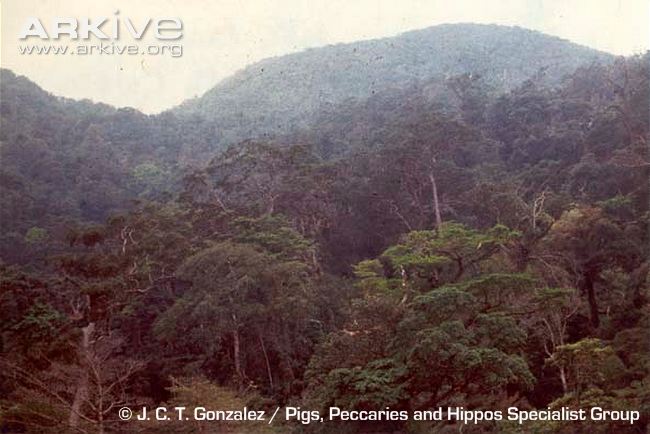
  • Present a spokes-species for island endemism, and tell the stories of habitat loss, human impacts on islands, and the bush meat trade. The Visayan warty pig is listed as #104 on the list of the most evolutionary distinct, globally endangered (EDGE) mammals.
  • Create an instant hit with your visitors! This species needs no help endearing itself, from the striped piglets to the “punk rocker” males with a mohawk mane of hair.
  • Challenge the public perception that pigs are heavy and awkward by providing this species with climbing opportunities — and create an exciting exhibit at the same time.
You must be logged in to view this content. Free Virtual Library Registration Here
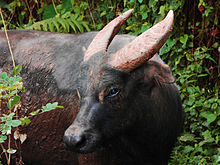
Tamaraw Habitat Assessment an Exploration of Inner Mindoro Island

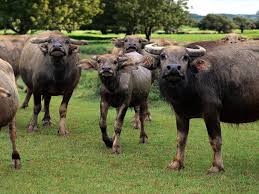
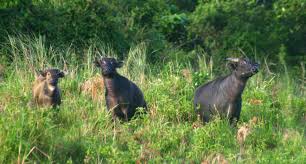
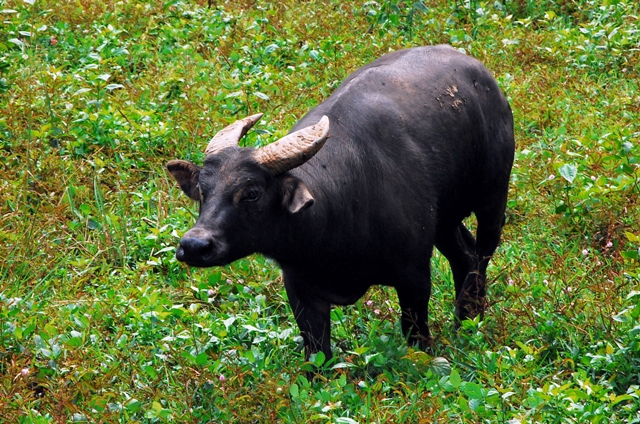
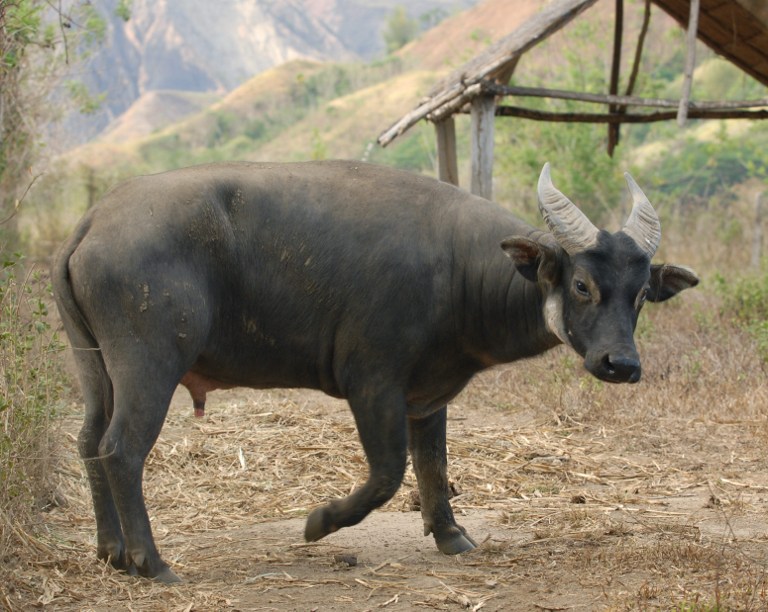
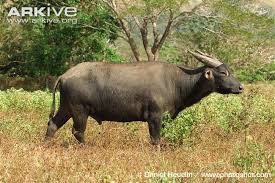
The Tamaraw, Bubalus mindorensis, is listed as ‘Critically Endangered’ on the IUCN Red List of Threatened SpeciesTM. It is the largest mammal endemic to the Philippines and can only be
found on the island of Mindoro.

The main current threat to the Tamaraw is habitat loss due to farming by resettled and local people. Historically, this species was hunted for both subsistence and sport, which led to a
period of drastic decline in numbers of individuals and populations. The introduction of cattle in the past also caused a rinderpest epidemic that contributed to a further decline in numbers.
The Tamaraw population has now stabilized and has even shown signs of recovery due to the total ban on sport hunting, closure of nearby ranches, and more intensive patrolling and
awareness activities.

The Tamaraw is listed on CITES Appendix I and also receives total protection under Philippine law. A captive breeding programme for this species proved unsuccessful, and so conservation
efforts are now focused on protecting the wild population of this charismatic Philippine mammal.[/vc_column_text]

You must be logged in to view this content. Free Virtual Library Registration Here
 

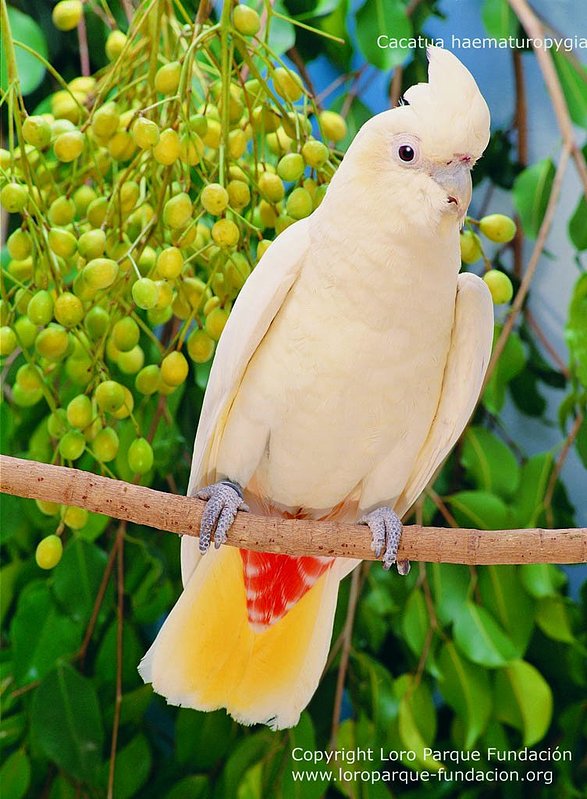
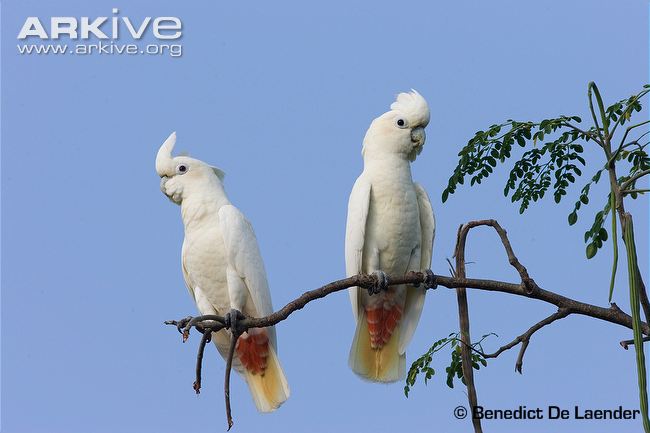
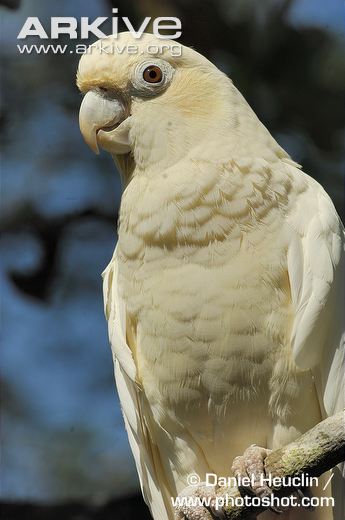
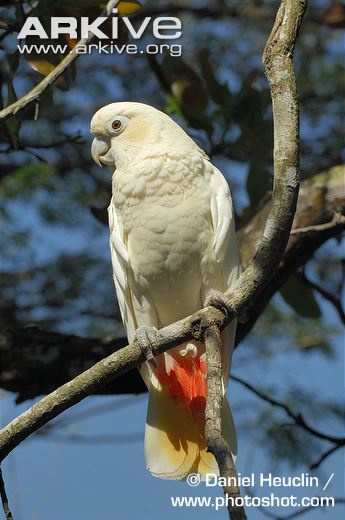
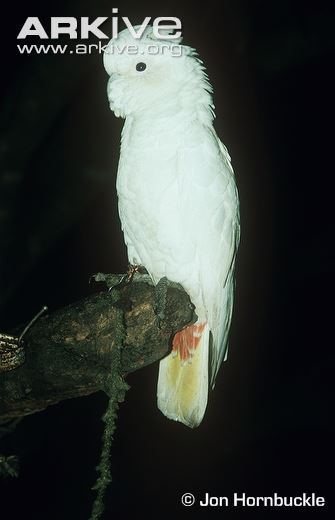
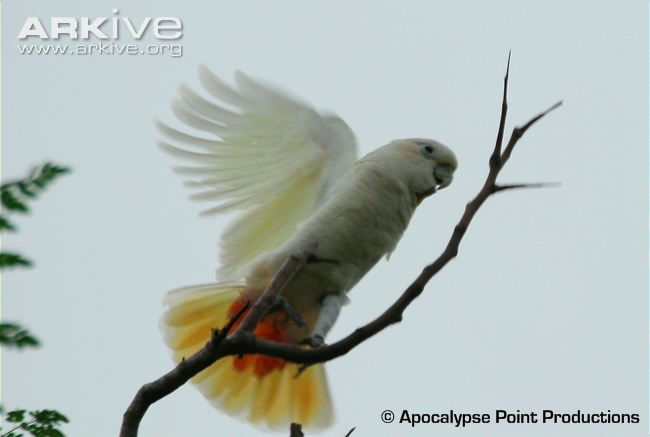
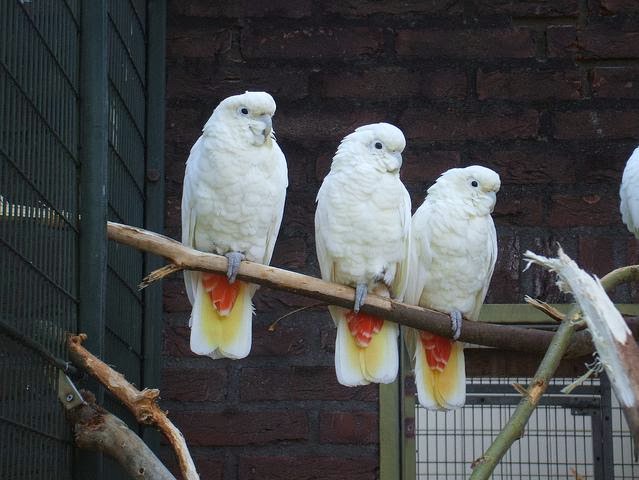
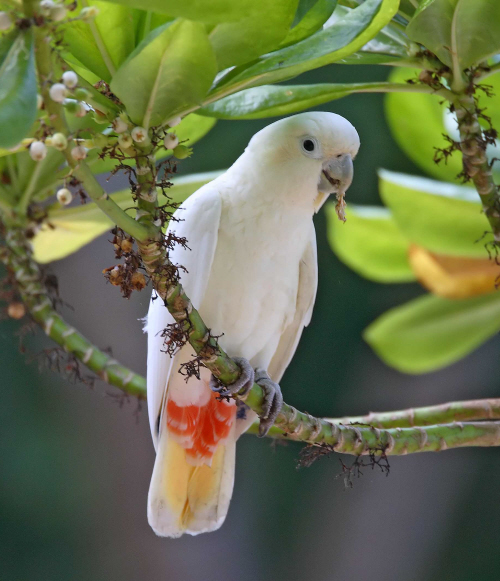
Philippine Cockatoo (Cacatua Haematuropygia)

Cacatoès des Philippines. Previously widespread in the Philippine islands, this cockatoo now numbers perhaps less than 1,000 and is reduced to only a few places. Its stronghold being the island of Palawan where the LPF supports the conservation programme run by the Katala Foundation. The supporter partnership includes Chester Zoo, CEPA and ZGAP.

This beautiful, white cockatoo is found only in the Philippines. Covered in white plumage, but with bright red and yellow undertail, this stunning bird is highly sought after in the pet trade. Its unusual ability to mimic the human voice makes this species even more desirable. Poaching, selling and buying of cockatoos have been one of the primary causes for the decline in numbers.

Mangroves and primary forests are vital habitat for feeding and breeding. These forests are being cleared for cultivation, urban development or mining. With numbers estimated at between 370 to 770 adults, the Philippine Cockatoo is classified as critically endangered.

The Katala Foundation has been working hard to conserve the species, however they need more support and engagement from local people to prevent the extinction of this unique bird.

You must be logged in to view this content. Free Virtual Library Registration Here